
Donald Harvey (American hospital serial killer)
Donald Harvey (1952–2017) was an American hospital orderly who confessed to dozens of patient murders. He pleaded guilty to multiple counts, served life sentences, and died in prison after an inmate attack.
Overview
Donald Harvey (born April 15, 1952 — died March 30, 2017) was an American hospital orderly who became one of the best-known so‑called "angels of death." Over several years he confessed to killing many patients in hospitals and nursing homes; he later pleaded guilty to numerous murders and received multiple life sentences. He is often cited in discussions of medical serial killers because of the number of victims he claimed and the setting in which his crimes occurred. For a general summary of reporting and primary documents, see case summaries and timelines.
Image gallery
1 Image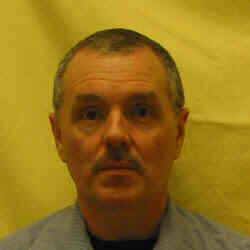
Methods and victims
Harvey told investigators that his earliest killings were motivated by a desire to end suffering, but he later admitted he derived satisfaction from the power to decide who lived or died and described himself as an "angel of death." Published accounts and police investigations attribute to him a wide range of methods used to kill or hasten the deaths of patients. These methods, as reported in news and court records, included:
- Administering overdoses or injecting drugs;
- Tampering with medical equipment or intravenous lines;
- Withdrawing life support or oxygen and smothering victims;
- Deliberately altering medication or patient charts.
He claimed a high total of victims; his own statements put the number much higher than official estimates. Investigators have cited a widely quoted range for the victims he was implicated in, and reporting varies between different sources. For an overview of victim counts in public records, see investigative reports.
Arrest, plea and imprisonment
Harvey was arrested after hospital staff and police became suspicious of a pattern of unexplained deaths. To avoid prosecution that could have led to capital punishment, he entered guilty pleas on many counts of murder and related charges and was sentenced to multiple life terms. He was assigned inmate number A199449 and was incarcerated at the Toledo Correctional Institution in Ohio. Various legal filings and press coverage document the plea negotiations and sentencing; consult legal summaries for more detail.
Death and aftermath
In late March 2017 Harvey was found badly beaten in his cell and was taken to a hospital, where he died two days later. Authorities reported that the injuries were the result of an assault by another inmate; some news accounts identified a fellow prisoner as the suspected assailant. Reporting around his death prompted renewed discussion about inmate violence, prison safety, and the legacy of crimes committed within medical facilities. Relevant news articles and official statements are accessible at news archives.
Legacy and notable facts
Harvey's case is frequently referenced in studies of medical homicide and institutional accountability. It raised questions about supervision, recordkeeping, and how multiple deaths went undetected for years in clinical settings. His story has been the subject of documentaries, true‑crime accounts, and analyses of how hospitals investigate unusual mortality patterns. For research and analysis on systemic lessons, see scholarly and policy discussions.
Because disparate sources report different totals for victims and differing details of individual incidents, readers should treat exact numbers and some specific claims with caution and consult primary records and court documents for verification. The Campbell of facts about Donald Harvey illustrates both the challenges of investigating deaths in care settings and the ongoing need for oversight and transparent reporting in medical institutions.
Related articles
Author
AlegsaOnline.com Donald Harvey (American hospital serial killer) Leandro Alegsa
URL: https://en.alegsaonline.com/art/117797
Sources
- foxnews.com : "'Angel of Death' serial killer Donald Harvey dies after prison attack"
- drc.state.oh.us : Offender Search Detail – Donald Harvey
- cbsnews.com : "Donald Harvey, "Angel of Death" serial killer, dead at 64"