
Donald McKayle: American modern dancer and socially conscious choreographer
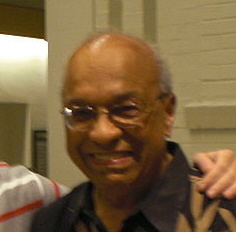
Donald McKayle (1930–2018) was an influential American modern dancer, choreographer, teacher and writer, noted for concert works in the 1950s–60s that addressed social themes and expanded representation in dance.
Overview
Donald McKayle (July 6, 1930 – April 6, 2018) was an American modern dancer, choreographer, teacher, director and writer. He became known for concert dance pieces in the 1950s and 1960s that confronted social issues such as racial inequality, poverty and urban life, bringing narrative and political urgency into modern dance.
Image gallery
4 Images


Artistic style and themes
McKayle's work blended modern techniques with vernacular movement—elements drawn from jazz, social dance, and African diasporic traditions. His pieces often combined ensemble patterns, dramatic solos and pedestrian gestures to evoke community, struggle and resilience. He favored theatrical clarity and emotional directness over abstraction.
Notable works and forms
- Early solo and ensemble concert pieces that depicted daily life and the experiences of Black Americans.
- Stage works that crossed into musical theatre and television, extending modern dance vocabulary to broader audiences.
- Choreographies that used rhythm, repeated motifs and clear narrative arcs to communicate social commentary.
Examples often cited by historians include character-driven dances that staged neighborhood scenes and childhood play as a way to expose social conditions and human dignity. These works helped open concert stages to stories previously underrepresented.
Career, teaching and influence
Beyond creating dances, McKayle taught and mentored generations of performers and choreographers, bringing socially engaged aesthetics into academic and professional settings. His pedagogical work helped institutionalize contributions by Black artists within modern dance curricula and influenced later companies and choreographers who addressed political content.
Legacy and significance
McKayle is remembered for widening the thematic scope of American modern dance and for making performance a forum for social reflection. His career bridged concert dance, theatre and media, and his combination of craft, narrative and advocacy left a lasting mark on 20th-century choreography.
Related articles
Author
AlegsaOnline.com Donald McKayle: American modern dancer and socially conscious choreographer Leandro Alegsa
URL: https://en.alegsaonline.com/art/117800
Sources
- twitter.com : "SDSCPA on Twitter"
- nydailynews.com : Pioneering black choreographer, director Donald McKayle dies