
Emilio Aguinaldo: Filipino revolutionary leader and first president
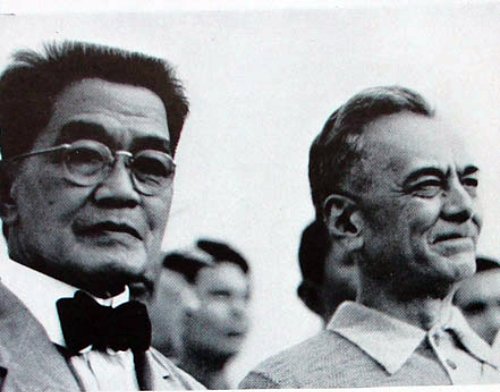
Emilio Aguinaldo (1869–1964) was a Filipino revolutionary leader who played central roles in the struggle against Spain and in the short-lived First Philippine Republic. His life shaped modern Philippine nationhood.
Overview
Emilio Aguinaldo y Famy (March 22, 1869 – February 6, 1964) was a Filipino military and political leader during the late 19th and early 20th centuries. He became one of the most prominent figures of the Philippine Revolution against Spanish colonial rule and later headed the revolutionary government that declared independence in 1898. His career encompassed military command, political administration, exile, capture, and decades of public life.
Image gallery
10 Images




Early life and rise to leadership
Aguinaldo was born in Cavite province and rose to local prominence as a municipal leader. He joined the anti-colonial movement that coalesced around the secret society known as the Katipunan, and he emerged as a leading commander in the Cavite area during the revolution against Spain. In 1897 he was chosen to lead a revolutionary government at a convention aimed at unifying rival factions; that period marked his formal entry into national leadership and is often cited as the start of his presidency in revolutionary sources. After setbacks and negotiated truces with Spanish authorities, he and other leaders went into temporary exile.
Leadership, proclamation of independence, and the First Philippine Republic
In 1898 Aguinaldo returned to the Philippines amid the Spanish–American War. He presided over the proclamation of Philippine independence on June 12, 1898, in Cavite, an act that became a foundational symbol of Filipino nationhood. He headed the revolutionary government that followed and convened a congress that promulgated a constitution for the First Philippine Republic (often called the Malolos Republic). The republic attempted to exercise sovereignty, but it faced immediate diplomatic and military pressures.
Conflict with the United States and capture
After Spain ceded the Philippines to the United States in 1898, tensions escalated into armed conflict between Filipino forces and American troops. The Philippine–American War unfolded in 1899, during which the First Republic resisted U.S. occupation. In 1901 Aguinaldo was captured by American forces; following his capture he issued communications that led to the formal end of organized resistance in some areas and he later swore allegiance to the United States. These events effectively ended his role as head of an independent government, though debates about legality and recognition have continued among historians and political commentators.
Later life, public roles, and legacy
Aguinaldo lived for many decades after the revolution and remained an active public figure. He participated in civic life, offered commentary on national affairs, and was formally recognized in various ways by later Philippine governments. He died in 1964 at an advanced age. His legacy is complex: he is celebrated for proclaiming independence and organizing early republican institutions, yet his tenure is also examined through controversies such as factional rivalries within the revolutionary movement and the circumstances surrounding the fate of other leaders.
Key events and distinctions
- Born in Cavite, March 22, 1869.
- Rose from local leadership to command in the revolution and led a revolutionary government after 1897; see accounts of the 1897 convention (Tejeros Convention).
- Proclaimed Philippine independence June 12, 1898; this date remains a central national symbol (independence declaration).
- Headed the First Philippine Republic (Malolos); resisted U.S. occupation and was captured in 1901 (capture and aftermath).
For further reading on the Philippine Revolution, Aguinaldo's administration, and the international context of the period, consult comprehensive histories and primary-source collections that examine both the achievements and the contested aspects of his career.
Related articles
Author
AlegsaOnline.com Emilio Aguinaldo: Filipino revolutionary leader and first president Leandro Alegsa
URL: https://en.alegsaonline.com/art/31163