
Dickie Moore (American child actor)
John Richard "Dickie" Moore Jr. (1925–2015) was a prominent American child actor of early Hollywood, noted for film roles from the late silent era into the 1930s and 1940s and for his life-long association with classic cinema.
John Richard "Dickie" Moore Jr. (September 12, 1925 – September 10, 2015) was an American child actor who became well known in Hollywood during the transition from silent films to sound pictures. Born in Los Angeles, California, he appeared in numerous feature films as a youngster and is frequently cited in discussions of early-20th-century child performers. Among the titles with which he is often associated are Oliver Twist, Blonde Venus, and Miss Annie Rooney. For basic biographical information see biographical sources.
Image gallery
4 Images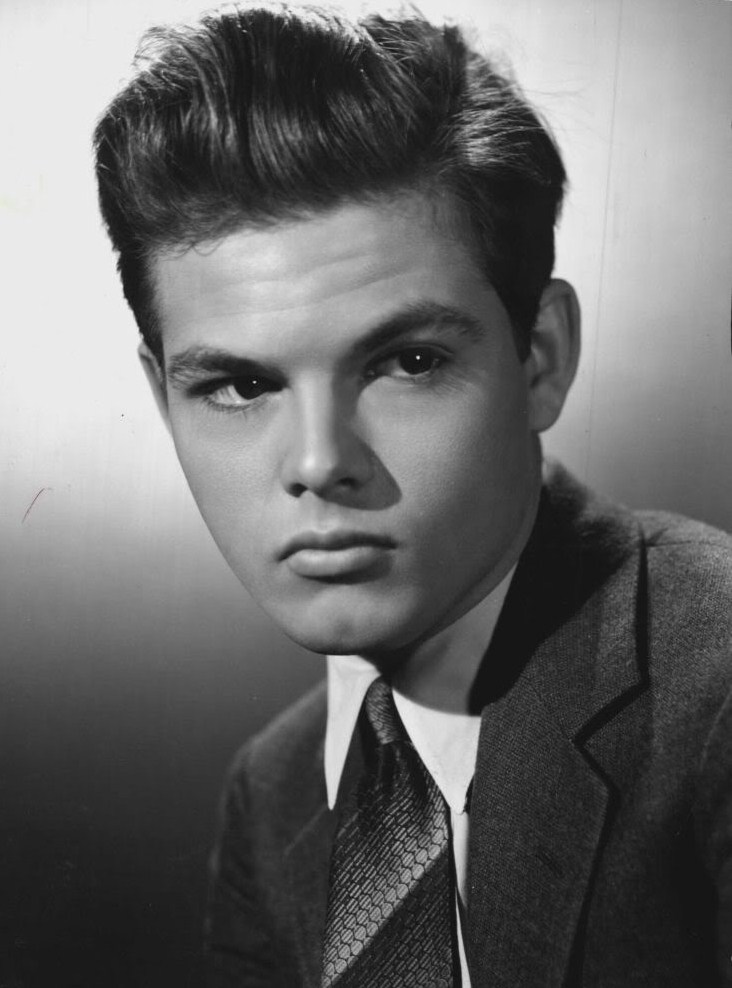


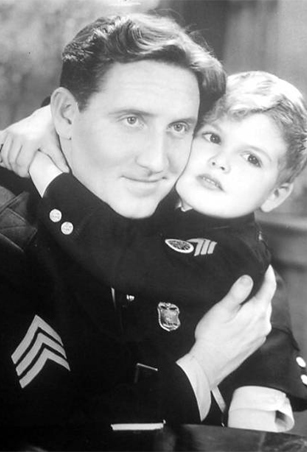
Early career and screen work
Moore began working in the film industry at a very young age and developed a steady screen presence through the 1930s. He worked within the studio system that dominated Hollywood at the time, taking roles in both dramatic and family-oriented pictures. His screen persona ranged from precocious youngsters to more sentimental child characters, reflecting popular casting trends for children in that era.
Notable films and roles
While contemporary publicity highlighted particular films, Moore's filmography spans a broad range of productions. Selected titles often mentioned in overviews of his career include:
- Oliver Twist — a film adaptation of the Dickens story in which he appeared as part of the youthful cast (film reference).
- Blonde Venus — a dramatic picture from the early sound era that featured prominent adult stars alongside younger supporting players.
- Miss Annie Rooney — a later youth-oriented picture in which he had a supporting part.
Context and significance
Moore's career illustrates several broader features of early Hollywood: the prominence of child actors in family entertainment, the ability of some youngsters to sustain steady employment across multiple years, and the routes available within the studio contract system. As with many child performers, his name remains most familiar to film historians and fans of classic cinema rather than to general audiences today.
Later life and legacy
After stepping away from regular acting as he reached adulthood, Moore's life outside the screen included occasional public appearances and interviews about his time in Hollywood. He died on September 10, 2015, two days before what would have been his ninetieth birthday. For details on his origins and the city of his birth see Los Angeles references and regional resources (California archives).
Moore remains a figure of interest to those studying child performance, Hollywood chronology, and the way early film industries shaped and remembered youthful actors. His career is frequently cited in retrospective accounts and remains part of the larger story of American cinema between the 1920s and 1940s.
Related articles
Author
AlegsaOnline.com Dickie Moore (American child actor) Leandro Alegsa
URL: https://en.alegsaonline.com/art/117628
Sources
- articles.mcall.com : "Jane Powell Finally Has Learned How To Get Off The Treadmill"
- deadline.com : "Dick Moore Dead: Former Child Star Was 89"