
Desmond Tutu: South African cleric, anti-apartheid leader, and human-rights advocate
Overview of Archbishop Desmond Tutu (1931–2021): his life, leadership against apartheid, role in the Truth and Reconciliation Commission, major themes of his work, and his lasting influence.
Overview
Desmond Tutu (7 October 1931 – 26 December 2021) was a South African Anglican cleric and prominent campaigner for human rights. Widely recognised for his moral leadership during the struggle against apartheid, he received international honours for promoting nonviolent resistance, racial justice and reconciliation. His public voice combined pastoral ministry, political engagement and a consistent emphasis on human dignity.
Image gallery
10 Images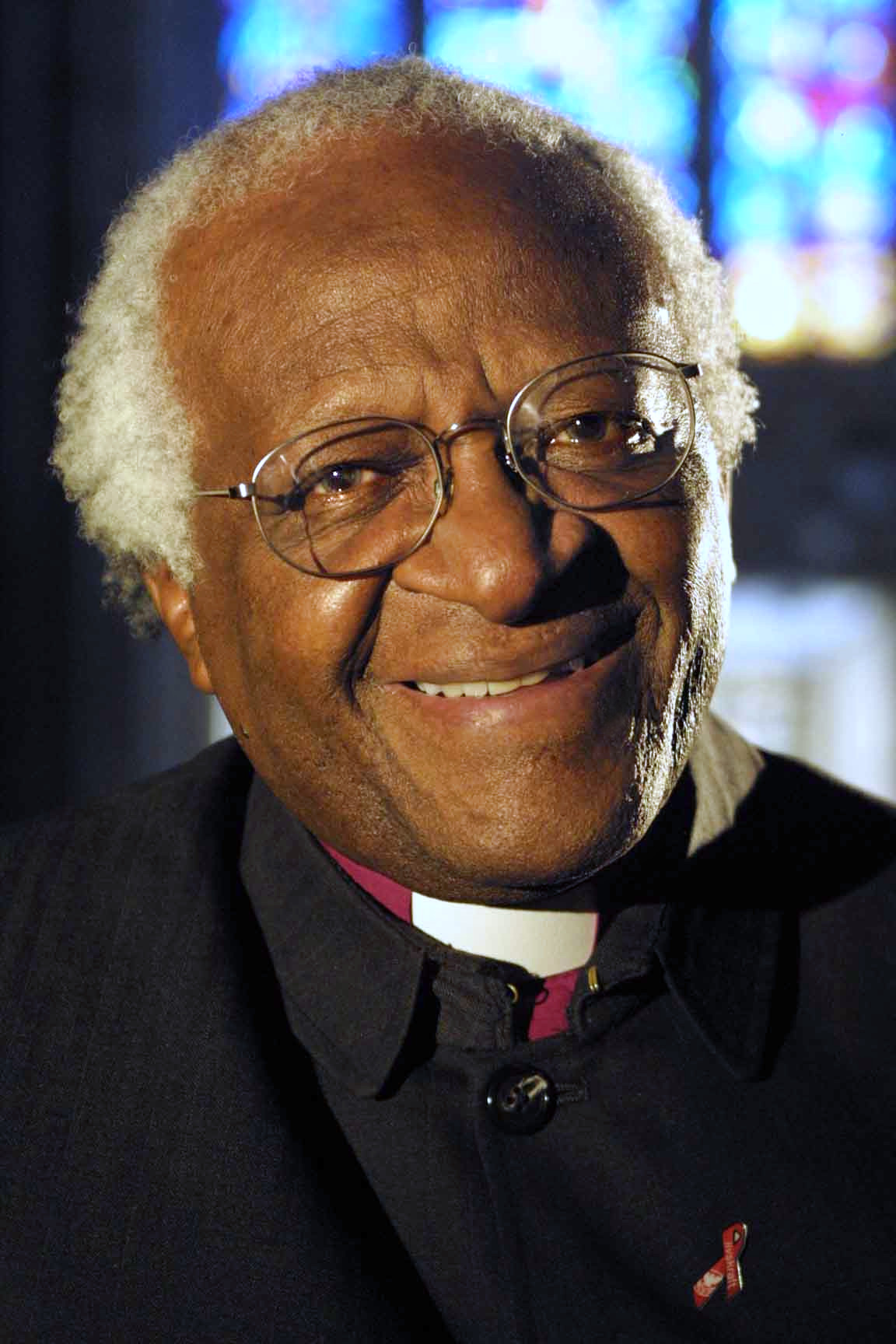


Life and ministry
Tutu trained and served as an Anglican priest and rose to senior positions within the Church. As a church leader he used pulpit and platform to denounce racial segregation and discrimination, insisting that Christian faith required opposition to injustice. In the 1980s he became the first black Anglican archbishop to lead the church in South Africa's major ecclesiastical centre, and his profile made him a leading moral authority both nationally and abroad. For background on the context in which he worked see apartheid and South Africa.
Role in ending apartheid and the Nobel Prize
Tutu emerged as an articulate critic of the apartheid system, advocating economic and diplomatic pressure on the regime while stressing nonviolent methods. He brought international attention to the plight of black South Africans and helped build solidarity networks with churches, trade unions and civic organisations. In recognition of his efforts to achieve a just and peaceful resolution, he was awarded the Nobel Peace Prize in the mid-1980s.
Truth, reconciliation and restorative justice
After apartheid formally ended, Tutu chaired the national Truth and Reconciliation Commission, an official body established to investigate human-rights violations and to encourage victims and perpetrators to speak openly. The commission favoured restorative approaches—truth telling, symbolic reparations and amnesty in return for full disclosure—over simple retribution. Tutu emphasised forgiveness and healing as foundations for a stable democratic society, while acknowledging the deep wounds that had to be addressed.
Themes, causes and controversies
Tutu's public work extended beyond racial justice. He spoke up on poverty, HIV/AIDS, economic inequality and the rights of marginalized groups, and he was an outspoken supporter of LGBT equality later in his life. His forthright opinions sometimes provoked debate: some critics argued that restorative justice did not deliver sufficient punishment, while others disagreed with his positions on international conflicts. Nonetheless, his rhetorical style—marked by moral clarity, warmth and often pointed humour—made his critiques widely heard.
Legacy and recognition
Tutu is remembered as a moral conscience of the late twentieth century and a tireless advocate for human dignity. He received numerous honours and awards and remained a sought-after speaker and commentator on justice and reconciliation until his death. Institutions and educational programmes continue to cite his writings and speeches as resources for ethical leadership. For further reading on the Anglican communion and Tutu's church role see the Anglican Church and for more on his regional ties see Cape Town.
- Key ideas: human dignity, nonviolence, restorative justice.
- Major roles: church leader, anti-apartheid activist, chair of post‑apartheid reconciliation.
- Enduring impact: moral leadership and a global model for faith‑based advocacy.
Related articles
Author
AlegsaOnline.com Desmond Tutu: South African cleric, anti-apartheid leader, and human-rights advocate Leandro Alegsa
URL: https://en.alegsaonline.com/art/117584