
Anglicanism: history, beliefs, organization, and global presence
Anglicanism is a family of churches rooted in the Church of England, combining Catholic and Reformed elements in worship, episcopal polity and diverse theological traditions across the world.
Anglicanism is a broad Christian tradition sometimes described as a denomination but better understood as a family of churches and shared practices within Christianity. Its heritage is centred on the Church of England and on the global fellowship commonly called the Anglican Communion. The name derives from the Medieval Latin phrase ecclesia anglicana, meaning the English church, and has come to designate people, habits of worship, theological approaches and institutional forms that grew from the English Reformation era.
Image gallery
10 Images
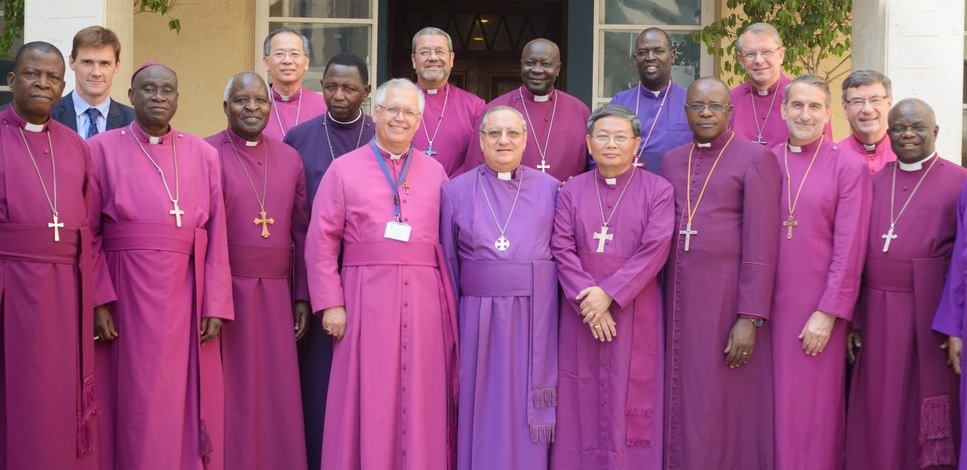
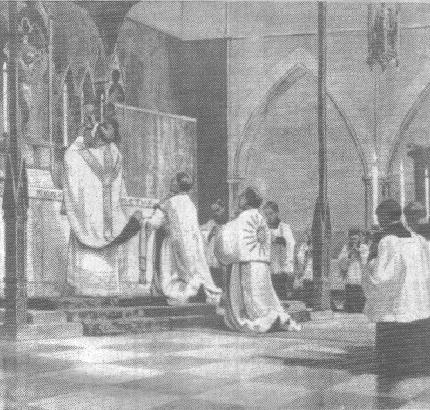


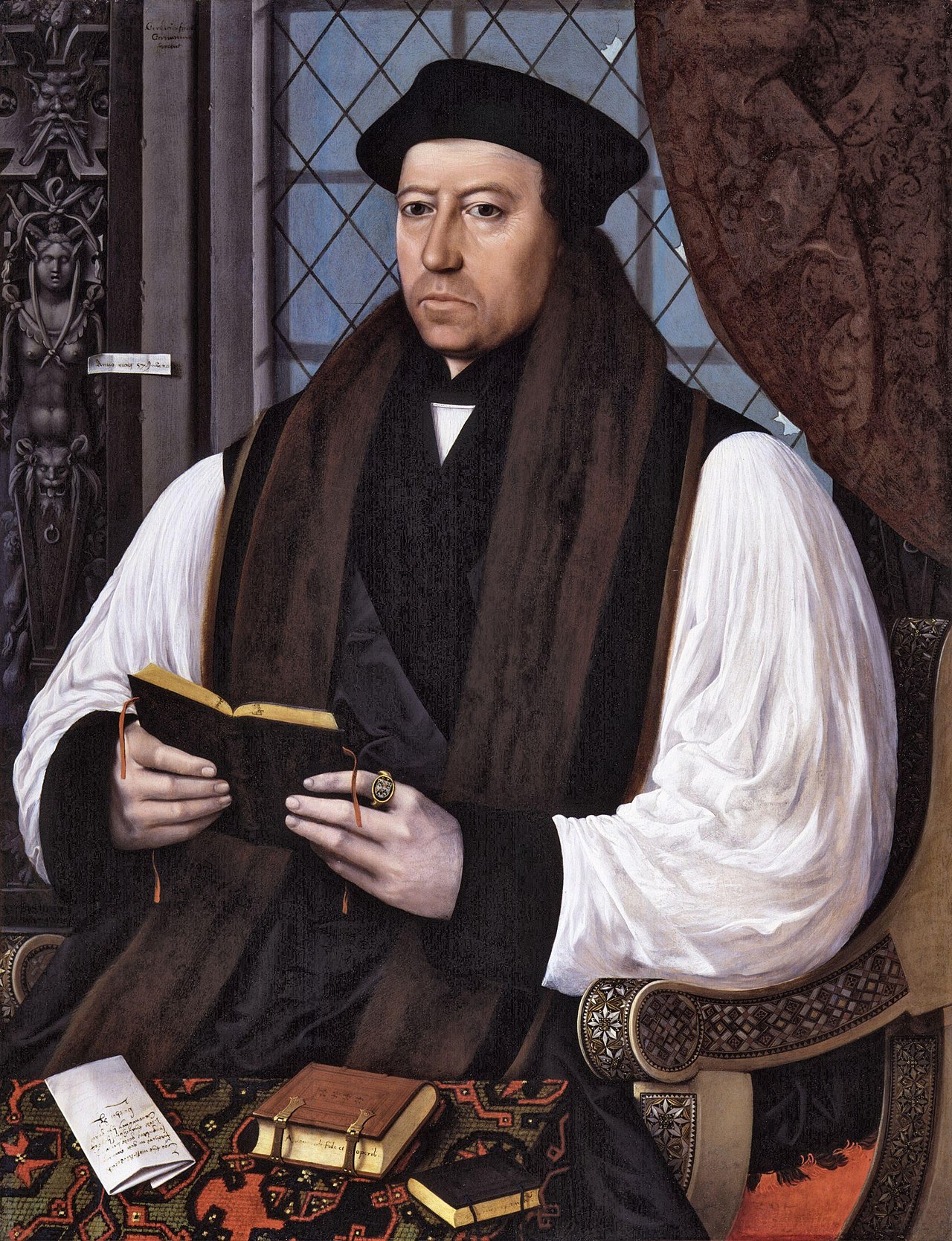

Origins and historical development
The immediate origins of Anglicanism lie in the sixteenth-century English Reformation. That reform was distinct in that the national church retained the historic orders of ministry while breaking institutional allegiance to the Pope. Over time, the Church of England kept bishops, priests and deacons as its ordained ministries while producing new liturgies and formularies. These developments were carried beyond England by migration, mission and the establishment of churches in other lands, creating a global network of churches that share common roots but exercise autonomy.
Doctrine, worship and identity
Anglican identity is the product of a negotiated balance of scripture, tradition and reason used together as resources for faith and practice. Worship is often shaped by common prayer books and seasonal calendars, with the Book of Common Prayer or its local equivalents providing liturgical continuity. Two sacraments—baptism and the Eucharist—receive central attention, while other rites and pastoral practices vary. Many Anglicans speak of a "middle way" or via media, seeing Anglicanism as positioned between some forms of Roman Catholicism and various streams of Protestantism, though the breadth of belief within Anglicanism resists simple labels.
Church order and governance
Anglican churches typically maintain an episcopal structure: ordained ministry normally includes bishops, priests and deacons. Provinces and national churches govern themselves through synods, assemblies and diocesan structures, and some national churches historically function as state established churches. The Anglican Communion is a fellowship of autonomous provinces, many of which recognize the symbolic primacy of the Archbishop of Canterbury in fostering bonds of communion and consultation.
Global diversity and contemporary challenges
Anglicanism today is global and theologically diverse. The pattern of worship, social teaching and ecclesial discipline can differ markedly from one province to another. Contemporary debates—about ordination and gender, human sexuality, the interpretation of scripture, and relations with other churches—have produced lively internal conversations and occasional tension between provinces. These debates illustrate the decentralized authority of the communion: provinces make many of their own decisions while remaining in varying degrees of fellowship with one another.
Ecumenical relations and cultural influence
Anglican churches participate in ecumenical dialogues with Roman Catholics, Orthodox communions and a range of Protestant churches. Anglican liturgy, pastoral practice and theological reflection have influenced wider Christian worship and the religious life of many countries, especially where Anglican institutions like schools, universities and charitable organisations were established. Readers interested in specific provincial practice should consult local official materials—for example, a national catechism, diocesan resources or a contemporary prayer book—to understand how belief and worship are lived in context.
Further reading and resources
For general overviews, introductory texts and official statements can help orient readers to Anglican history and practice. Many provinces publish guides to doctrine, liturgy and governance online; official prayer books and provincial constitutions are primary sources for local practice. See a provincial website or official archive for authoritative material, or follow introductory resources such as summaries offered by church bodies and academic introductions. For one archival reference or document, see 28141 as an example pointer to a preserved record.
- Core worship forms: common prayer books and the lectionary calendar.
- Ordained orders: bishops, priests, deacons.
- Major bodies: the Church of England and the wider Anglican Communion.
- Historical touchstone: the English Reformation and the notion of the ecclesia anglicana from Medieval Latin.
For links to official bodies, provincial resources and comparative material, consult the published websites and printed introductions of individual churches. Additional background and scholarly work can illuminate how Anglican traditions have adapted across cultures and epochs; search academic bibliographies and denominational archives for deeper study.
Questions and answers
Q: What is Anglicanism?
A: Anglicanism is a denomination within Christianity that includes the Church of England and other affiliated churches from many countries. It is sometimes seen as being the middle way between Roman Catholicism and Protestantism.
Q: What led to the formation of the Anglican Church?
A: The event that led to the formation of the Anglican Church was the outright rejection of the Pope, which meant they also rejected the Catholic Church as an organisation.
Q: Where does the term "Anglican" come from?
A: The term "Anglican" comes from a Medieval Latin phrase dating to at least 1246, which means "the English Church".
Q: Who or what does "Anglican" refer to?
A: The term "Anglican" refers to people, institutions, churches, traditions and ideas developed by both the state established Church of England and its affiliated provinces in communion with Archbishop of Canterbury.
Q: How did Anglicanism keep some aspects of Catholicism?
A: In forming their own church during English Reformation, Anglicans kept early Catholic ministry such as bishops, priests, deacons, doctrine and liturgy.
Q: Is it considered Protestantism?
A: Not always; it's sometimes seen as being a middle way between Roman Catholicism and Protestantism.
Related articles
Author
AlegsaOnline.com Anglicanism: history, beliefs, organization, and global presence Leandro Alegsa
URL: https://en.alegsaonline.com/art/4186