
Denis Sassou Nguesso
Long-serving Congolese political and military leader, president 1979–1992 and since 1997. Prominent figure in Republic of the Congo politics, associated with the Congolese Labour Party, oil-era governance, and controversies.
Overview
Denis Sassou Nguesso (born 23 November 1943) is a long-standing political leader of the Republic of the Congo. A former army officer who rose to senior rank, he has served as head of state in two periods: from 1979 to 1992 and again from 1997 to the present. He is best known as the most influential figure in Congolese politics for several decades, leading the ruling Congolese Labour Party (Parti Congolais du Travail) and presiding over a country whose economy is heavily shaped by oil revenues.
Image gallery
8 Images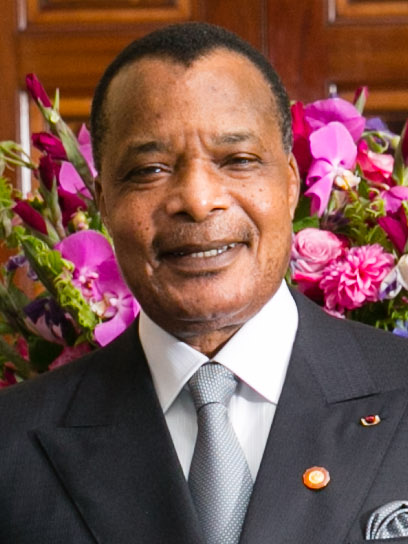


Early life and military career
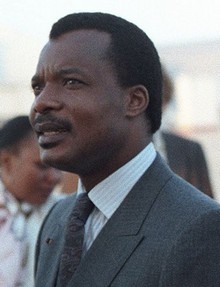
Sassou Nguesso trained and served in the country's armed forces during its post-independence era, advancing into senior military and security positions. His military background provided both the organizational base and the political networks that would later support his entry into national leadership. Over time he developed close ties with the ruling party and state institutions, which were central to his return to executive power after periods of political change.
Political career and presidency
He first reached the presidency in 1979 during a period when the country was organized as a single-party socialist state. In the early 1990s, as multiparty politics expanded across Africa, the Republic of the Congo moved to competitive elections and Sassou Nguesso left office after the 1992 transition. He returned to power in 1997 following a civil conflict and has remained president since then. His leadership has been marked by efforts to consolidate control through party structures, constitutional reforms, and the management of patronage networks. The office he holds is commonly referred to in sources and discussions by the title President.
Domestic policy, economy and governance
The country's economy is dominated by oil production, which has shaped policy priorities and public finances under Sassou Nguesso’s government. His administrations have overseen infrastructure projects and public spending tied to oil income, while critics argue that wealth distribution and transparency have been inadequate. Political observers note a concentration of power in the presidency and limited space for opposition and independent media, factors that have influenced how governance and reforms proceed.
Controversies and international scrutiny
Sassou Nguesso’s long tenure has attracted repeated international attention and criticism. Human rights organizations and opposition figures have raised concerns about restrictions on political freedoms and the fairness of elections. In 2021 his name appeared in the media coverage of the "Pandora Papers," which reported on offshore companies and assets linked to numerous global figures; according to published reports, a company was registered in a tax haven soon after his return to power, a claim he has publicly denied. Members of his family have also been prominent in business circles and subject to scrutiny over perceived links between state contracts and private gain.
Legacy and significance
Denis Sassou Nguesso remains a defining personality in the contemporary history of the Republic of the Congo. Supporters credit him with providing stability and continuity in a region often affected by conflict, while critics emphasize democratic deficits and governance problems. His long rule illustrates broader themes in post-colonial African politics: the interplay of military influence, natural resource wealth, institutional change, and international pressure for transparency and rights protection.
Key aspects
- Two periods as head of state: 1979–1992 and 1997–present.
- Leader of the Congolese Labour Party and a central figure in national politics.
- Governance shaped by oil revenues, with ongoing debates over corruption, accountability, and human rights.
Related articles
Author
AlegsaOnline.com Denis Sassou Nguesso Leandro Alegsa
URL: https://en.alegsaonline.com/art/117519
Sources
- lawgazette.co.uk : "Law reports"