
Deniz Baykal: Turkish politician and former CHP leader
Overview of Deniz Baykal, a long‑time Turkish politician, academic and former leader of the Republican People's Party (CHP); career highlights, offices held, and political significance.
Overview
Deniz Baykal (born 20 July 1938) is a Turkish politician and academic who became one of the most prominent figures in the modern history of the Republican People's Party. He pursued an early academic career before entering national politics in the 1970s. Over decades he served in multiple ministerial posts, led his party through periods of rebuilding, and held senior roles in the Grand National Assembly.
Image gallery
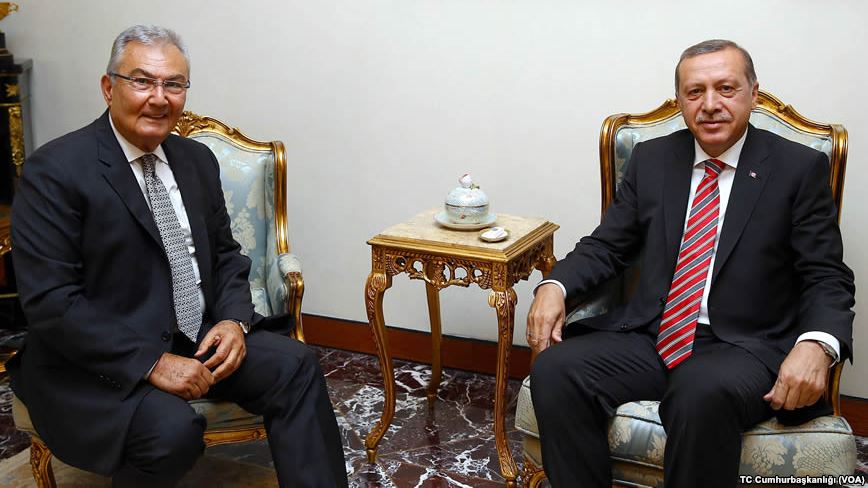
4 Images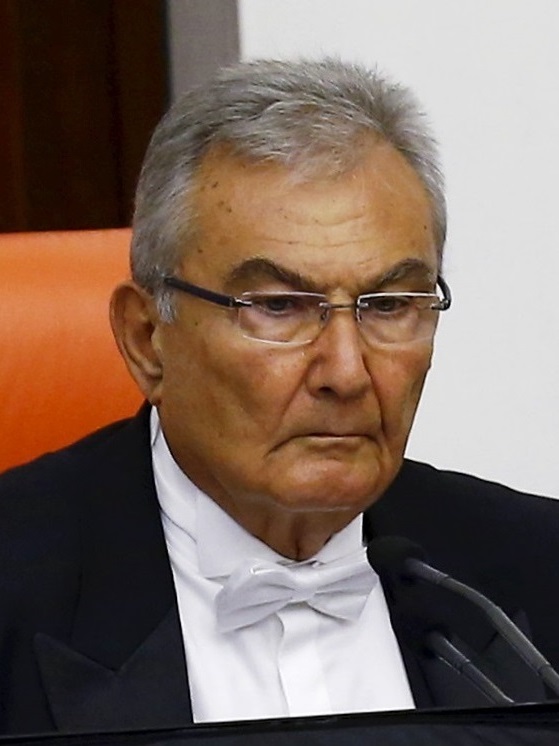


Early life and academic background
Baykal trained as a lawyer and worked in higher education prior to his full‑time political career. His early professional life combined teaching, legal practice and research, which helped him develop expertise in constitutional and administrative issues. He left academia when he first entered parliament in the 1970s to take up a national political role.
Political career and offices
Baykal was first elected to the Grand National Assembly in 1973 and subsequently returned to the legislature at later intervals. He represented the province of Antalya in parliament during the 2000s and beyond. Throughout his career he held a range of cabinet and party positions, including stints as Deputy Prime Minister and as minister responsible at different times for finance, energy and foreign affairs. These posts gave him a breadth of experience across economic and diplomatic policy areas.
Leadership of the Republican People's Party
Baykal is best known for his long association with the Republican People's Party, one of Turkey's oldest political parties. He served multiple terms as party leader and became a central figure in its efforts to reposition itself as the principal secular and social‑democratic alternative in Turkish politics. Under his leadership the CHP underwent organizational changes, electoral campaigns and internal debates about strategy and direction. He resigned from the party leadership on 10 May 2010.
Role in parliament and later activity
As a senior and experienced legislator Baykal often played procedural and symbolic roles within the assembly. At times he served as interim Speaker by virtue of his seniority as an outgoing or longest‑serving member until a permanent speaker was elected. He was frequently described in media and commentary as a seasoned parliamentarian whose judgment and institutional memory were influential in party and parliamentary deliberations. He has been identified with the Main Opposition in national politics and discussed in that capacity in public records and analyses (Main Opposition in Turkey).
Significance and legacy
Baykal's significance lies in his lengthy public service, his stewardship of a major political party through turbulent periods, and his contributions to parliamentary practice. Observers note his skills as an organizer, his role in policy debates, and his occasional involvement in internal party controversies, which reflected the broader tensions in Turkish political life. Whether assessed for his ministerial record, party leadership or parliamentary role, Baykal remains a major figure in late 20th‑ and early 21st‑century Turkish politics.
Selected positions and highlights
- Member of the Grand National Assembly — first elected 1973, later terms including representation of Antalya.
- Leader of the Republican People's Party (CHP) — served multiple terms; resigned 10 May 2010.
- Cabinet posts — held roles such as Deputy Prime Minister and ministerial portfolios in finance, energy and foreign affairs at various times.
- Interim Speaker of the Parliament — served in a temporary presiding capacity based on parliamentary seniority.
For a fuller account of Baykal's legislative proposals, electoral performance and detailed biography, consult specialized political histories or official parliamentary records accessible through the party and national assembly resources.
Related articles
Author
AlegsaOnline.com Deniz Baykal: Turkish politician and former CHP leader Leandro Alegsa
URL: https://en.alegsaonline.com/art/117525