
Denis Voronenkov: Russian ex-deputy who defected to Ukraine and was killed
Biography of Denis Voronenkov (1971–2017), former Russian State Duma deputy who moved to Ukraine, criticized Moscow, cooperated with Ukrainian authorities, and was fatally shot in Kyiv.
Overview
Денис Николаевич Вороненков (10 April 1971 – 23 March 2017) was a Russian politician best known for his tenure in the national legislature and for defecting to Ukraine, where he became an outspoken critic of the Kremlin. He served as a member of the State Duma from 2011 until 2016. After relocating to Kyiv with his wife, former opera singer and public figure Maria Maksakova Jr., Voronenkov publicly broke with his previous political allies and criticized President Vladimir Putin and aspects of Russian foreign policy.
Image gallery
3 Images
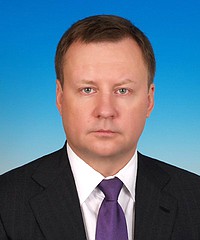

Political career and move to Ukraine
Voronenkov had a background in regional and federal politics and held a Duma seat during a period of significant political consolidation in Russia. In 2016 he left the Russian parliament and moved to Ukraine, citing concerns about political pressure and legal harassment in Russia. In Kyiv he reportedly cooperated with Ukrainian investigators and gave interviews describing decisions made in Moscow regarding Ukraine, which drew substantial media attention and official responses.
Assassination and investigations
On 23 March 2017 Voronenkov was shot dead in central Kyiv; he was 45 years old. Reports indicated he was hit by a gunshot to the head and later died from his wounds. The killing occurred in a public area and immediately generated competing narratives: Ukrainian authorities suggested the attack could have been orchestrated by Russian operatives, while Russian officials described it variously as a contract killing linked to business disputes or as part of an internal criminal matter. The assailant was also killed at the scene, according to police accounts, and investigative work proceeded amid international interest and political tension.
Key facts and timeline
- Born 10 April 1971; rose through regional political structures in Russia.
- Member of the State Duma (2011–2016) and active in federal politics.
- Relocated to Ukraine in 2016 and became a public critic of Moscow policies.
- Killed in Kyiv on 23 March 2017; circumstances remain the subject of differing official narratives and investigations (see reports).
Significance and legacy
The death of Denis Voronenkov highlighted the fraught atmosphere surrounding defectors, critics of government policy, and the larger geopolitical tensions between Russia and Ukraine. His shift from a Russian legislator to a vocal opponent in exile and his subsequent assassination made him a focal point in discussions about political violence, protection of witnesses, and the safety of émigré figures who take public stands on controversial state actions. Debate over motive and responsibility persisted in public discourse and official inquiries, and his case has been cited in broader analyses of the risks faced by political dissidents and the limits of cross-border accountability.
Further reading
The case of Voronenkov continues to be referenced in studies of post-Soviet politics and security. For contemporary reporting and official statements, consult sources linked in coverage and official investigative releases. For background on institutions and individuals mentioned above, see entries on the State Duma, Russian leadership (Vladimir Putin), and reporting archives (incident reports).
Related articles
Author
AlegsaOnline.com Denis Voronenkov: Russian ex-deputy who defected to Ukraine and was killed Leandro Alegsa
URL: https://en.alegsaonline.com/art/117524
Sources
- dw.com : "Former Russian lawmaker Denis Voronenkov shot dead in Ukrainian capital"