
Dean Smith: UNC Coach, Innovator, and Basketball Leader
Biography of Dean Smith, the long-serving University of North Carolina basketball coach: career, methods, achievements, notable players, and lasting influence on college basketball.
Overview
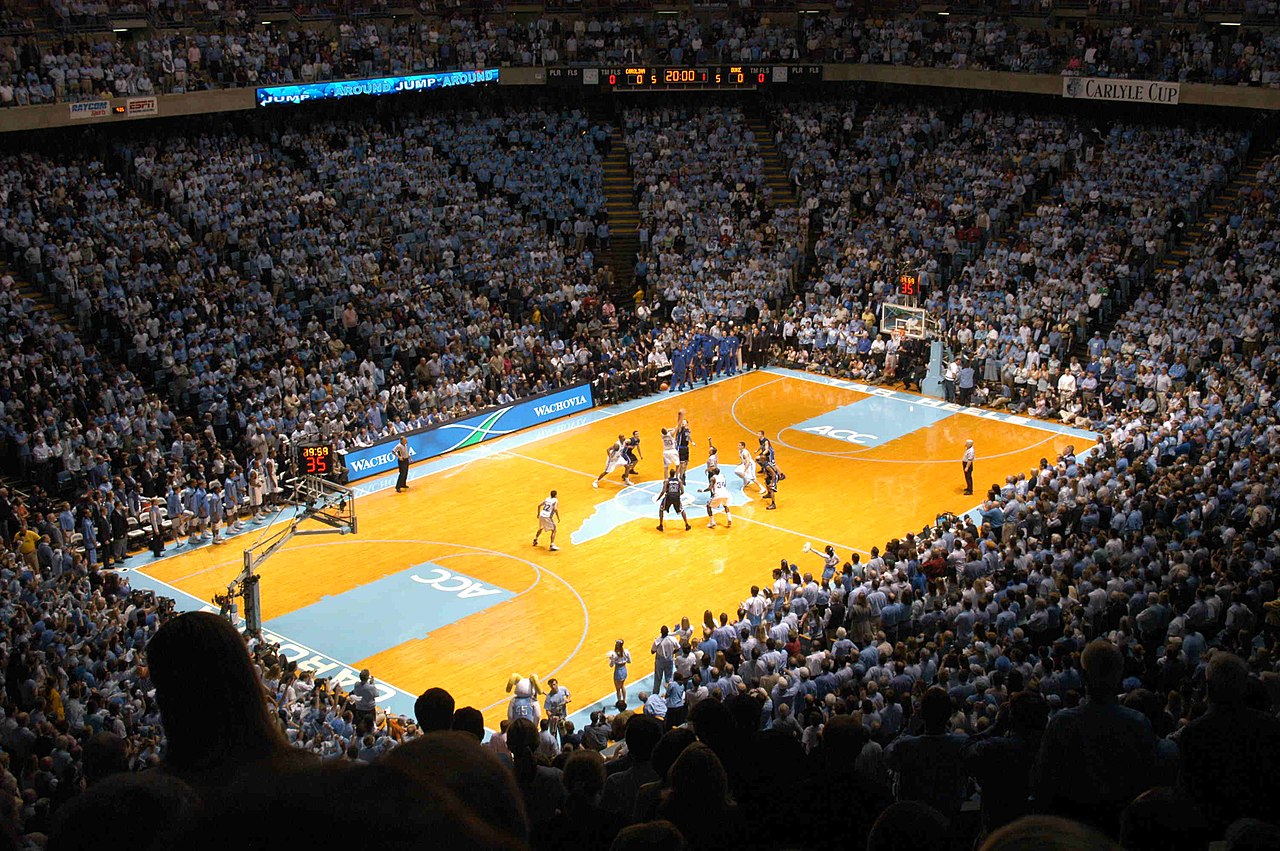
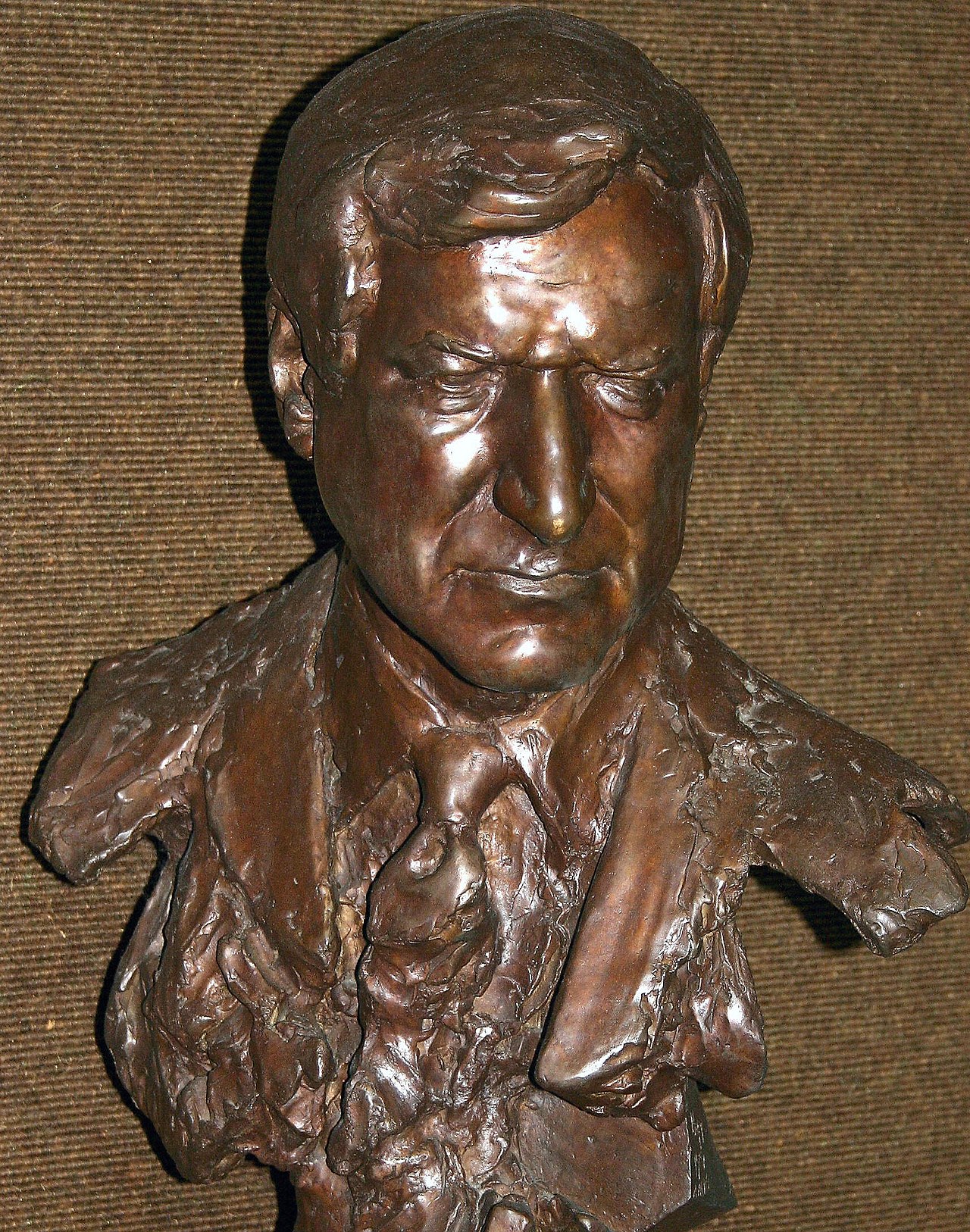
Dean Edwards Smith (February 28, 1931 – February 7, 2015) was an American college basketball coach best known for leading the men's program at the University of North Carolina. Born in Emporia, Kansas, Smith became one of the most respected figures in the sport, combining sustained success on the court with an emphasis on character, education and team play. During a 36-year tenure he compiled 879 victories and guided North Carolina to multiple Final Four appearances and two NCAA championships.
Image gallery
10 Images






Coaching philosophy and innovations
Smith was known for strategic innovations and habits that influenced modern basketball. He emphasized a team-first approach, disciplined fundamentals, and precise execution rather than relying on individual stars. Several of his practices became widely adopted by other coaches and programs:
- Four Corners offense: a patient, ball-control system used to manage the clock before the shot clock era.
- Pass-and-cut movement: spacing, ball reversal and back-door cuts that promoted unselfish scoring opportunities.
- Player development and academics: consistent focus on classroom performance and personal conduct as part of being a student-athlete.
Career highlights and achievements
Smith took over the North Carolina program in 1961 and remained head coach until 1997. At the time of his retirement his 879 wins were the most in NCAA Division I men's basketball history. His teams won two national championships and made numerous deep tournament runs, ranking among the most consistent programs of his era. The Basketball Hall of Fame and many peers recognized Smith as a coaching legend for both his record and his broader contributions to the game.
Notable players and influence
Over three decades Smith coached many players who reached the professional ranks or became prominent basketball figures. He is widely credited with mentoring future stars and helping them prepare for life after college. In addition to on-court instruction, Smith promoted rituals and traditions that reinforced teamwork and humility.
Legacy and later life
Beyond wins and championships, Smith's legacy rests on how he shaped the culture of college basketball: advocating for fairness, integrating teams at a time of social change, and nurturing young athletes academically and personally. After retiring in 1997, he remained a respected voice in the sport until his death in Chapel Hill in 2015. His career is frequently cited in histories of the game and in discussions about coaching excellence.
Further reading and recognition
For introductions to Smith's methods and career milestones see general histories of American college basketball and institutional records at the University of North Carolina. Additional context about the NCAA and collegiate competition is available through broader resources on the organization and the sport.
Related topics and resources: coaching biography, college basketball, NCAA, and local histories of Kansas and Emporia.
Related articles
Author
AlegsaOnline.com Dean Smith: UNC Coach, Innovator, and Basketball Leader Leandro Alegsa
URL: https://en.alegsaonline.com/art/117438
Sources
- ncaa.org : "NCAA stats"
- hoophall.com : "Dean Smith Biography"
- unc.edu : "Carolina's Dean Smith passes away at age 83"