
University of North Carolina at Chapel Hill
Public research university in Chapel Hill, North Carolina, founded in 1789; the flagship campus of the UNC system, known for broad academic programs, research, medicine, public health and athletics.
Overview
The University of North Carolina at Chapel Hill (commonly called UNC or UNC–Chapel Hill) is a public research university located in Chapel Hill, North Carolina. Chartered in 1789 and opening to students in the 1790s, it is widely recognized as one of the earliest public institutions of higher education in the United States. UNC serves as the flagship campus of the University of North Carolina system and combines a large liberal arts college with professional schools in medicine, law, public health, business and more. Its historical symbols and campus traditions are prominent elements of its identity; the school color known as "Carolina blue," the Old Well, and the ram mascot are well known beyond the region. For more information from the university itself, see the official site at UNC Chapel Hill.
Image gallery
10 Images




Campus, structure and academic offerings
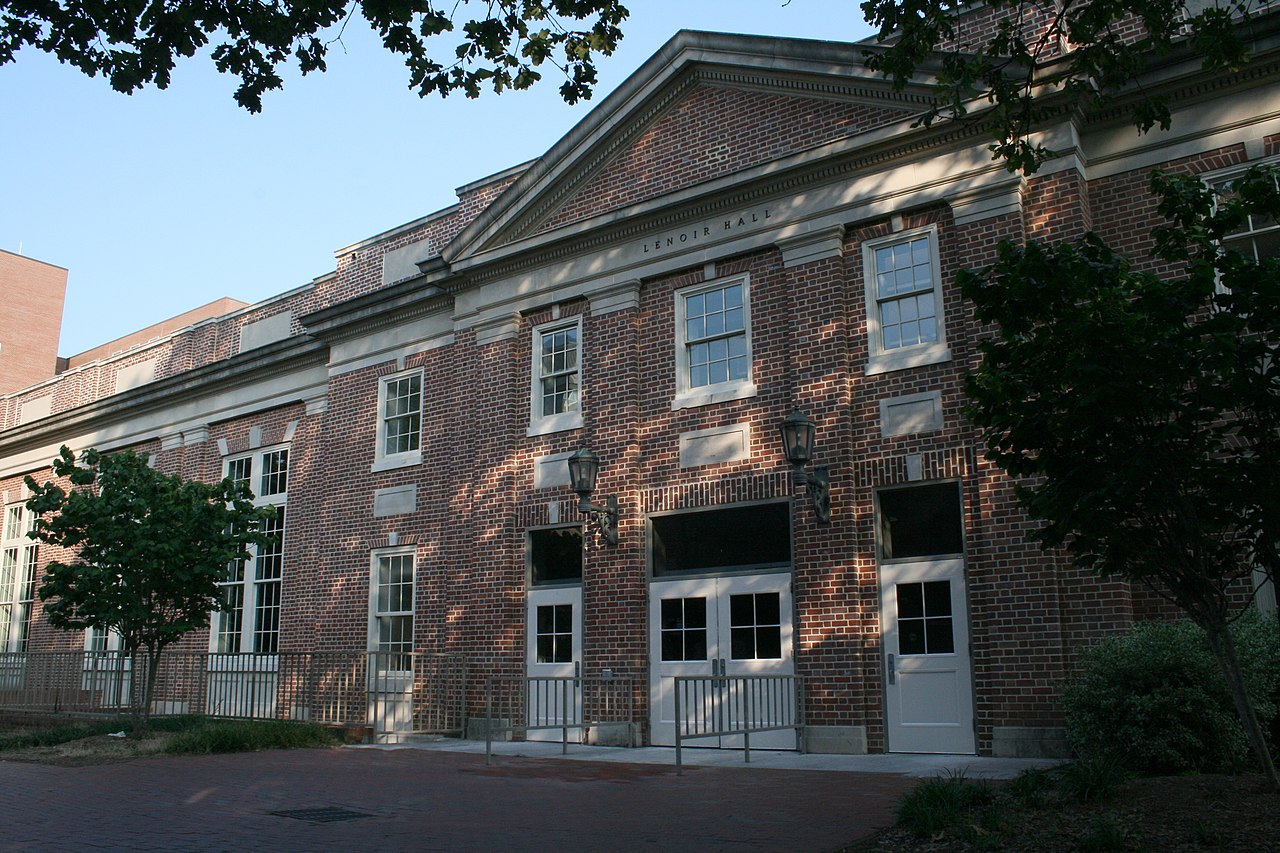
The campus in the town of Chapel Hill includes a mix of historic and modern buildings, research facilities, museums and cultural spaces, and a medical complex. Academically, the university is organized into a large College of Arts and Sciences and multiple professional and graduate schools. Programs commonly associated with the campus include strong undergraduate liberal arts offerings and graduate or professional programs in medicine, public health, law, business, pharmacy and journalism. Clinical teaching and patient care are provided through affiliated hospitals and health networks that serve the state and region.
History and founding status
UNC was chartered by the state legislature in 1789 and began instruction in the mid-1790s; its first degrees were conferred before the end of that decade. Because of the nuances of founding dates, chartering, and the start of instruction, UNC is one of several institutions that claim early precedence among public universities in the United States. Comparisons are often made with other long-established schools: the University of Georgia was chartered earlier but began classes later, and the College of William & Mary predates both but became a public institution at a later date. Those differences underlie the historical debate about which campus is the "oldest" public university; UNC's claim emphasizes the early start of public instruction and graduation on a campus chartered for public higher education. The university is located in the town of Chapel Hill, within the state of North Carolina, and the longstanding discussion of early public universities is discussed in sources about the nation's higher-education history at historical comparisons and institutions such as the University of Georgia.
Research, public service and impact
As a major public research institution, UNC conducts research across the sciences, social sciences, humanities and professional fields. The campus is home to institutes and centers that work on matters of public health, education, economic development and the arts. Its medical school and public health programs have contributed to clinical care, epidemiology and population-health policy, while university research has informed state and national debates on health, environment and public policy. The university also emphasizes community engagement and many programs connect students and faculty with service in the surrounding region.
Athletics, culture and community
UNC has a prominent athletics program competing at the NCAA Division I level; basketball traditions, rivalries and storied coaches and players are part of the university's public profile. Campus life includes longstanding traditions, student organizations, public arts and cultural events that serve both the university community and the town of Chapel Hill. The blend of academic activity, research, athletics and campus traditions contributes to UNC's reputation in the state and beyond.
Distinguishing features
- Flagship public campus of the University of North Carolina system and a member of national research associations.
- Historic founding and early public instruction, which factor into debates about the oldest public universities in the United States.
- Wide-ranging academic programs including medicine, public health, law, business and liberal arts.
- Active role in regional healthcare, research, and public service paired with an engaged campus culture.
Together, these elements explain why UNC–Chapel Hill remains an influential public university with a long history, a broad academic portfolio, and ongoing regional and national impact.
Related articles
Author
AlegsaOnline.com University of North Carolina at Chapel Hill Leandro Alegsa
URL: https://en.alegsaonline.com/art/103301
Sources
- unc.edu : "Quick Facts"
- unc.edu : "Organizational Chart"
- oira.unc.edu : "Student Data"