
David Soul
American actor, director and singer best known for his role in Starsky & Hutch and his 1970s pop hits. Career spans television, film, stage and recording.
David Soul (born August 28, 1943) in Chicago, Illinois is an American entertainer whose work has spanned television, film, theatre and popular music. He established a public profile in the 1970s as a screen performer and later developed a parallel career as a recording artist and occasional director.
Image gallery
3 Images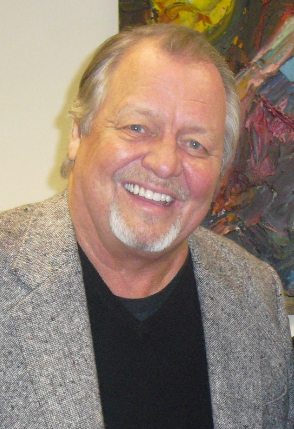

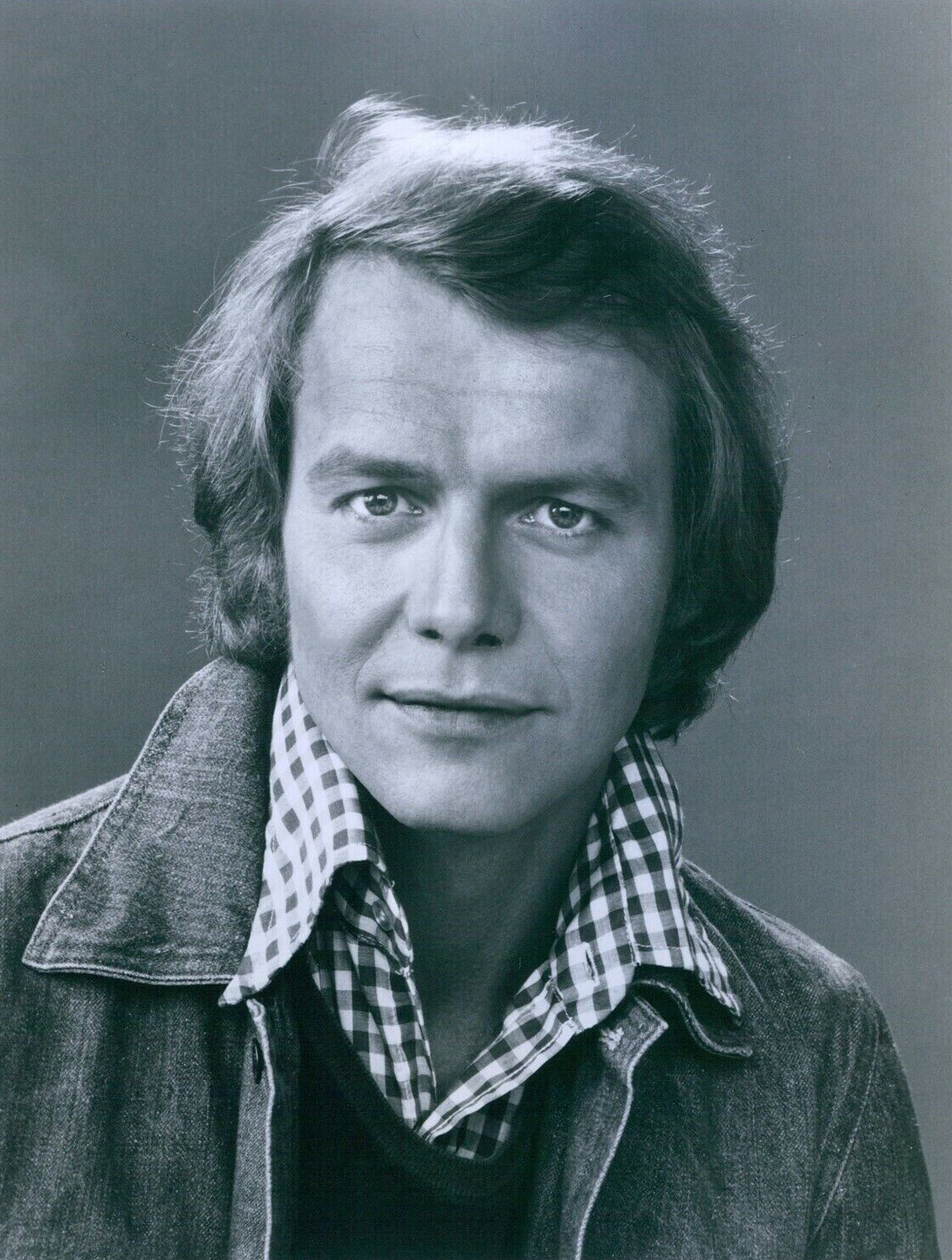
Career
Soul began acting in guest spots and small film roles before achieving wide recognition on television. He is most widely remembered for playing Detective Ken "Hutch" Hutchinson on the crime drama Starsky & Hutch, a role that made him a household name and a symbol of 1970s American TV drama. Over subsequent decades he continued to appear in television series, television movies and stage productions, demonstrating range from straight drama to lighter, character-driven parts.
Music and recordings
Alongside acting, Soul pursued a music career. As a singer he recorded several singles and albums; one of his best-known recordings is the ballad "Don't Give Up on Us," which became a transatlantic pop hit in the mid-1970s. His musical output mixed soft rock and adult contemporary styles, and he occasionally performed live in concert and on television music programs.
Notable works
- Television: Key role in Starsky & Hutch (1970s), plus numerous TV guest appearances and film-of-the-week roles.
- Music: Hit singles and several studio albums with a focus on melodic pop and ballads.
- Theatre and film: Stage roles and supporting film appearances that complemented his television career.
David Soul's career illustrates the mid-20th-century pattern of performers working across media: television fame opening doors to recording contracts and stage work. He remains a recognizable figure from a formative era of popular television, and his cross-over success as both an actor and a actor-singer highlights a versatile entertainment career.
For summaries of his filmography, discography and later projects see additional resources and archives that collect television histories and pop-music charts. Biographical profiles and interviews provide further context about his artistic choices and the cultural impact of his best-known work.
Chicago and Illinois appear frequently in reference material about his early life; contemporary databases and fan sites list detailed credits and performance dates for those researching his body of work.
His work as a public figure, performer and occasional director continues to be cited in discussions of television history and 1970s popular culture, and his recordings remain of interest to collectors of soft-rock and adult-contemporary music.
Further reading and source links: biographical summaries, career listings, and archival music references at music databases.
Related articles
Author
AlegsaOnline.com David Soul Leandro Alegsa
URL: https://en.alegsaonline.com/art/117377
Sources
- davidsoulforum.proboards.com : David Soul Message Board
- davidsoul.com : David Soul Official Website
- davidsoul.org.html : Unofficial website
- imdb.com : David Soul
- fyne.co.uk : New Album - Looking Back