
David Peel — Street‑rock musician and countercultural activist
American singer David Peel (1943–2017) led the Lower East Side Band. Known for raw 'street rock' songs about marijuana, police and authority, he was a visible figure in New York counterculture and appeared in several films.
Overview
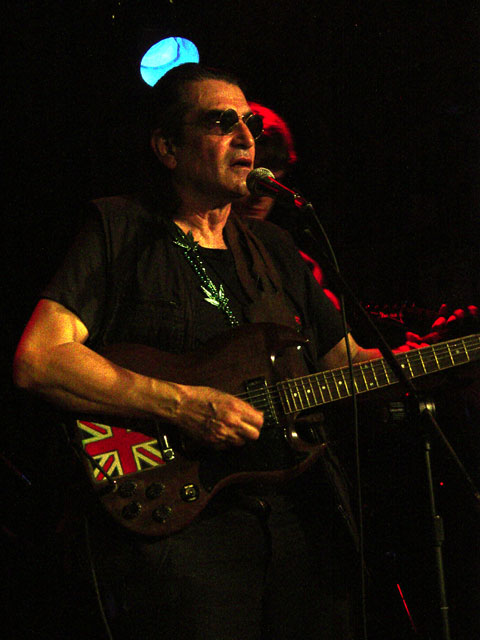
David Peel (born David Michael Rosario; August 1, 1943 – April 6, 2017) was an American singer, musician and political activist associated with New York City's counterculture. He emerged in the late 1960s as leader of David Peel and The Lower East Side Band, a loose collective that included Harold Black, Billy Joe White, George Cori and Larry Adam. Their stripped‑down, chant‑driven performances — often called "street rock" — combined folk rhythms, simple electric or acoustic chord patterns and direct, repetitive lyrics aimed at public singalongs and demonstrations. Peel's songs and stage persona appealed to the broader hippie movement and to downtown audiences who embraced an anti‑establishment sensibility.
Image gallery
3 Images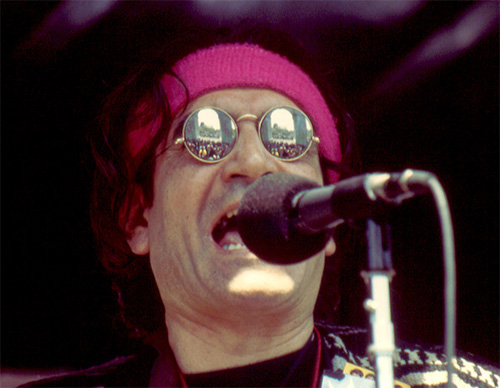

Early career and performances
Peel began by performing in parks, on sidewalks and at small clubs in Manhattan's Lower East Side, where his hands‑on, participatory style encouraged audience involvement. His material frequently featured blunt references to marijuana use, satire of authority figures and calls for social change. The immediacy of his performance style made him a familiar presence at rallies, benefit concerts and street gatherings; he favored directness over studio refinement and often recorded live or with minimal overdubs to preserve that atmosphere.
Musical style and themes
Peel's music is best described as unvarnished and communal. Songs were typically short, repetitive and designed for group singing; percussion might be improvised and arrangements pared down to essential chords and vocal chants. Thematically, his work mixed humour, provocation and political commentary. Recurring topics included advocacy for drug‑law reform, criticism of law enforcement and ridicule of establishment institutions. His plainspoken delivery and satirical edge placed him in a lineage of protest singers while also aligning him with more theatrical aspects of street performance.
Collaborations and media
Throughout his career Peel worked with a variety of musicians and occasionally crossed paths with better known figures in popular music and activism. He recorded several albums and singles from the late 1960s onward and retained a reputation for do‑it‑yourself production. Beyond recordings and live shows, Peel appeared as himself in a number of films and documentaries, including Please Stand By (1972), Rude Awakening (1989), High Times' Potluck (2004) and The U.S. vs. John Lennon (2006), demonstrating how his public persona intersected with broader popular culture.
Later life and legacy
Peel continued to perform intermittently in later decades, maintaining a message consistent with his earlier work even as political debates evolved. He remained a recognizable figure for those who associated music with protest and grassroots activism. Critics and historians have described his influence variously as part of the era's street‑level protest music and as an antecedent to later punk and DIY scenes that emphasised immediacy and political outspokenness. He was both praised for keeping protest song traditions alive and seen by some as a deliberately provocative entertainer rather than a mainstream recording artist.
Death
David Peel died on April 6, 2017, aged 73. Reports placed his death in a Manhattan hospital; accounts noted he passed away in a medical facility in Manhattan, New York, following complications related to a heart condition. His recordings, live tapes and film appearances continue to be cited as examples of street‑level protest music that blurred the lines between entertainment, activism and everyday public life.
Selected activities and characteristics
- Leader of David Peel and The Lower East Side Band, active from the late 1960s onward.
- Known for raw, chantable songs about marijuana, police and authority, intended for public participation.
- Frequent performer in downtown Manhattan and at rallies, blending music with activism.
- Appeared as himself in several films and documentaries that trace aspects of late 20th‑century American counterculture.
Related articles
Author
AlegsaOnline.com David Peel — Street‑rock musician and countercultural activist Leandro Alegsa
URL: https://en.alegsaonline.com/art/117351
Sources
- billboard.com : "Anti-Establishment Icon David Peel Dies at 73"