
David Popper — Bohemian cellist, composer and pedagogue
David Popper (1843–1913), Bohemian cellist and composer noted for virtuosic solo works and enduring cello studies, including the widely used 'High School of Cello Playing'.
Overview
David Popper (born 16 June 1843 in Prague; died 7 August 1913 in Baden) was a prominent Bohemian cellist and composer of the late Romantic era. He built a reputation both as a performer with a warm, virtuosic style and as a teacher and writer of pedagogical material. His music and method pieces remain part of the standard repertoire and training for many cellists worldwide.
Image gallery
2 Images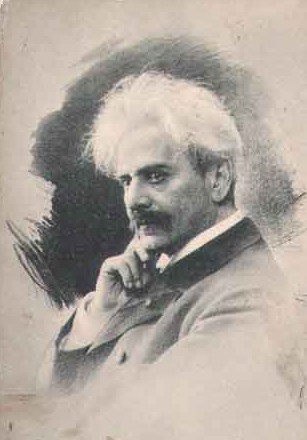

Life and musical career
Popper's career combined solo performance, chamber music, orchestral work and teaching. He was active in central European musical circles and spent significant portions of his life in what is now the Czech Republic and Austria. As a performing artist he was admired for technical clarity and expressive phrasing, and he frequently appeared in concerts where his own shorter character pieces and concertante works were featured alongside established repertoire.
Works and pedagogical contributions
Popper wrote a large number of works for the cello: short salon pieces, concert pieces, chamber music and technical studies. Among these, one collection of studies—commonly referred to as the "High School of Cello Playing"—has become a staple of advanced cello study. His etudes focus on shifting, bowing variety, double stops and left‑hand agility, and are widely used by teachers to develop a modern, flexible technique.
Characteristics and examples
Stylistically, Popper's music reflects the Romantic interest in melody and virtuosity. Typical features include lyrical cantabile lines, florid passagework, folk‑influenced rhythms and clear structural shapes suitable for concert display or teaching. Representative items often performed today are short showpieces and the pedagogical etudes mentioned above; these are frequently programmed in recitals and used in conservatory curricula.
Legacy and importance
Popper's influence endures largely through his contributions to cello technique and repertoire. Generations of cellists have learned from his studies, and many of his shorter works serve both as performance pieces and as technical exercises. His combination of musical expressiveness with methodical technical development makes his output especially valuable to students seeking both artistry and facility.
Notable facts
- His studies remain standard learning material in many conservatories and private studios.
- Popper's pieces bridge the demands of nineteenth‑century salon and concert practice with modern pedagogical needs.
- Recordings and editions of his works are widely available for study and performance, and his name is frequently cited in histories of cello technique and repertoire.
For further reading and source material, consult reference collections and specialized histories of nineteenth‑century cello literature. Many modern editions and recordings present Popper's works alongside portrait essays and performance notes to help contextualize his contributions.
Questions and answers
Q: Who was David Popper?
A: David Popper was a cellist and composer born in Prague on June 16, 1843, and died in Baden, Austria, on August 7, 1913.
Q: What did David Popper compose?
A: David Popper composed many works specifically for the cello, which are still performed by cellists worldwide.
Q: Did David Popper receive any recognition for his compositions?
A: Yes, David Popper's compositions for the cello have gained a great deal of recognition, and many of them are still being played today.
Q: Where in the world is David Popper's music performed?
A: David Popper's music is performed all over the world by cellists.
Q: Was David Popper primarily known for his skills as a cellist or a composer?
A: David Popper was known for his skills as both a cellist and a composer.
Q: When did David Popper pass away?
A: David Popper passed away on August 7, 1913.
Q: What nationality was David Popper?
A: David Popper was Bohemian.
Related articles
Author
AlegsaOnline.com David Popper — Bohemian cellist, composer and pedagogue Leandro Alegsa
URL: https://en.alegsaonline.com/art/117356