
David Davis (British Conservative politician)
Profile of David Davis, long-serving Conservative MP, former Shadow Home Secretary and the UK’s first Secretary of State for Exiting the EU; his background, career highlights and role in Brexit.
Overview
David Michael Davis (born 23 December 1948) is a long-serving British politician best known for his roles in home affairs and Brexit-era negotiations. He has represented constituencies on behalf of the Conservative Party in the House of Commons since the 1980s and served as the United Kingdom's first Secretary of State for Exiting the European Union. He is frequently described as a prominent English voice within his party on civil liberties and national security.
Image gallery
4 Images
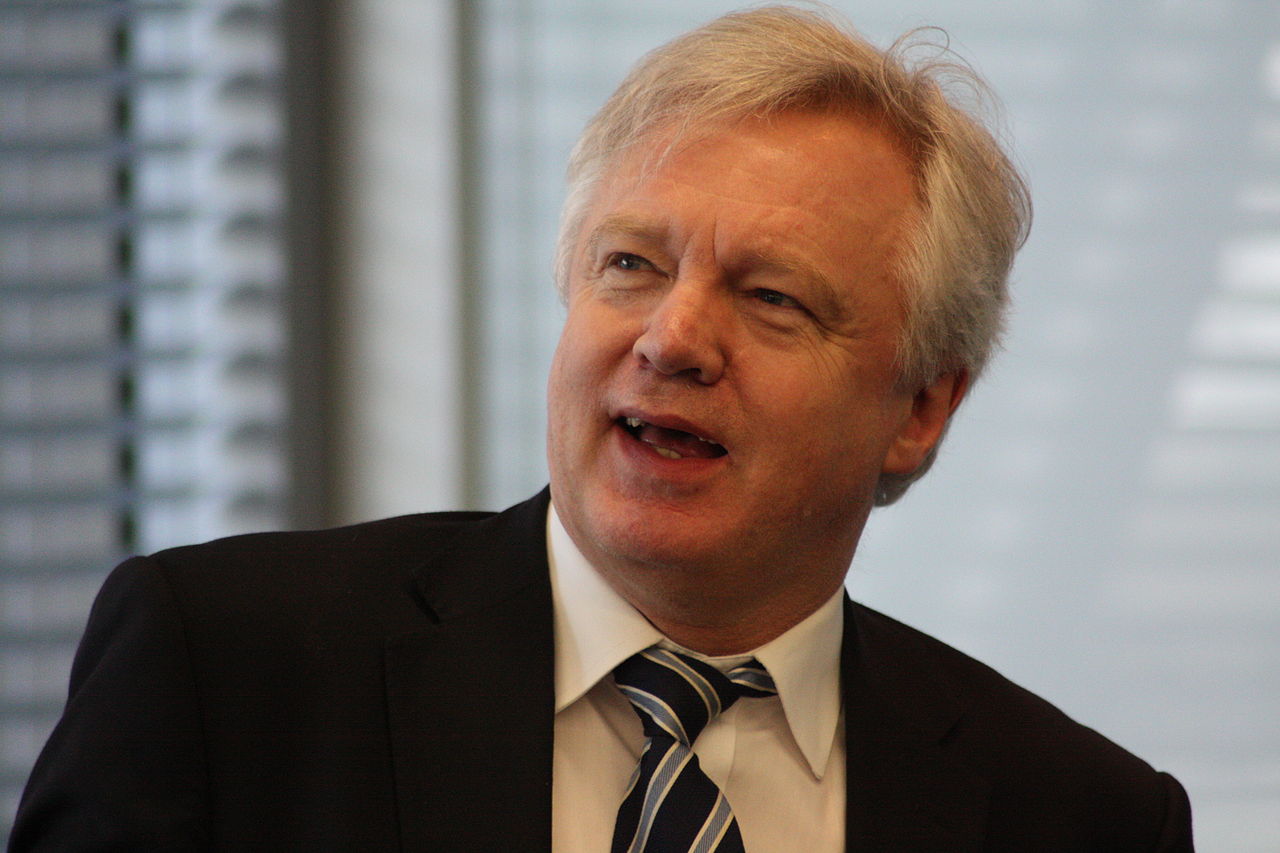


Early life and entry to politics
Davis was born in York and brought up in south London. He entered Parliament at the 1987 general election for the Boothferry constituency and later became the Member of Parliament for Haltemprice and Howden, a seat he has held through subsequent boundary changes. His parliamentary career spans many internal party and front-bench appointments and a reputation for taking principled and sometimes confrontational positions.
Major offices and political profile
On the opposition front bench Davis was Shadow Home Secretary from 2003 to 2008, where he was a leading interrogator of government policy on policing, immigration and civil liberties. In July 2016 he was appointed by Prime Minister Theresa May as the inaugural Secretary of State for Exiting the European Union (often shortened to Brexit Secretary), charged with overseeing the early phases of the UK’s withdrawal from the European Union.
Campaigns, resignation and by-election
In June 2008 Davis made a dramatic move to resign his Commons seat in order to force a by-election as a platform to debate the perceived erosion of civil liberties. He announced his intention to step down and to stand again as a candidate, explicitly framing the contest as a single-issue campaign to highlight concerns about individual rights and state powers. After formal resignation he was the Conservative candidate in the resulting by-election and retained his seat. His stance at that time drew attention to issues such as surveillance, detention and the balance between security and liberty (civil liberties).
Role in Brexit and later developments
As Brexit Secretary Davis led on negotiations and on designing post-exit arrangements for cooperation with the EU in areas such as trade and security. During 2017 he proposed agreements to sustain cooperation on crime and counter-terrorism and commented publicly on the UK’s relationship with agencies such as Europol. Those negotiations became tied to broader Brexit matters including finance, citizens' rights and the Irish border. In July 2018 he resigned from his cabinet post amid disagreements over the government's approach to the exit process, a move that marked a prominent departure during a turbulent phase of UK politics.
Legacy and significance
Davis’s career is notable for several distinguishing features: a willingness to use procedural and political tactics to highlight principle-based issues; a long tenure in Parliament across changing political landscapes; and the distinction of having been the first minister formally charged with leading the UK’s exit from the EU. Commentators and political opponents alike have identified him as a politician who prioritises constitutional and civil-liberties arguments, while also playing a significant tactical role in Conservative Party debates about Europe and internal policy direction.
Selected roles and themes
- MP first elected in 1987; later Member for Haltemprice and Howden.
- Shadow Home Secretary (2003–2008), campaigning on policing and liberties.
- Resigned in 2008 to prompt a by-election centered on civil-liberty concerns (by-election, civil liberties).
- Appointed first Secretary of State for Exiting the EU by Theresa May and led early Brexit work (Brexit Secretary).
- Born in York, raised in south London, widely regarded as an influential English Conservative voice.
For a fuller timeline and contemporary commentary on his parliamentary interventions, see further resources and archived materials from the UK Parliament and press briefings, which discuss his public positions on security cooperation, internal party dynamics and constitutional questions related to Brexit and civil rights. For external links and specific documents use: profile links, party resources at Conservative Party pages, ministerial records at Brexit office summaries, and contemporary news reports including those mentioning Theresa May and the debates over EU arrangements.
Further context and reporting on his interventions in 2017–2018 relate to security cooperation with EU bodies, including discussions about UK involvement with Europol and cross-border intelligence exchange, which were tied to negotiations on financial settlement, citizens’ rights and the Irish border. These topics remained central to the public and parliamentary debate during and after his tenure as Brexit Secretary.
Related articles
Author
AlegsaOnline.com David Davis (British Conservative politician) Leandro Alegsa
URL: https://en.alegsaonline.com/art/117249
Sources
- hm-treasury.gov.uk : "Three Hundreds Of Chiltern"
- independent.co.uk : "David Davis proposes new post-Brexit treaty between UK and EU to fight crime and terror"
- telegraph.co.uk : "Britain will pay to remain a part of Europol after Brexit, David Davis says"
- telegraph.co.uk : "David Davis resigns as Brexit secretary"
- bbc.co.uk : "Brexit Secretary David Davis resigns"