
Dave Bartholomew — New Orleans musician, songwriter and producer
American bandleader, arranger, trumpeter and producer whose songs and arrangements helped define New Orleans R&B and early rock and roll; longtime collaborator of Fats Domino.
Overview
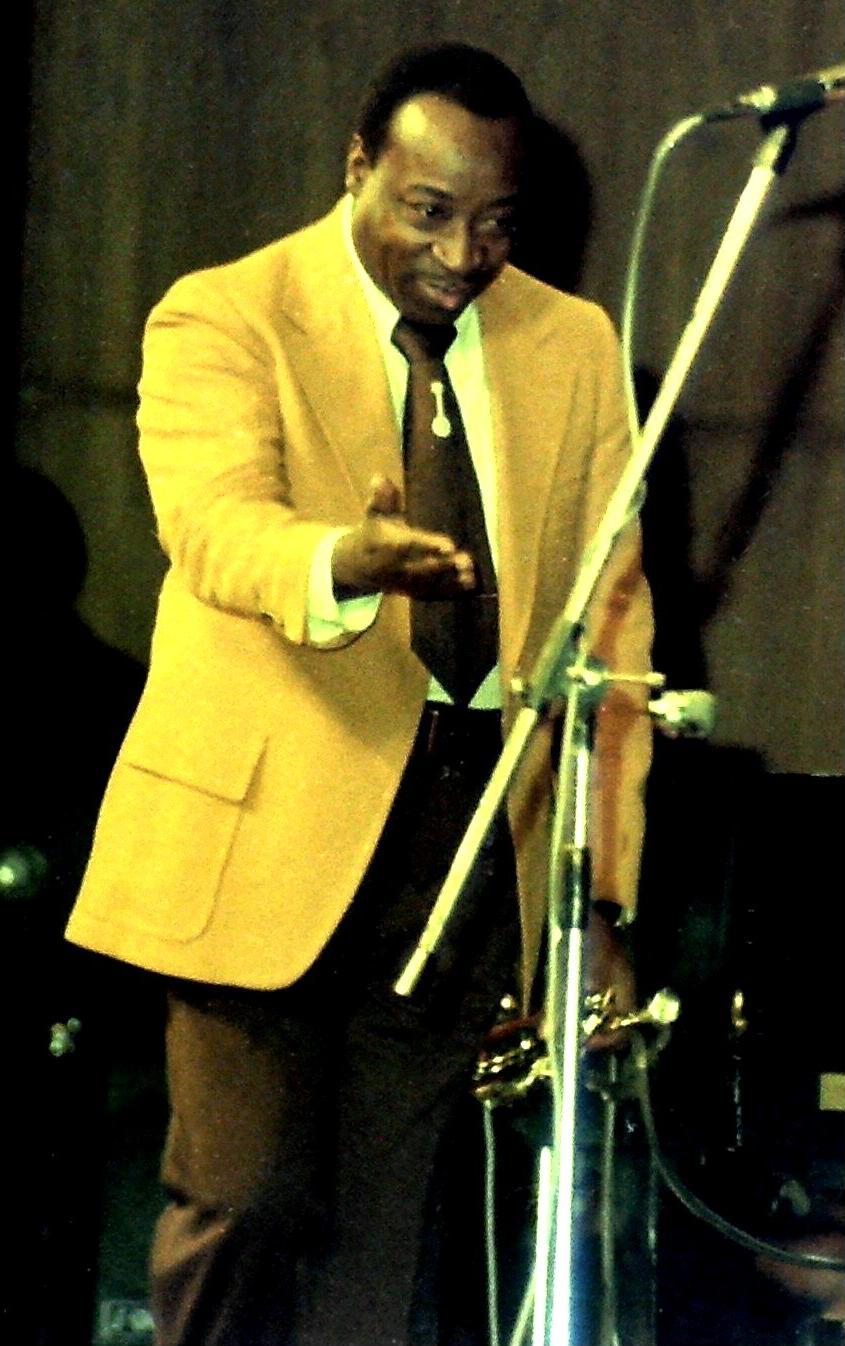
Dave Bartholomew (December 24, 1918 – June 23, 2019) was an American musician, bandleader, arranger, composer and record producer whose work was central to the sound of New Orleans rhythm and blues and the emergence of rock and roll. Based in New Orleans, he combined songwriting, horn arrangements and studio direction to create a distinctive, rhythm-driven style that influenced generations of performers and producers.
Image gallery
4 Images


Early career and development
Bartholomew began his professional life as a jazz and big band trumpeter and eventually led his own orchestra. Transitioning from live performance to studio work, he became known for shaping arrangements and directing recording sessions. His background in bandleading and arrangement allowed him to blend brass textures, syncopated rhythms and a strong backbeat—elements that became hallmarks of the New Orleans sound.
Musical role and characteristics
As an arranger and producer, Bartholomew emphasized tight horn charts, rolling piano patterns and rhythm grooves that supported the singer without overpowering them. He often collaborated closely with vocalists to tailor parts, and his records typically feature call-and-response patterns, shuffle rhythms, and accents on the second and fourth beats that helped bridge R&B and the nascent rock and roll styles. He played trumpet on many sessions and led the studio band that backed numerous hit records.
Key collaborations and songs
Bartholomew is best known for his long partnership with singer-pianist Fats Domino, with whom he co-wrote, arranged and produced many of Domino's biggest hits. Their teamwork produced enduring songs that became staples for other artists to reinterpret. Notable compositions and recordings associated with Bartholomew include:
- "Ain't That a Shame" and "Goin' Home" (early rock and roll standards)
- "I'm Walkin'", "Blue Monday" and "I Hear You Knocking" (widely covered R&B songs)
- "One Night" and songs later popularized by other performers
Industry work and influence
Beyond songwriting, Bartholomew served as a producer and A&R figure who helped shape the careers of several artists and the catalogs of regional labels. His approach to arranging and recording directly influenced the transition from jump blues and New Orleans rhythm and blues into mainstream rock and roll. Music historians credit him with helping to export the New Orleans sound across the United States and abroad.
Honors, distinctions and legacy
Bartholomew received wide recognition for his contributions, including induction into major halls of fame and songwriting honors. He is a member of the Rock and Roll Hall of Fame and the Songwriters Hall of Fame, and is honored in Louisiana's musical institutions for his regional impact. His career is often cited as an exemplar of the producer-arranger as a creative force in popular music. In later life he remained a respected elder statesman of American music, celebrated for mentoring younger musicians and for a songwriting catalog that continued to be recorded and reinterpreted.
Bartholomew died in New Orleans on June 23, 2019, at the age of 100. Reports listed heart failure as the cause. Over many decades his combination of composition, arrangement and studio direction left a lasting imprint on R&B and rock history.
For additional context about his role as a producer and his recorded legacy, see entries that cover his studio work and songwriting credits as a record producer and catalog of compositions. Further resources on his life and New Orleans milieu are available through musical archives and local histories (Fats Domino biographies and regional studies often discuss their partnership).
Bartholomew's life and work remain an important chapter in American popular music: a bridge between big band arranging, the New Orleans R&B groove, and the early years of rock and roll that followed.
Related articles
Author
AlegsaOnline.com Dave Bartholomew — New Orleans musician, songwriter and producer Leandro Alegsa
URL: https://en.alegsaonline.com/art/117175
Sources
- prairiehome.publicradio.org : "Prairie Home Companion"
- songwritershalloffame.org : "Dave Bartholomew"
- wwltv.com : "Dave Bartholomew, rock 'n' roll pioneer and trumpeter, dies at age 100"