
Dan Rostenkowski: Chicago Power Broker and Longtime House Tax Chairman
American congressman (1928–2010) from Chicago who chaired the House Ways and Means Committee, shaped tax policy for decades, and whose career ended with a mail fraud conviction and prison sentence.
Daniel D. Rostenkowski (January 2, 1928 – August 11, 2010) was a prominent American lawmaker and Democratic Party leader from Chicago who served in the U.S. House of Representatives from 1959 to 1995. During his tenure he became one of the most influential members on taxation and social policy as the long-serving chair of the House Ways and Means Committee. Rostenkowski combined legislative skill with the networks of Chicago politics to build power in Washington, but his career concluded after a conviction for mail fraud that led to a criminal sentence.
Image gallery
2 Images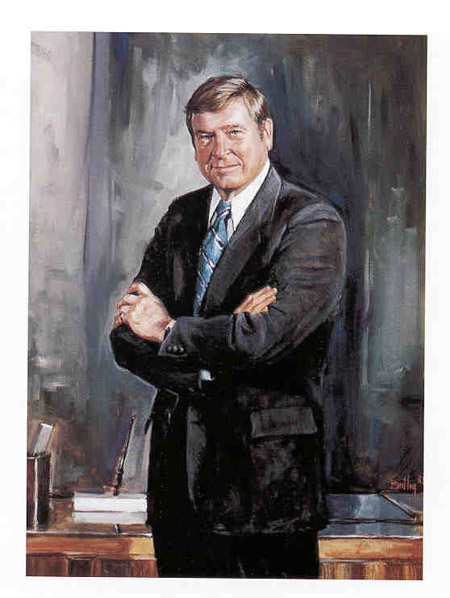

Early life and political rise
Born and raised in a Chicago neighborhood, Rostenkowski entered public life through the city's Democratic organization. He represented his district in the U.S. House for more than three decades and remained an active local political figure, holding the post of Democratic committeeman for Chicago's 32nd Ward while serving in Congress. His institutional standing and ties to the city played a central role in his ability to win elections and marshal support for legislative priorities.
Chairmanship and legislative influence
Rostenkowski rose to chair the powerful House Ways and Means Committee, the chamber's chief tax-writing panel, where he had wide influence over federal revenue, tariffs, trade, Social Security, and Medicare legislation. Known for detailed knowledge of tax law and the legislative process, he helped structure major tax measures and budget reconciliations and was a central negotiator on revenue and entitlement matters. He also became known for vigorous constituent service and for using committee jurisdiction to direct funds and policy benefits to his district and allies.
- Committee leadership: guided tax and trade legislation and oversight.
- Legislative style: practiced coalition-building and seniority-based authority.
- Constituent focus: emphasized local projects and federal assistance for his district.
Indictment, conviction, and resignation
Late in his career Rostenkowski was the subject of a federal investigation into his use of congressional resources. He pleaded guilty to charges of mail fraud, was fined, and received a prison sentence. The conviction was a pivotal event that ended his role as a major congressional leader and damaged his long-standing reputation. The case illustrated increased scrutiny of congressional conduct and the political consequences of ethical breaches.
Later life and legacy
After leaving Congress, Rostenkowski maintained ties to public affairs and his Chicago community but lived with the consequences of his conviction. He died on August 11, 2010, at his summer home in Genoa City, Wisconsin, at the age of 82 from lung cancer. His long career is remembered for both substantive influence over American tax and social policy and for the corruption case that curtailed his leadership. Historians and political observers view him as an exemplar of mid-20th century congressional power and machine-era politics—skilled at lawmaking and patronage, yet vulnerable to legal and ethical limits.
For an overview of his service as a United States Representative and his connections to Chicago politics, see contemporary accounts and archival records. His membership in the Democrat caucus shaped party strategy in the House during much of the latter 20th century.
Related articles
Author
AlegsaOnline.com Dan Rostenkowski: Chicago Power Broker and Longtime House Tax Chairman Leandro Alegsa
URL: https://en.alegsaonline.com/art/117119
Sources
- booknotes.org : "Booknotes" · web.archive.org
- washingtonpost.com : "Dan Rostenkowski, 82; powerful committee chairman in U.S. House"