
Daniel Ortega
Nicaraguan political leader and longtime Sandinista figure; president 1979–1990 and again since 2007. His rule blends social programs with controversies over democratic rights and concentration of power.
Overview
Daniel Ortega (born November 11, 1945) is a prominent Nicaraguan political figure and longtime leader of the Sandinista National Liberation Front (FSLN). He first served as head of state after the 1979 revolution and, following a period out of office, returned to the presidency in 2007. His long tenure has made him one of the most consequential and divisive leaders in recent Central American history.
Image gallery
10 Images


Early life and rise
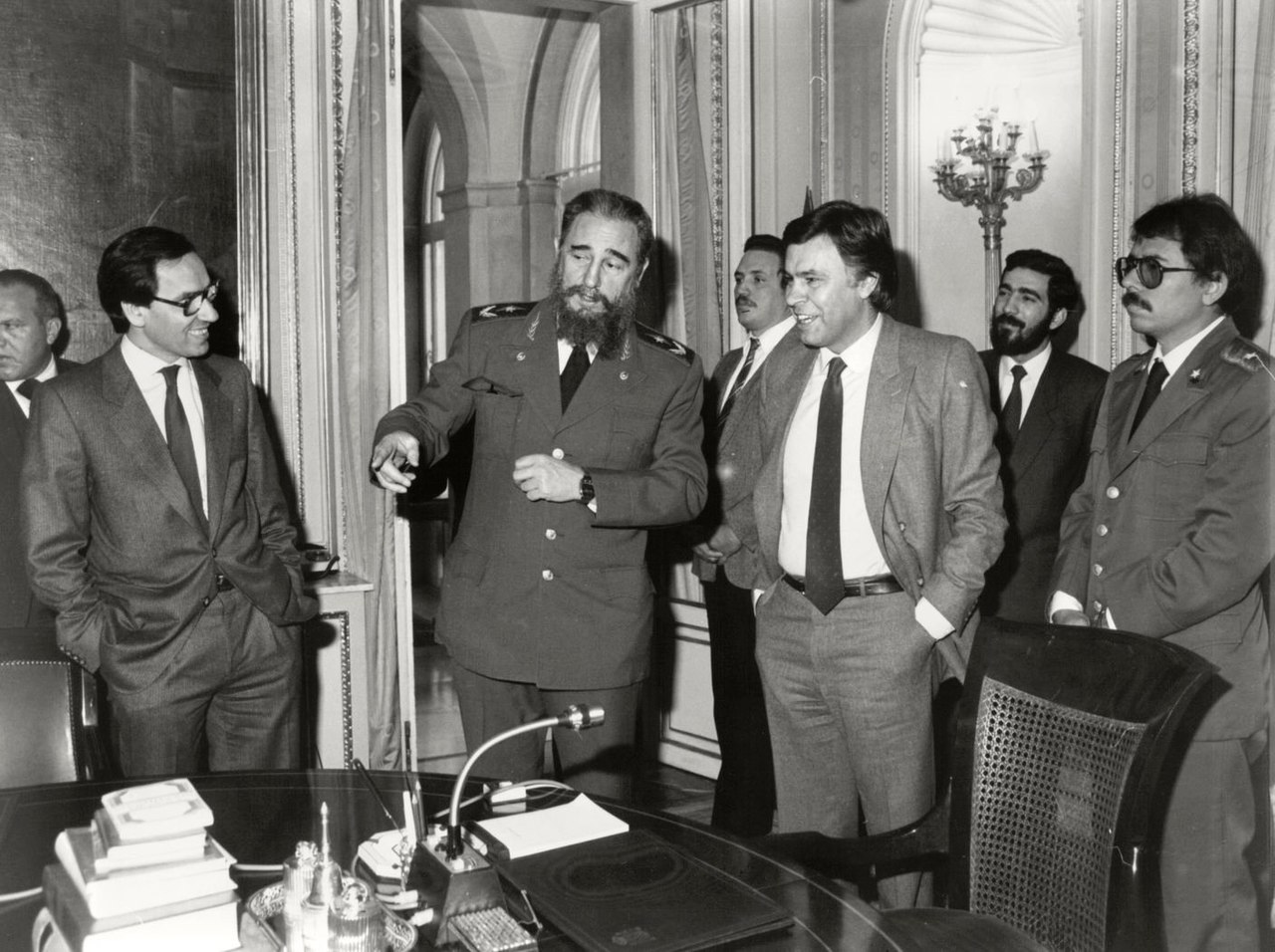
Ortega came from a modest background and became politically active as a young man, joining the FSLN, a leftist guerilla group that opposed the Somoza dictatorship. During the 1970s he emerged as a key figure within the movement and helped to build the coalition that overthrew the Somoza regime in 1979. The revolution transformed Nicaragua's political landscape and launched Ortega into national leadership.
First presidency (1979–1990)
After the fall of Somoza, Ortega was part of a governing junta and later served as Nicaragua's head of state. The Sandinista government implemented ambitious social programs—literacy campaigns, land redistribution, and public health initiatives—while also pursuing state-led economic reforms. The period was marked by intense domestic conflict, including a counterrevolutionary insurgency (the Contra war) and confrontations with foreign powers, which significantly affected the country’s economy and stability. Ortega and the FSLN lost national elections in 1990 amid a war-weary electorate.
Return to power and later terms
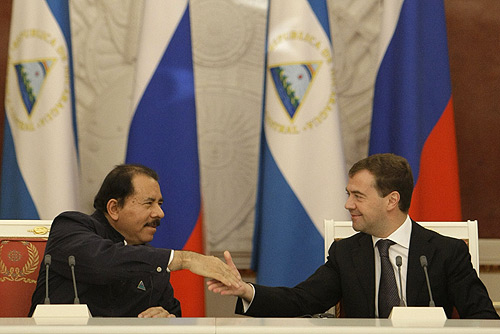
After years in opposition, Ortega rebuilt political support and won the presidency again in 2006, taking office in 2007. Since then he has been re-elected to additional terms. His later administrations combined social and infrastructure programs with political maneuvers that critics say have weakened democratic checks and balances. Constitutional and electoral changes, personalist tendencies within the governing party, and the placement of allies in key institutions are often cited as factors in the consolidation of his rule.
Policies, controversies and international response
Ortega’s governments have emphasized poverty reduction through targeted subsidies, social welfare investments, and public works, while maintaining close ties with certain regional partners. At the same time, human rights organizations, opposition groups, and a number of foreign governments have raised concerns about restrictions on political pluralism, press freedom, and the jailing or exile of political opponents. Official electoral results—such as those reported during recent contests by the country’s electoral authority—have been accepted by supporters but questioned by critics and external observers.
Significance and legacy
Daniel Ortega is a defining figure of modern Nicaraguan history: a revolutionary leader who became a long-serving head of state. Supporters credit him with social achievements and national sovereignty; detractors warn of democratic erosion and concentration of power. His role continues to shape Nicaragua’s domestic trajectory and regional relationships.
- Key aspects: revolutionary background; two nonconsecutive periods as national leader.
- Major initiatives: literacy and health campaigns, land reform, social programs.
- Contested issues: electoral reforms, media restrictions, treatment of opposition.
- Further institutional context and ongoing international dialogue concern Nicaragua’s political direction.
Related articles
Author
AlegsaOnline.com Daniel Ortega Leandro Alegsa
URL: https://en.alegsaonline.com/art/117042
Sources
- news.bbc.co.uk : "Ortega wins Nicaraguan election"