
Craig Venter: genomic pioneer and synthetic biology entrepreneur
Overview of John Craig Venter, his role in sequencing genomes, founding of genomic institutes and companies, creation of a synthetic cell, environmental genomics work, controversies, and recognition.
John Craig Venter (born October 14, 1946) is an American biotechnologist and entrepreneur best known for advancing large-scale DNA sequencing and for early efforts to create synthetic life. He led private efforts to sequence the human genome, pioneered the use of whole‑genome shotgun sequencing, and later directed work that produced a bacterial cell controlled by a chemically synthesized genome. Venter has founded several research organizations and companies focused on genomics and synthetic biology and has promoted environmental sampling and cataloging of genetic diversity.
Image gallery
7 Images


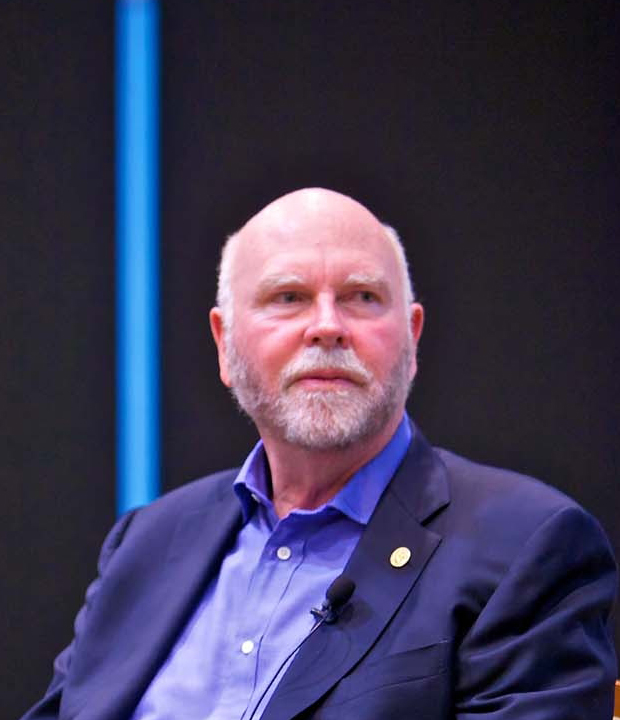

Early career and institutions
Venter trained in biology and physiology before entering genomics research. He founded The Institute for Genomic Research (TIGR) to pursue high-throughput sequence analysis and later launched Celera Genomics to accelerate human genome sequencing using novel computational strategies. Those organizations and the later J. Craig Venter Institute (JCVI) reflect a career that spans academic-style research, commercial biotechnology, and nonprofit science. For profiles and institutional histories see biographies and organizational summaries like company histories.
Major projects and scientific approach
Venter is widely associated with the adoption of whole‑genome shotgun sequencing for complex genomes. This approach differed from more conservative, map-based public projects and accelerated data production by assembling genomes from overlapping short reads. His team at Celera was a prominent private competitor to the public Human Genome Project; both efforts produced draft human genome sequences in the early 2000s. Background and reporting on those efforts are summarized in overviews such as project accounts.
Synthetic biology, environmental genomics, and notable achievements
In 2010 a research group led by Venter announced construction of a bacterial cell controlled by a laboratory-assembled genome, an event described by many as an important milestone for synthetic biology. The work involved synthesizing and transplanting a genome into a recipient cell to create what was called a "synthetic cell." Venter has also championed environmental genomics: large-scale sampling expeditions to catalogue microbial diversity in oceans and other habitats, producing vast catalogs of genetic sequences and ecological insights. For summaries of these projects see synthetic biology summaries and ocean sampling reports.
Controversies, impact, and recognition
Venter's career has been influential and sometimes contentious. Debates have centered on the ethics and governance of gene synthesis, intellectual property for genetic data, and the impact of private enterprise in fundamental biological research. His work has been widely recognized: he has appeared on influential-person lists and has received numerous honors. Contemporary commentary and lists of influence appear in outlets such as major magazines and curated rankings like international profiles.
Personal notes and public stance
Venter has discussed personal health and genetic findings publicly, including references to attention‑related traits identified in his own genome, and has stated nonreligious views in interviews. He remains a prominent, sometimes polarizing figure whose projects continue to shape genomics, synthetic biology and environmental DNA research.
- Major organizations: The Institute for Genomic Research (TIGR), Celera Genomics, J. Craig Venter Institute (JCVI).
- Key themes: high‑throughput sequencing, synthetic genomes, environmental genomics, bioethics and commercialization.
Questions and answers
Q: Who is John Craig Venter?
A: John Craig Venter is an American biotechnologist and entrepreneur.
Q: What significant achievement was made by Venter?
A: Venter was one of the first to sequence the human genome, and led the team which made the first cell with a synthetic genome in 2010.
Q: What organizations did Venter found?
A: Venter founded Celera Genomics, The Institute for Genomic Research, and the J. Craig Venter Institute.
Q: What is Venter's current focus of work?
A: Venter now works at his Institute to create synthetic biological organisms, and to record genetic diversity in the world's oceans.
Q: Has Venter been recognized for his influence?
A: Yes, Venter was listed on Time magazine's 2007 and 2008 Time 100 list of the most influential people in the world, and the British magazine New Statesman listed him at 14th in the list of "The World's 50 Most Influential Figures 2010".
Q: What personal trait has Venter recognized in himself?
A: Venter recognized his own ADHD behavior in his adolescence, and later found ADHD-linked genes in his own DNA.
Q: What is Venter's religious belief?
A: In media interviews, Venter has several times said he is an atheist.
Related articles
Author
AlegsaOnline.com Craig Venter: genomic pioneer and synthetic biology entrepreneur Leandro Alegsa
URL: https://en.alegsaonline.com/art/116872
Sources
- usnews.com : "The blueprint Of life"
- csmonitor.com : "J. Craig Venter Institute creates first synthetic life form"
- jcvi.org : First synthetic bacterial cell
- newstatesman.com : "14. Craig Venter - 50 People who matter 2010 |"
- telegraph.co.uk : "Craig Venter: Creating life in a lab using DNA"
- celebatheists.comJohn_Craig_Venter.html : John Craig Ventnor
- youtube.com : Richard Dawkins interviews Craig Ventnor