
Crispus Attucks: First Casualty of the Boston Massacre and His Legacy
Brief biography of Crispus Attucks (c.1723–1770), traditionally identified as the first person killed in the Boston Massacre, his uncertain origins, role in Revolutionary memory, and later significance.
Overview
Crispus Attucks (c.1723–March 5, 1770) is widely remembered as the first person to die during the incident known as the Boston Massacre. In American popular memory he is often described as the initial victim of what later became the Revolutionary struggle; contemporaries and later writers framed his death as a symbol of resistance, calling him a martyr for liberty. The label that he was the first American casualty of the Revolution appears in many accounts, though scholars emphasize that the larger conflict had not yet begun when the shooting occurred (first casualty claim).
Image gallery
6 Images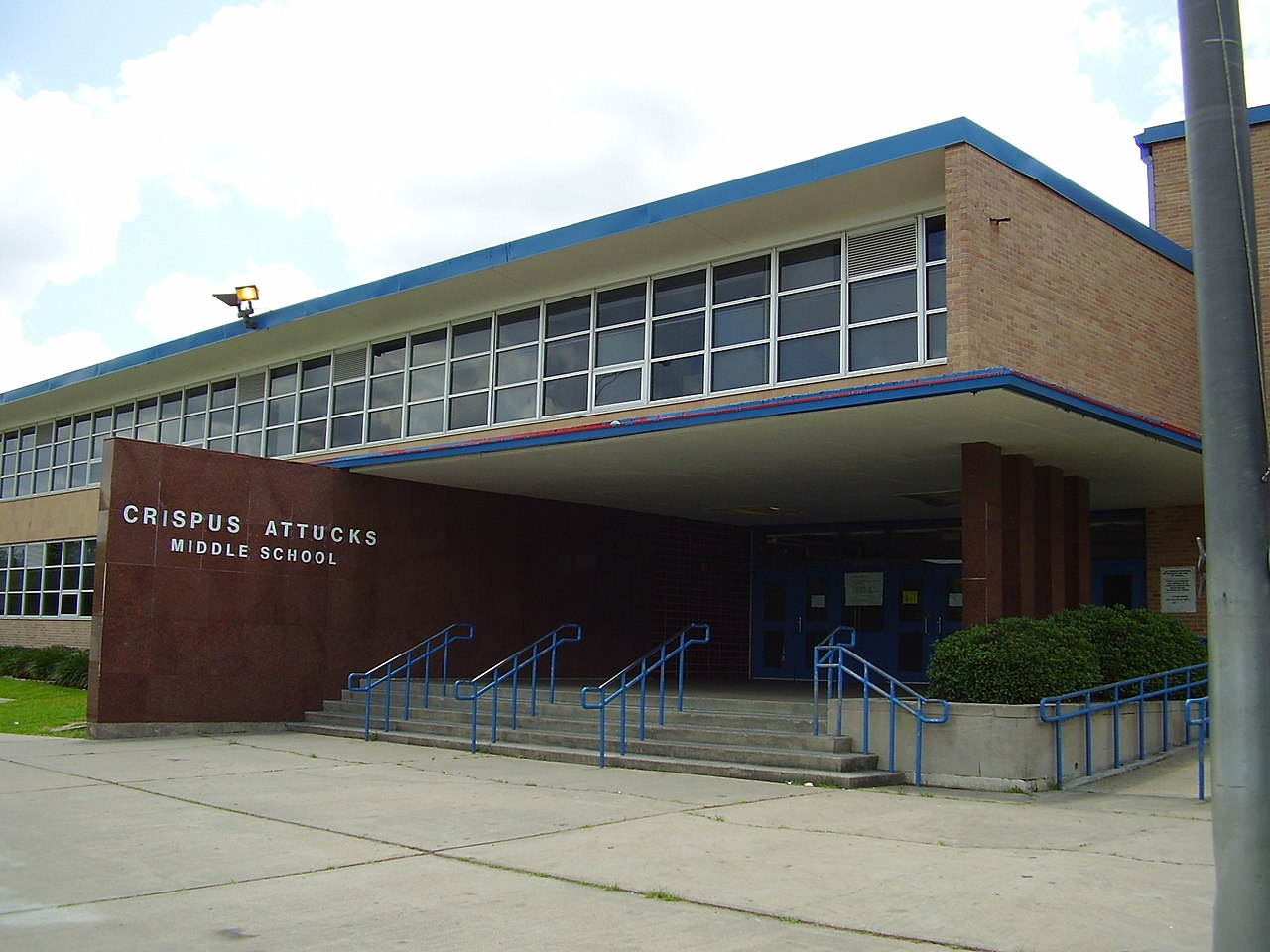


Life and background
Documentary evidence about Attucks is sparse and sometimes contradictory. Most historians agree he was likely of mixed African and Native American ancestry and that he was born in Massachusetts around 1723. Records suggest he worked at sea and in port trades, possibly as a sailor and rope maker; some sources describe him as a runaway from bondage, though precise details about his legal status and family are uncertain. For discussions of these biographical estimates see early life estimates.
Death at the Boston Massacre
On March 5, 1770, a confrontation between a group of colonial civilians and British soldiers on King Street in Boston escalated into gunfire. Contemporary accounts identify Attucks among the crowd that pressed on soldiers; eyewitnesses and later depositions reported that he was among the first to fall. The episode sparked widespread outrage and was used by colonial leaders and printers to rally public opinion against British policies. The legal aftermath included the trial of several soldiers, defended by John Adams, whose legal defense and the verdicts became an important part of the event's record.
Legacy and public memory
Over the 19th and 20th centuries Attucks's image was reshaped to serve different political and cultural purposes. Abolitionists and later civil rights activists highlighted his African heritage and his death as evidence of Black patriots' early contributions to American liberty (18th-century abolitionists, 19th-century movement). Monuments, schools, and public artworks bearing his name appeared in numerous communities, and he figures in poems, songs, and histories that remember the massacre. Institutions and commemorations also reflect changing interpretations: some emphasize his role as a common laborer and martyr, others examine the mythmaking that surrounded his life and death.
Significance and interpretations
Scholars treat Attucks both as an individual who died in a specific street confrontation and as a symbol used in broader political struggles. His story is often cited to illustrate how public memory can transform a little-documented person into an emblem of national values. The debate over the precise facts of his life coexists with recognition of his importance in American memory, where he has been honored for his perceived courage and for the role his death played in mobilizing colonial opinion (cultural memory).
Further notes
- Key dates: born c.1723 (approximate); killed March 5, 1770.
- Attucks is commemorated in school names, public sculptures, and historical lists; his legacy is taught as part of discussions about race, labor, and memory in early America.
- Because contemporary documentation is limited, modern biographies balance the few primary records with analysis of how his image developed over time; for additional context see early life estimates and accounts of the Boston Massacre.
Questions and answers
Q: Who was Crispus Attucks?
A: Crispus Attucks was the first person to die in the Boston Massacre and the first American to die in the American Revolutionary War.
Q: What impact did Crispus Attucks have on historical events?
A: Crispus Attucks had a big impact on important historical events like the American Revolution and the abolitionist movement.
Q: What did Crispus Attucks become after being killed at the Boston Massacre?
A: After being killed at the Boston Massacre, Crispus Attucks became a martyr of the American Revolution.
Q: What did Crispus Attucks become a symbol for in both the 18th and 19th century?
A: Crispus Attucks became a symbol for the abolitionist (anti-slavery) movement, both in the 18th century and the 19th century.
Q: How is Crispus Attucks still impacting American culture today?
A: Even 250 years after his death, modern songs, stories, and television shows still talk about Crispus Attucks. Children go to schools that are named after him.
Q: Was Crispus Attucks recognized for his contributions to American history?
A: Yes, in 2002, Crispus Attucks was named one of the "100 Greatest African Americans" in United States History.
Q: When was Crispus Attucks born?
A: Crispus Attucks was born circa 1723.
Related articles
Author
AlegsaOnline.com Crispus Attucks: First Casualty of the Boston Massacre and His Legacy Leandro Alegsa
URL: https://en.alegsaonline.com/art/116880
Sources
- pbs.org : "Africans in America: Crispus Attucks"
- teachinghistory.org : African and Native Americans in Colonial and Revolutionary Times
- teachinghistory.org : Teachinghistory.org
- biography.com : "Crispus Attucks Biography"
- books.google.com : "Unhappy Disturbances at Boston"
- loc.gov : "The Trial of William Wemms, James Hartegan, William McCauley, Hugh White, Matthew Killroy, William Warren, John Carroll, and Hugh Montgomery, for the murder of Crispus Attucks, Samuel Gray, Samuel Maverick, James Caldwell, and Patrick Carr"
- cityofboston.gov : "Granary Burying Ground"
- usmint.gov : "Plinky's Coin of the Month"