
Cotton Mather: New England Puritan Minister and Author
Cotton Mather (1663–1728) was a leading New England Puritan minister and prolific author in Boston, known for theological works, interest in natural knowledge and public health, and his contested role in the Salem witch trials.
Overview
Cotton Mather (February 12, 1663 – February 13, 1728) was a prominent Puritan minister, preacher and prolific writer in colonial New England. He spent most of his life in the Boston area and was a central figure in the religious and civic life of the community. Mather belonged to a prominent clerical family: his father, Increase Mather, was also a leading minister and public voice. Cotton Mather's long career combined pastoral work, extensive publishing, and active engagement with social and intellectual questions of his time. For discussion of his public roles and connections with civic leaders, see political and civic influence.
Image gallery
10 Images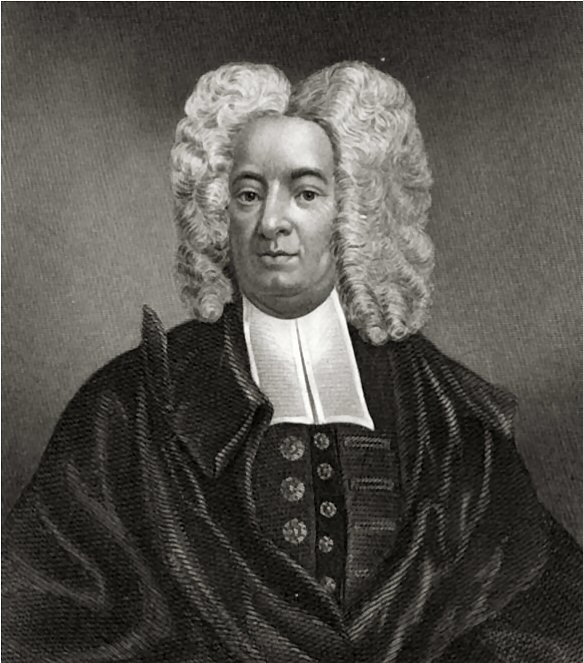


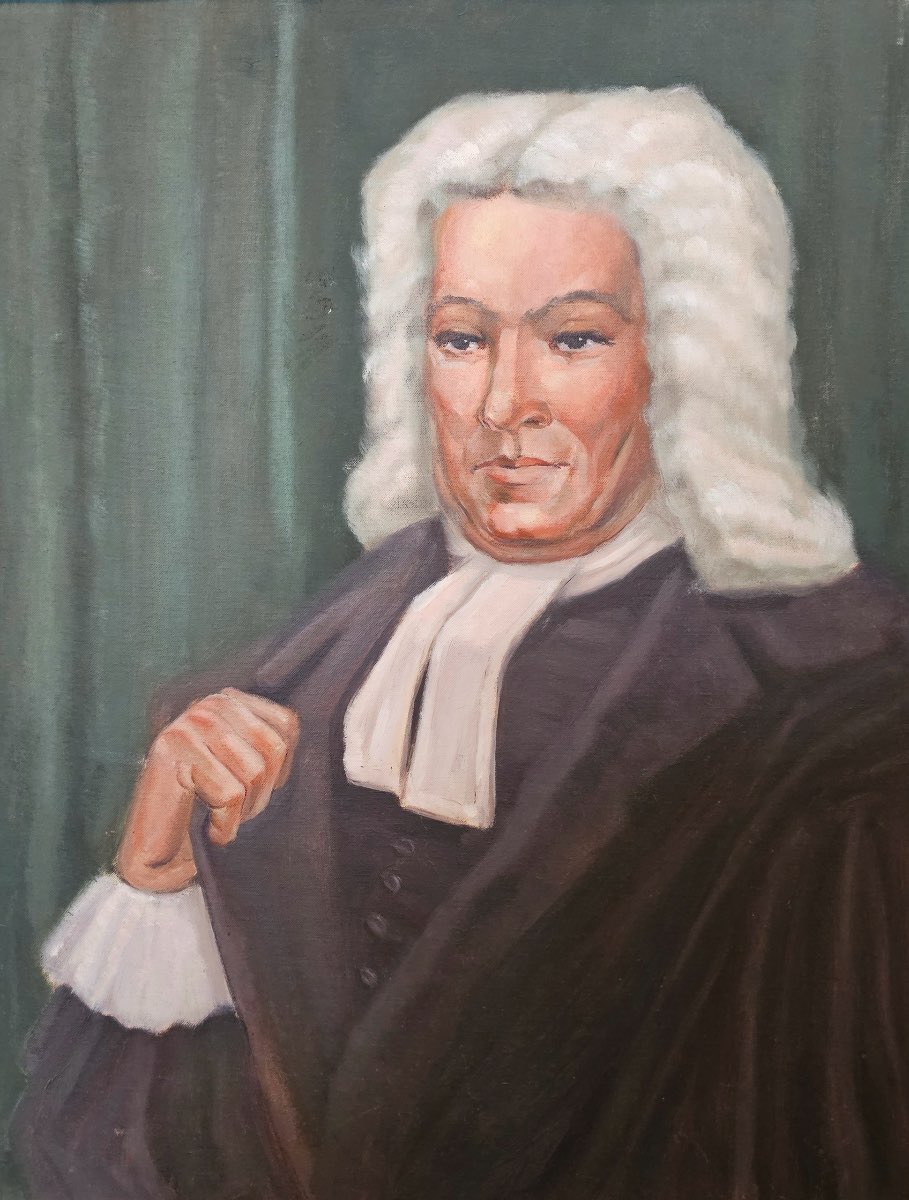
Early life and education
Mather was born into a family of ministers and received a classical education at Harvard College, where he prepared for the ordained ministry. His training combined traditional Puritan theology with a broad reading in history and natural philosophy. After completing his formal studies he served for many years as minister of the Second Church in Boston, where he preached, taught and provided pastoral care to a large and influential congregation.
Career, publications and themes
Mather was exceptionally prolific. He published sermons, devotional manuals, biographies, and ecclesiastical history. His major historical effort, Magnalia Christi Americana, sought to record the history of New England churches and ministers; other works addressed moral instruction, practical piety and contemporary events. His writings aimed both to instruct fellow clergy and to shape the religious life of ordinary readers. For an overview of his publications and bibliographic resources, consult writings and bibliography.
Salem witch trials and related controversies
Mather is often associated with the Salem witch trials of 1692–1693. He wrote about witchcraft and possession and published material that defended some prosecutions while also urging caution about certain kinds of evidence. Historians continue to debate the degree to which his writings and advice influenced magistrates and public opinion; his role is best described as complex and contested rather than straightforwardly decisive. Balanced treatments of the Salem events and Mather's part in them can be found at regional historical resources.
Science, medicine and public health
Beyond theology, Mather showed a sustained interest in natural philosophy and practical medicine as they were understood in his era. He corresponded with learned men in New England and in England and promoted the use of some experimental and empirical practices. In the epidemic of 1721–1722 he publicly supported smallpox inoculation as a means of reducing harm, an unpopular stance that sparked heated debate and resistance in Boston. Readers seeking context on colonial science and public health debates can consult colonial science and public health.
Legacy
- Son of Increase Mather, he extended a family influence on New England religious life.
- He left a voluminous body of writings that remain important primary sources for the study of Puritanism and colonial society.
- Assessments of Mather are mixed: he is praised for learning and pastoral energy and criticized for aspects of his involvement in witchcraft controversies.
For students and general readers, Cotton Mather illustrates the tensions of a clergy leader who attempted to reconcile religious conviction, civic responsibility and emerging forms of natural knowledge in a changing colonial world.
Related articles
Author
AlegsaOnline.com Cotton Mather: New England Puritan Minister and Author Leandro Alegsa
URL: https://en.alegsaonline.com/art/116846
Sources
- books.google.com : Cotton Mather, the Puritan priest. Barrett Wendell. Dodd, Mead & co. New York. 1891