
Biopsy: tissue sampling for diagnosis, methods, risks, and results
A biopsy is the removal of tissue or cells for laboratory examination to diagnose disease. This article explains common types, how samples are processed, risks, aftercare, and clinical uses.
Overview
A biopsy is a medical procedure in which a small sample of tissue or cells is taken for laboratory assessment. Clinicians perform biopsies to clarify a diagnosis, stage disease, or guide treatment decisions. The sample may be examined under a microscope and subject to chemical, molecular, or immunologic tests. Biopsy is distinct from purely imaging examinations because it provides material for direct microscopic and laboratory analysis.
Image gallery
2 Images
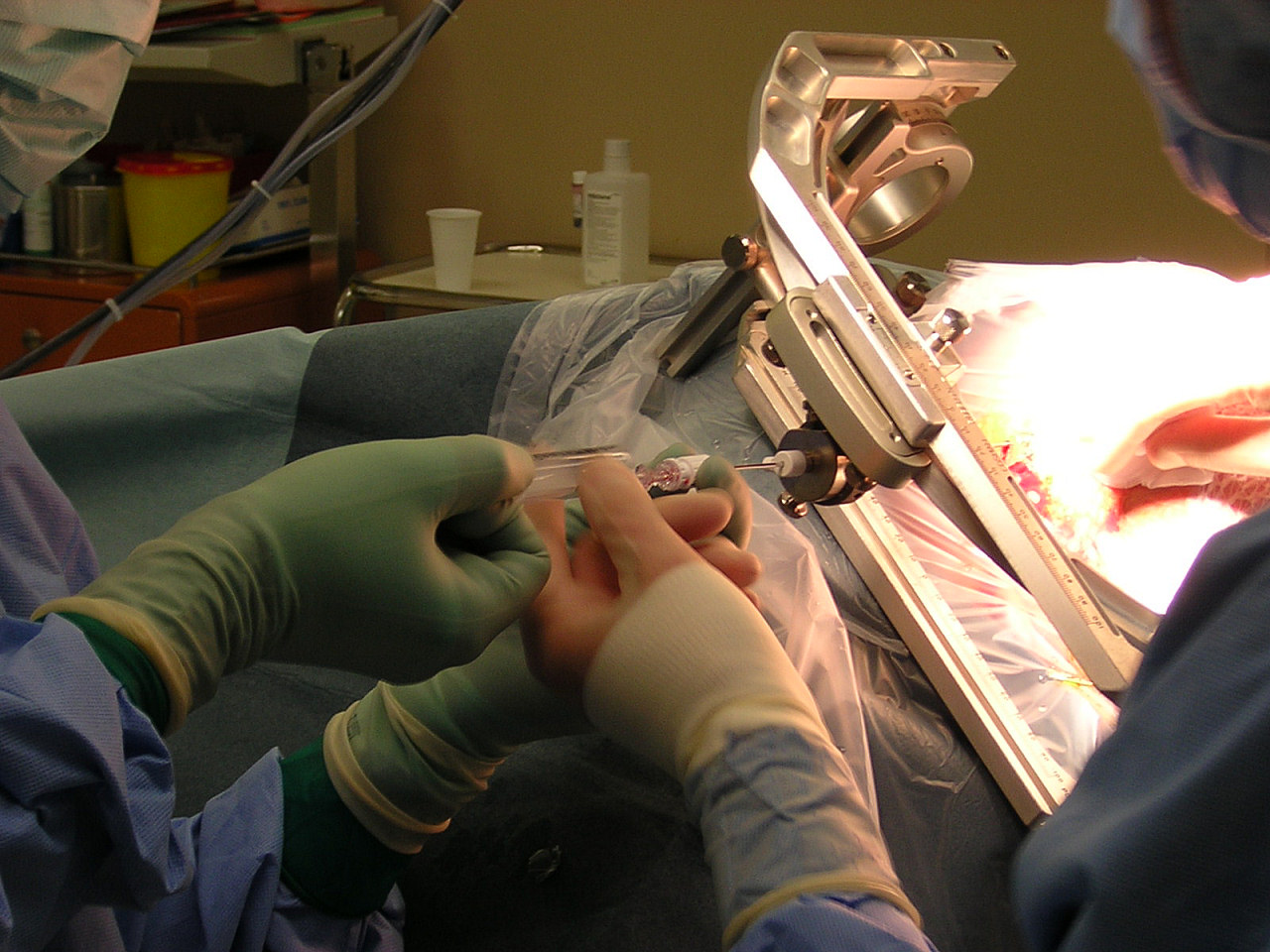
Common types and how they differ
Biopsies can be classified by how tissue is obtained and by the organ involved. Typical approaches include:
- Fine-needle aspiration (FNA): a thin needle extracts cells or fluid for cytology.
- Core needle biopsy: a larger needle removes a cylinder of tissue for histology.
- Incisional biopsy: a portion of a lesion is cut out when complete removal is impractical.
- Excisional biopsy: the entire lump or suspicious area is removed.
- Punch biopsy: commonly used in dermatology to sample skin with a circular blade.
- Endoscopic or surgical biopsy: done during minimally invasive or open surgery for internal organs.
Specimen processing and diagnostic techniques
After collection, samples are handled by pathology labs. Routine processing includes fixation, sectioning, and staining for microscopic study. Additional methods such as immunohistochemistry, special stains, and molecular assays (DNA/RNA testing) can identify cell type, infection, or genetic markers. Rapid intraoperative techniques (frozen section) may provide immediate, preliminary information during surgery.
When and why biopsies are performed
Indications include investigation of a suspicious mass, unexplained inflammation, persistent infection, or monitoring of known disease. Biopsy results help determine whether a lesion is benign or malignant, identify the subtype of a disease, and inform prognosis and treatment planning.
Risks, limitations, and aftercare
Biopsy is generally safe but carries potential risks such as bleeding, infection, pain, or sampling error (non-diagnostic material). Some procedures require local or general anesthesia and short recovery. Patients are usually given instructions for wound care and signs of complications to watch for. Results may take days to weeks depending on the tests requested.
Notable distinctions and practical notes
Biopsy differs from cytology obtained without tissue architecture and from imaging-guided sampling that combines radiology and pathology. Sentinel lymph node biopsy is a specialized procedure to assess spread of cancer. Communication between the clinician and pathologist enhances diagnostic yield—providing clinical history and imaging findings helps interpret results accurately. For more background or clinical guidelines see clinical overview and practical resources about obtaining and handling samples at sample handling.
Tags
Related articles
Author
AlegsaOnline.com Biopsy: tissue sampling for diagnosis, methods, risks, and results Leandro Alegsa
URL: https://en.alegsaonline.com/art/11668