
Christina of Sweden — queen, scholar, and patron of the arts
Queen Christina (1626–1689) ruled Sweden 1632–1654, abdicated, converted to Catholicism and became a celebrated patron of learning and the arts in Rome.
Overview
Christina (born 18 December 1626, O.S. 8 December) was queen of Sweden from childhood after the death of her father, Gustav II Adolf, until her unexpected abdication in 1654. Her Swedish name is often rendered as Kristina av Sverige. She is remembered for rejecting marriage and traditional female roles, for her intellectual interests, and for changing faith and residence after leaving the throne.
Image gallery
10 Images

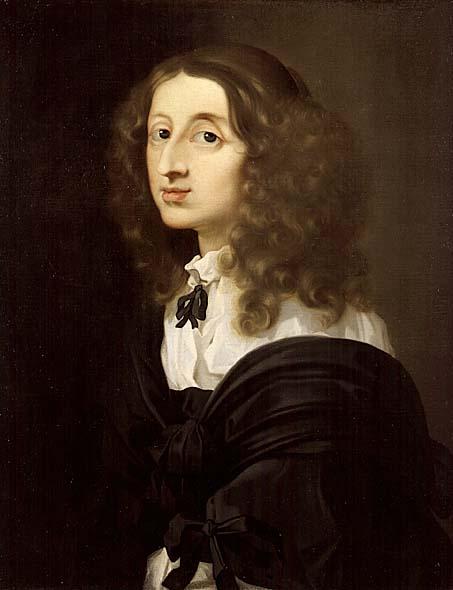


Early life and reign
Christina became sovereign at age six when her father died in battle. During her minority the government was run by regents and advisers, notably the statesman Axel Oxenstierna. As queen she took personal control of government matters when she assumed full power, but her tastes and decisions were frequently shaped by an exceptional education that emphasized languages, philosophy, and the arts. Historical records note her careful study of classical literature and modern scholarship.
Interests, patronage and intellectual life
Christina cultivated a court of scholars, artists, and musicians and pursued studies in what contemporaries called the humanities. She invited and corresponded with many intellectuals of her day and sought to make her court a center of learning. One of the most famous episodes was her engagement with the philosopher René Descartes, whom she summoned to Stockholm; he died there in 1650. Her patronage helped promote music, drama and scientific inquiry across Europe.
Abdication, conversion and life in Rome
In 1654 Christina astonished Europe by abdicating the Swedish throne in favour of her cousin Charles X Gustav. Shortly after leaving power she converted to Roman Catholicism, a move that required her to settle outside Protestant Sweden. She traveled widely and eventually established herself in Rome, where she became a leading cultural figure, collected art and books, and engaged with the papal court and Italian artists.
Legacy and notable facts
Christina is often described as one of the few European monarchs to resign voluntarily. Her life blended political responsibility with intense intellectual curiosity and unconventional personal choices. She amassed a famous library and art collection and maintained wide correspondence; she was buried in Rome, an enduring sign of her final allegiance. For more information on her name and dates see this reference to the old style date: O.S. 8 December, and on Sweden as her realm: Sweden.
Quick facts
- Born: 1626; Died: 1689.
- Reigned as queen of Sweden: 1632–1654.
- Noted patron of the humanities and the arts.
- Invited leading thinkers to her court, including Descartes.
Her life remains a subject of study for historians of early modern Europe because it intersects with questions of gender and rulership, religious conversion in a confessional age, and the role of royal patronage in shaping arts and learning. Christina's choices had political, cultural and symbolic consequences that echoed long after her death.
Questions and answers
Q: Who was Christina of Sweden?
A: Christina of Sweden was the queen of Sweden from 1632 to 1654.
Q: When was Christina of Sweden born and when did she die?
A: Christina of Sweden was born on 18 December 1626 and died on 19 April 1689.
Q: What did Christina of Sweden do after resigning as the queen of Sweden?
A: Christina of Sweden resigned as the queen of Sweden to become a Roman Catholic.
Q: Who were some of the philosophers that Christina of Sweden invited to Sweden?
A: Christina of Sweden invited philosophers such as René Descartes to Sweden.
Q: What were some of Christina of Sweden's interests?
A: Christina of Sweden was interested in humanities.
Q: Did Christina of Sweden have a long reign as the queen of Sweden?
A: No, Christina of Sweden's reign as the queen of Sweden lasted from 1632 to 1654.
Q: What was the official name of Christina of Sweden?
A: Christina of Sweden's official name was Kristina av Sverige in Swedish.
Related articles
Author
AlegsaOnline.com Christina of Sweden — queen, scholar, and patron of the arts Leandro Alegsa
URL: https://en.alegsaonline.com/art/116434
Sources
- worldstatesmen.org : "Sweden"