
René Descartes: life, philosophy, mathematics and scientific influence
Overview of René Descartes (1596–1650): his life, method of doubt, Cartesian coordinates, substance dualism, major works and lasting impact on philosophy, mathematics and early modern science.
Overview
René Descartes (31 March 1596 – 11 February 1650) was a French thinker whose work helped shape modern philosophy, mathematics and natural science. Often presented as a turning point between medieval and modern thought, he is widely associated with methodological skepticism and the phrase usually rendered as "I think, therefore I am." In different accounts he is described as a philosopher, mathematician and innovator in scientific method.
Image gallery
10 Images

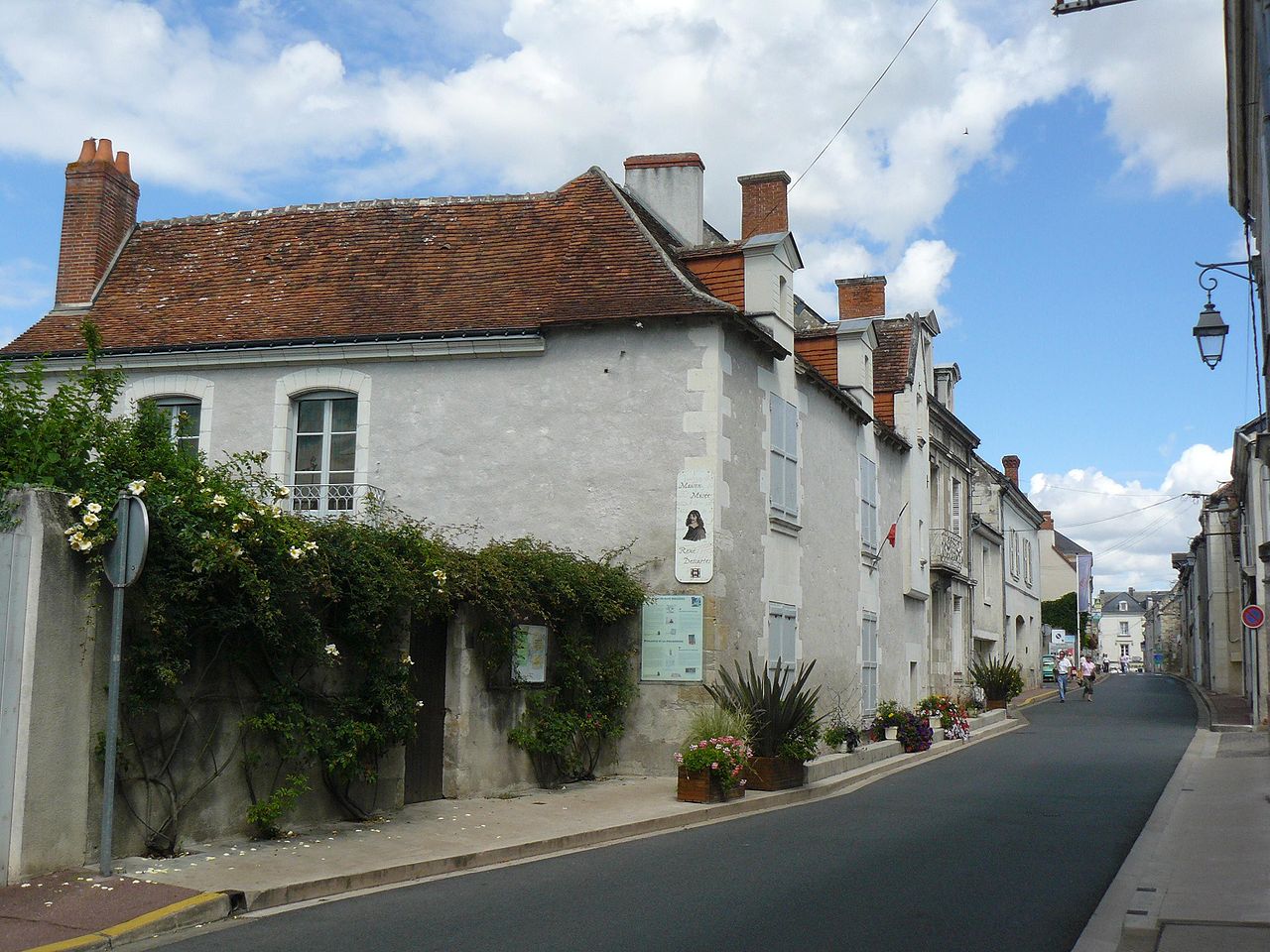


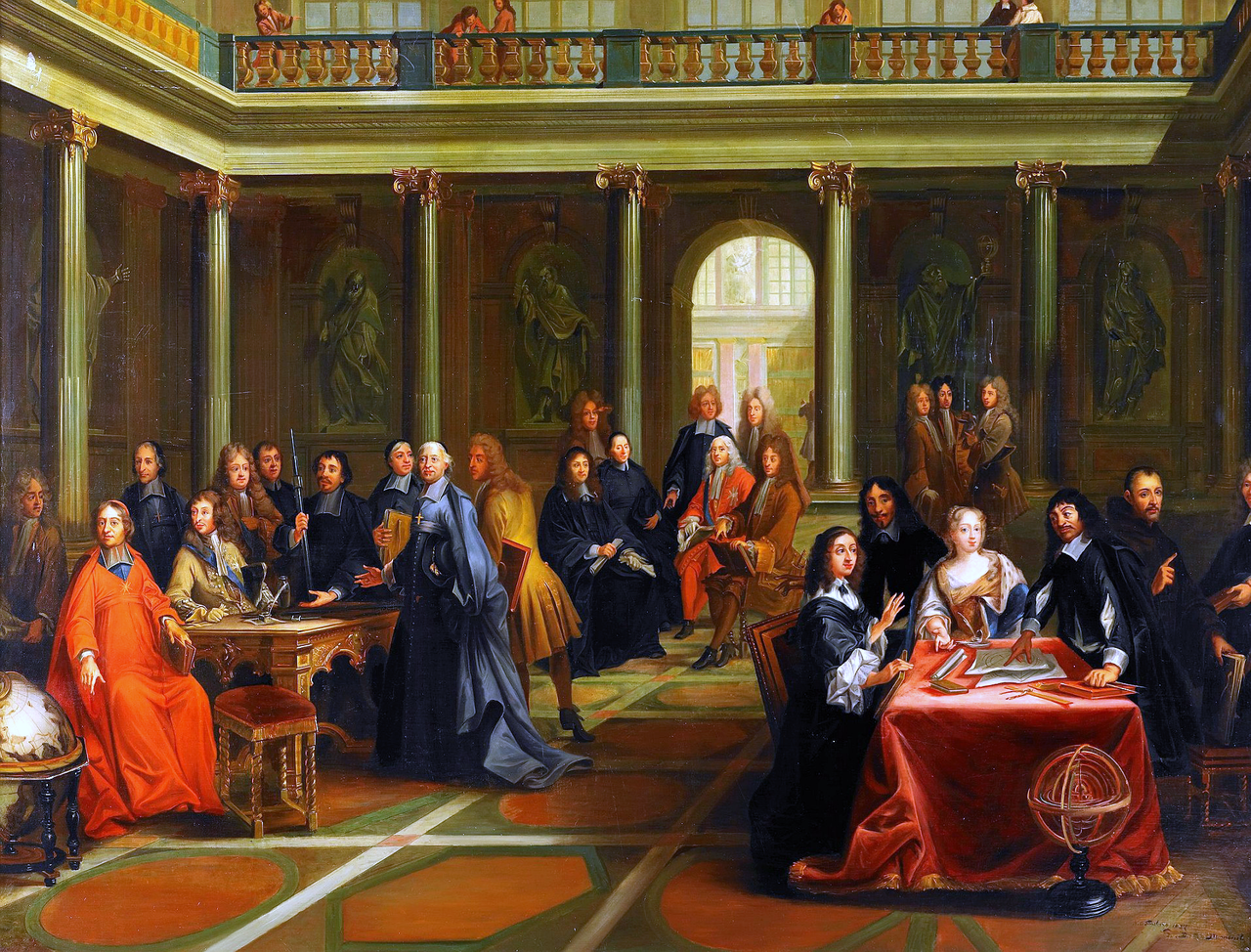
Early life and career
Born in La Haye en Touraine, Descartes received a classical education and studied law before choosing a life of independent study. In his youth he served for a time as a soldier and observer, an experience that exposed him to different intellectual currents and military engineering; contemporary descriptions note his time as a soldier. He later traveled widely in Europe and spent many productive years in the Dutch Republic and Sweden.
Philosophical method and dualism
Descartes developed a method that begins from systematic doubt: by questioning beliefs that can be doubted, he sought a secure foundation for knowledge. From that method he argued for the certainty of self-conscious thought and for the distinction between thinking substance and extended substance. This approach is often summarized as a form of dualism separating mind and matter, and it generated extensive discussion about the relation between mental and physical realms.
Mathematics and science
In mathematics Descartes contributed to the development of analytic geometry, linking algebra and geometry through coordinate methods that make it possible to describe curves by equations. Those ideas underpin what later became known as Cartesian coordinates. In natural philosophy he favored mechanistic explanations of physical phenomena, influencing the emergence of modern physics and the mathematization of nature; he is sometimes referenced as an important early physicist.
Major works and central ideas
- Discourse on the Method – sets out his method of systematic doubt and rules for inquiry.
- Meditations on First Philosophy – develops the argument for certain knowledge of the self and God, and examines the nature of the mind.
- Geometry – presents the algebraic treatment of geometric problems and foundations for Cartesian coordinates.
These texts shaped debates in epistemology, metaphysics and mathematics; they are often cited in surveys of early modern philosophy and the scientific revolution. Discussions of his mathematical work appear in treatments of mathematics and analytic methods.
Legacy and notable facts
Descartes' influence extends across disciplines: his methodological emphasis on clarity and distinctness informed later analytic traditions, while his geometric innovations provided tools for calculus and physics. Critics and interpreters have debated his dualism, his proofs for God, and his mechanistic physics. Today he remains a central figure in introductory accounts of modern philosophy and in histories of mathematics and science.
Questions and answers
Q: Who was René Descartes?
A: René Descartes was a famous French philosopher and physicist.
Q: What did he write?
A: He wrote books that are very important in the fields of maths, physics and especially philosophy.
Q: What is his dualism statement?
A: His dualism statement combined soul, mind, body theories and elements into one concept; a dualistic theory of mind and matter.
Q: When was he born?
A: He was born on 31 March 1596.
Q: When did he die?
A: He died on 11 February 1650.
Q: What did he do in his younger years? A: In his younger years, he was a mercenary soldier.
Author
AlegsaOnline.com René Descartes: life, philosophy, mathematics and scientific influence Leandro Alegsa
URL: https://en.alegsaonline.com/art/129386