
Charlotte Dawson: New Zealand–Australian model, television presenter and campaigner
Biography of Charlotte Dawson (1966–2014), New Zealand–Australian model and television presenter known for TV roles and campaigning against online abuse; her mental health struggles and death prompted public debate.
Charlotte Dawson (8 April 1966 – 22 February 2014) was a New Zealand–born model and television personality who lived and worked in Australia. She gained prominence as a fashion model from her teens and later became well known to Australian audiences through television roles, public commentary and outspoken campaigning against online harassment. Her life and death drew attention to the impact of sustained social media abuse on mental health.
Image gallery
2 Images
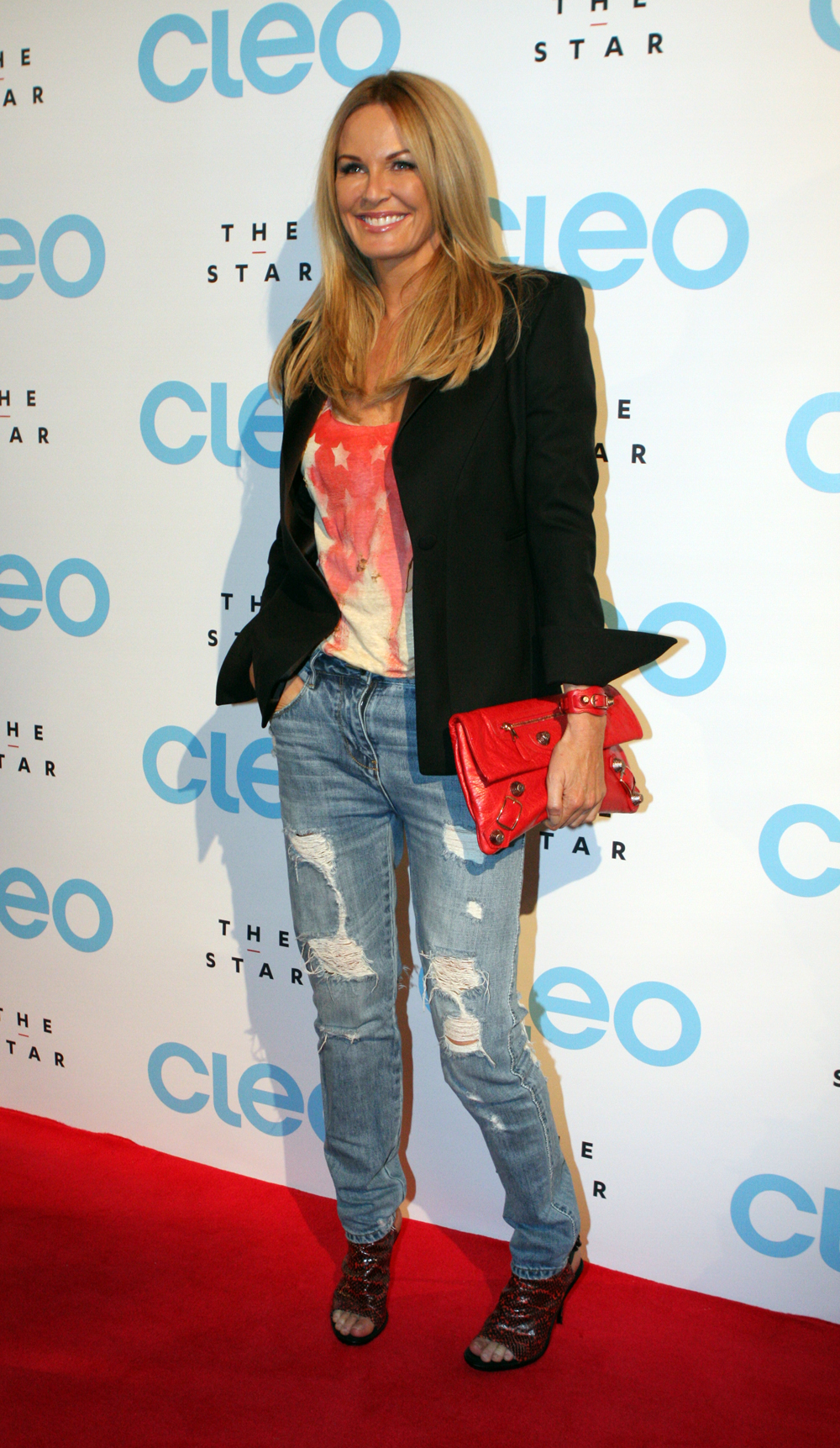
Early life and modelling career
Dawson was born in Auckland, New Zealand. She began modelling in her mid teens and worked in European fashion markets before taking assignments that brought her to the United States and other international centres. Her early work included editorial and commercial jobs and she was represented by agencies that placed models in major markets, which established her public profile and led to opportunities in television and media.
Television career
In Australia Dawson became a familiar television personality. She was a judge on Australia’s Next Top Model, where she combined industry experience with direct on-screen assessments of contestants, and she served as host and presenter on other entertainment formats, including The Contender Australia. Her television work kept her visible in the fashion and entertainment industries and brought her into the national spotlight.
Personal life
Dawson married Australian Olympic swimmer Scott Miller in 1999; the marriage was short-lived and the couple divorced in 2000. She lived for many years in Sydney, and her public life saw frequent media coverage of both professional activities and personal struggles.
Advocacy against online abuse
In later years Dawson used her profile to speak about the harms of online abuse and cyberbullying. She publicly condemned persistent trolling and abusive messages and took part in discussions about how social media platforms and public figures should respond to harassment. Her comments helped focus attention on the psychological effects of targeted abuse, particularly when directed at high‑profile individuals.
Mental health and death
Dawson had a long history of clinical depression and at times spoke openly about her difficulties. In August 2012 she made a suicide attempt following a period of intense online harassment; the episode was widely reported and prompted debate about the responsibilities of social networks and media commentators. On 22 February 2014 she died at her home in Woolloomooloo, Sydney. Police reported they were called at 11:18 a.m. and that there were no suspicious circumstances. Public figures, colleagues and political leaders responded to her death, and it renewed conversations about mental health care and protection from online cruelty.
Legacy
Charlotte Dawson's public life combined modelling, television presentation and advocacy. Her death prompted renewed calls for improved support for people experiencing mental illness and for stronger responses to cyberbullying. Media coverage and commentary in Australia and New Zealand reflected on both her contributions to entertainment and the wider social issues associated with online abuse.
Further reading and resources
- Profile and career overview
- Television roles and appearances
- Work on Australia's Next Top Model
- Biographical details and early life
- Modelling career in Europe
- Representation and agency information
- Media coverage of public appearances
- Accounts of personal life and relationships
- Reports on mental health struggles
- Details of her death and official statements
- Context about Woolloomooloo and Sydney residence
- Discussion of depression and clinical care
- Coverage of August 2012 incident and online harassment
- Official responses and public statements
- Tributes, obituaries and reflective commentary
For journalists, researchers and readers seeking more context, contemporary news reports and statements from public figures at the time provide primary-source coverage of Dawson's career, advocacy and the public reaction to her death. Her case remains frequently cited in discussions about social media conduct, platform moderation and the support systems available to people living with mental illness.
Related articles
Author
AlegsaOnline.com Charlotte Dawson: New Zealand–Australian model, television presenter and campaigner Leandro Alegsa
URL: https://en.alegsaonline.com/art/116294
Sources
- smh.com.au : "Charlotte Dawson found dead"
- theaustralian.com.au : "Celebrities and friends pay tribute to Charlotte Dawson, dead at 47"
- foxnews.com : "Australian TV personality Charlotte Dawson commits suicide"
- heraldsun.com.au : "Tributes flow following Dawson's death"