
Charles Kennedy
Charles Kennedy (1959–2015) was a British politician who led the Liberal Democrats from 1999 to 2006; known for his early rise, opposition to the Iraq War and a later public struggle with alcohol.
Charles Peter Kennedy (25 November 1959 – 1 June 2015) was a British politician who served as leader of the Liberal Democrats from 9 August 1999 until 7 January 2006 and as a Member of Parliament from 1983 until his death. He attracted attention for his rapid rise to national politics as a young MP from the Scottish Highlands, his role in shaping his party’s position on key issues in the early 2000s, and for a highly publicised period of personal difficulty that affected his leadership. For a concise overview see this summary.
Image gallery
5 Images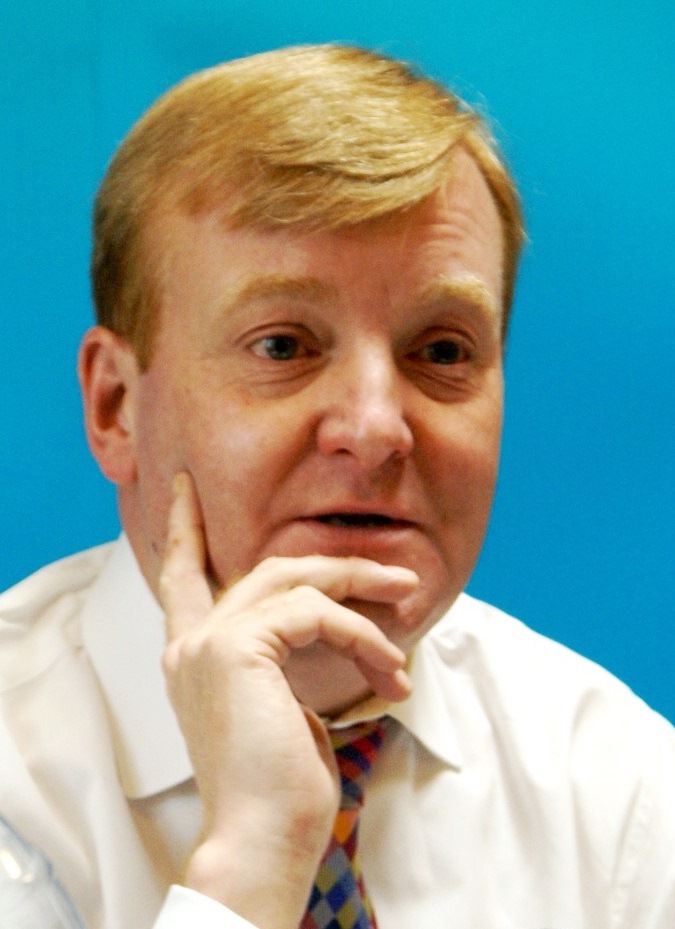


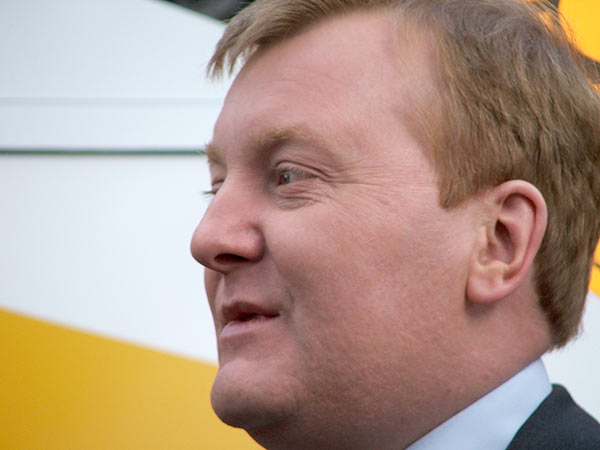

Early life and entry to Parliament
Born and raised in the Scottish Highlands, Kennedy came to national prominence when he won election to the House of Commons at the age of 23. He entered Parliament at a moment of flux in British politics, initially associated with the Social Democratic Party before that grouping merged with the Liberal Party to form the Liberal Democrats. His youthful energy, regional identity and effective constituency work helped establish him as a rising figure; biographical and electoral details can be found at this source.
Parliamentary career and party roles
During the 1990s Kennedy held senior roles within the Liberal Democrats, including serving as party president in the years before his election as leader. He was chosen to lead the party after his predecessor stepped down, taking on the position with a reputation for accessibility and amiability. His leadership aimed to expand the party’s national appeal while retaining its traditional focus on civil liberties and constitutional reform. A timeline of key offices and milestones is reproduced in party records and contemporary accounts at this material.
Policy positions and public profile
Under Kennedy’s leadership the Liberal Democrats emphasised issues such as electoral reform, protection of civil liberties, public services and a cautious approach to military intervention. The party became a prominent parliamentary opponent of the 2003 invasion of Iraq, a stance that helped to differentiate it from the two larger parties and that remains one of the defining elements of Kennedy’s national profile. Observers credited him with an informal, conversational campaigning style that appealed to many voters, though some colleagues argued the party needed a more combative approach; for analysis consult this review.
General elections and parliamentary performance
Kennedy led the Liberal Democrats through two United Kingdom general elections. The party consolidated its presence in many parts of the country and remained the third largest national political party during his tenure. Electoral analysts and post-election appraisals discuss how the party’s stance on public policy and its campaigning under Kennedy contributed to these results; further election detail is available at this election analysis and related reports at this overview.
Leadership challenge and resignation
In late 2005 questions about Kennedy’s health and alcohol use became a prominent part of media coverage and produced strains inside the parliamentary party. In early January 2006, after confirming that he had received treatment for drinking, Kennedy announced a leadership contest and said he would stand. The admission led to a rapid loss of confidence among many of his parliamentary colleagues and he resigned as leader on 7 January 2006, choosing not to contest the leadership election. Contemporary timelines and reporting on the challenge are summarised at this reference.
Later life, personal details and death
After stepping down as leader he continued to serve as an MP, representing Highland constituencies and remaining active on issues important to his constituents. In his private life he married in 2002 and later divorced; he was survived by his son. Kennedy’s difficulties with alcohol were publicly acknowledged and, in later years, were linked to health problems. He died at his home in Fort William on 1 June 2015; accounts of his later life and the circumstances of his death are discussed in contemporary reports and tributes at this source.
Legacy and assessment
Assessments of Charles Kennedy’s career tend to juxtapose his personal warmth, his appeal to many voters and his role in shaping the Liberal Democrats’ opposition to the Iraq War with criticisms of his management style and the strains of leadership. He is remembered in political histories and obituaries as a significant figure in late twentieth‑ and early twenty‑first‑century British liberal politics. Retrospectives, scholarly appraisals and collections of obituaries and remembrances provide further context and are gathered at this compilation.
Questions and answers
Q: What was Charles Peter Kennedy's date of birth?
A: Charles Peter Kennedy was born on 25 November 1959.
Q: When did he become the leader of the Liberal Democrats?
A: He became the leader of the Liberal Democrats in August 1999.
Q: How old was he when he became an MP for Ross, Cromarty & Skye?
A: He was 23 years old when he became an MP for Ross, Cromarty & Skye.
Q: What position did he hold from 1994-1998?
A: From 1994-1998, Kennedy held the position of President of the Liberal Democrats.
Q: When did speculation arise regarding his alcohol consumption?
A: Speculation regarding his alcohol consumption arose in December 2005.
Q: Who took over as interim leader after Kennedy resigned as leader on 7 January 2006?
A: After Kennedy resigned as leader on 7 January 2006, Deputy Leader Sir Menzies Campbell took over as interim leader and was elected as leader on 2 March 2006.
Q: Where was Charles Peter Kennedy born?
A: Charles Peter Kennedy was born in Inverness, Scotland.
Related articles
Author
AlegsaOnline.com Charles Kennedy Leandro Alegsa
URL: https://en.alegsaonline.com/art/116215
Sources
- news.sky.com : Ex-Lib Dem Leader Charles Kennedy Dies Aged 55