
Byron Keith
American character actor (1917–1996) who appeared in supporting film and television roles; widely remembered as Mayor Linseed on the 1960s Batman TV series.
Overview
Byron Keith (November 17, 1917 – January 19, 1996) was an American actor whose work spanned stage, film and television. He became known for steady supporting performances rather than leading parts, contributing memorable small roles that helped define mid-20th century popular dramas and comedies.
Image gallery
1 Image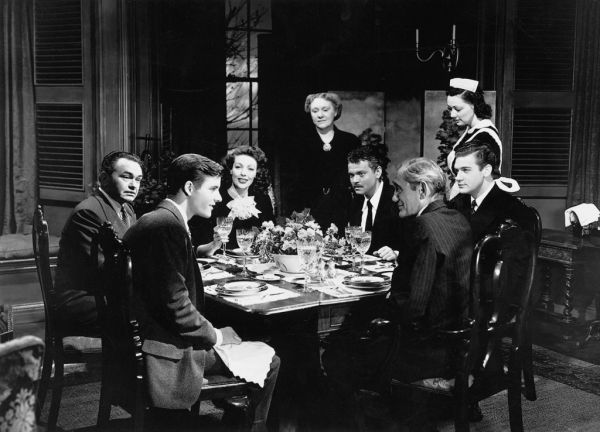
Career beginnings and film work
Keith's screen career began after World War II. He made his film debut in the 1946 thriller The Stranger, directed by and starring Orson Welles. Over the next two decades he was cast primarily in character parts, frequently portraying officials, businessmen or other urbane figures. Like many working actors of the era, he moved between movies and the expanding world of television, taking assignments that required a reliable, recognizable presence.
Television and a signature part
On television Keith achieved his most enduring recognition for a recurring role on the 1960s television series Batman. He played Mayor Linseed of Gotham City, a character that fit the program's campy, comic-book tone: a well-meaning local official often caught up in the outrages and escapades of the Caped Crusader. His appearances added a civic foil to the show's rogues' gallery and helped cement the series' broad, tongue-in-cheek appeal.
Selected credits
- The Stranger (1946) – film debut
- Batman (1960s TV series) – recurring as Mayor Linseed
- Multiple supporting and guest roles on American television programs of the 1950s and 1960s
Keith retired from acting around 1970 after a career of mostly supporting work that exemplified the era's dependable character player. He was born in El Paso, Illinois, on November 17, 1917, and he died on January 19, 1996 in his Los Angeles home of a heart attack at age 78.
Legacy
While Byron Keith never achieved star billing, his steady presence across film and television typifies the many skilled performers whose faces became familiar to audiences through recurring small parts. His Mayor Linseed remains the role most frequently cited by fans of the period, and his work illustrates how character actors contributed both texture and continuity to mid-century American screen storytelling.
Related articles
Author
AlegsaOnline.com Byron Keith Leandro Alegsa
URL: https://en.alegsaonline.com/art/115804
Sources
- movies.nytimes.com : "Byron Keith filmography"