
Busby Berkeley: Hollywood choreographer and film director
Innovative American film choreographer and director (1895–1976) known for kaleidoscopic overhead shots, geometric patterns, and large-scale musical production numbers in 1930s Hollywood.
Busby Berkeley (29 November 1895 – 14 March 1976) was an American Hollywood movie director and musical choreographer celebrated for staging elaborate production numbers. Working chiefly in the 1930s, he created tightly choreographed sequences that turned groups of performers into moving geometric designs and bold visual spectacles.
Image gallery
4 Images


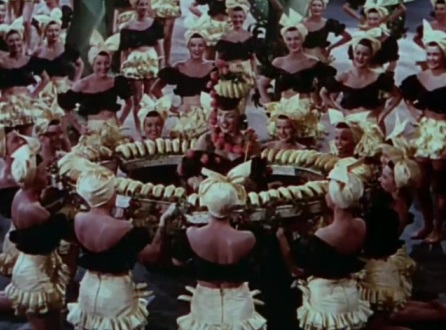
Style and technical features
Berkeley's hallmarks include overhead crane shots, rotating and zooming camera movements, close-up fragments of bodies, mirror-like symmetry and repeated patterns that emphasize shape over individual identity. He used innovative camera setups, carefully timed movement and often filmed dancers from above to produce kaleidoscopic effects. The result was a visual abstraction that made a chorus line read like a dynamic architectural motif.
Notable films and examples
His best-known work appears in Depression-era musicals that combined showmanship with escapism. Key films include Gold Diggers of 1933, 42nd Street and Footlight Parade. He also staged production numbers in titles that featured younger stars; for example, some later MGM sequences connected him indirectly with performers such as Mickey Rooney and Judy Garland. Many of these pieces were produced as entertainment during the Great Depression, when lavish musical spectacles offered audiences fantastical diversion.
Berkeley's work was not only choreography but cinematic design: he often thought in terms of camera movement and editing, creating routines that functioned only on film rather than on stage. His numbers made extensive use of cutaways, overlays and inventive framing to create a sense of scale and motion beyond the dancers themselves.
Historical context and development
He began staging musical revues and moved into film at a moment when Hollywood studios were exploring sound and spectacle. The economic and social pressures of the 1930s helped fuel demand for optimistic entertainment, and Berkeley's sensory excess suited the era's appetite for showy musicals. He worked within the studio system, where large budgets and disciplined rehearsal schedules allowed him to realize complex patterns on screen.
Legacy and critical reception
Berkeley's visual vocabulary influenced later directors, choreographers and music-video makers; his emphasis on cinematic choreography anticipated techniques used in television and popular music films. Critics and historians praise his imagination and technical daring, while some commentators have argued that his style objectified performers by subsuming individual personalities into abstract designs. Today his sequences are studied as examples of how choreography and camera work can combine to create cinematic invention.
For readers interested in exploring his films and documented sequences, contemporary retrospectives and film-study anthologies examine both the practical methods he used and his cultural impact on musical cinema and popular visual culture.
Related articles
Author
AlegsaOnline.com Busby Berkeley: Hollywood choreographer and film director Leandro Alegsa
URL: https://en.alegsaonline.com/art/115788
Sources
- pscemetery.com : Palm Springs Cemetery District, "Interments of Interest"