
Buster Crabbe: Olympic Champion and Pulp-Serial Film Star
Clarence "Buster" Crabbe (1908–1983), American Olympic swimmer turned actor, won Olympic swimming medals and became famous for playing Flash Gordon, Buck Rogers and Tarzan in 1930s serials and films.
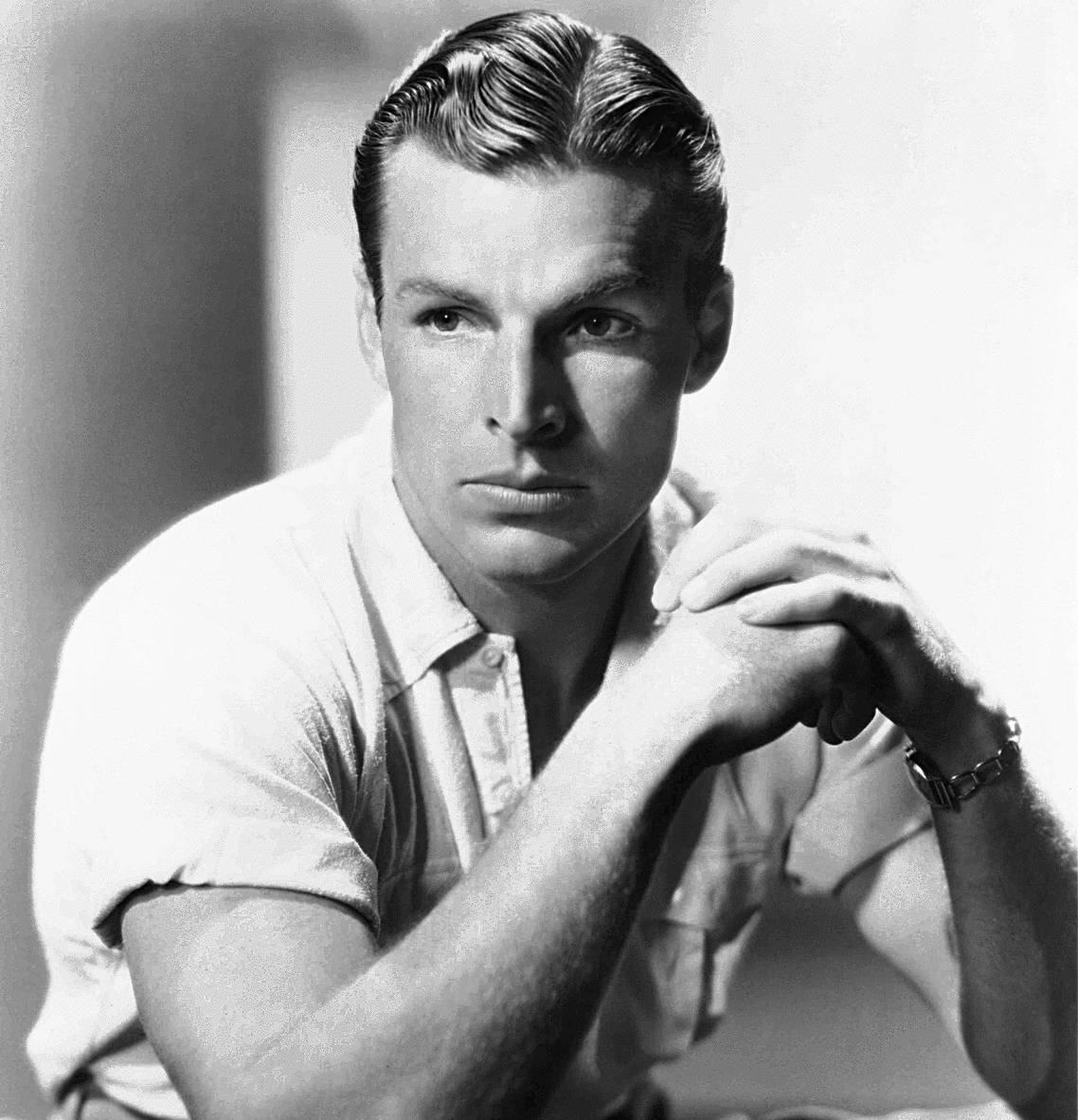
Clarence Linden "Buster" Crabbe II was an American athlete and performer whose career bridged competitive swimming and popular cinema. Born in 1908, Crabbe rose to national attention as an elite freestyle swimmer, then moved into Hollywood where he became one of the best-known faces of 1930s and 1940s film serials and B-movies. His unique combination of athletic prowess and screen presence made him a natural for action roles and pulp-hero adaptations.
Image gallery
8 Images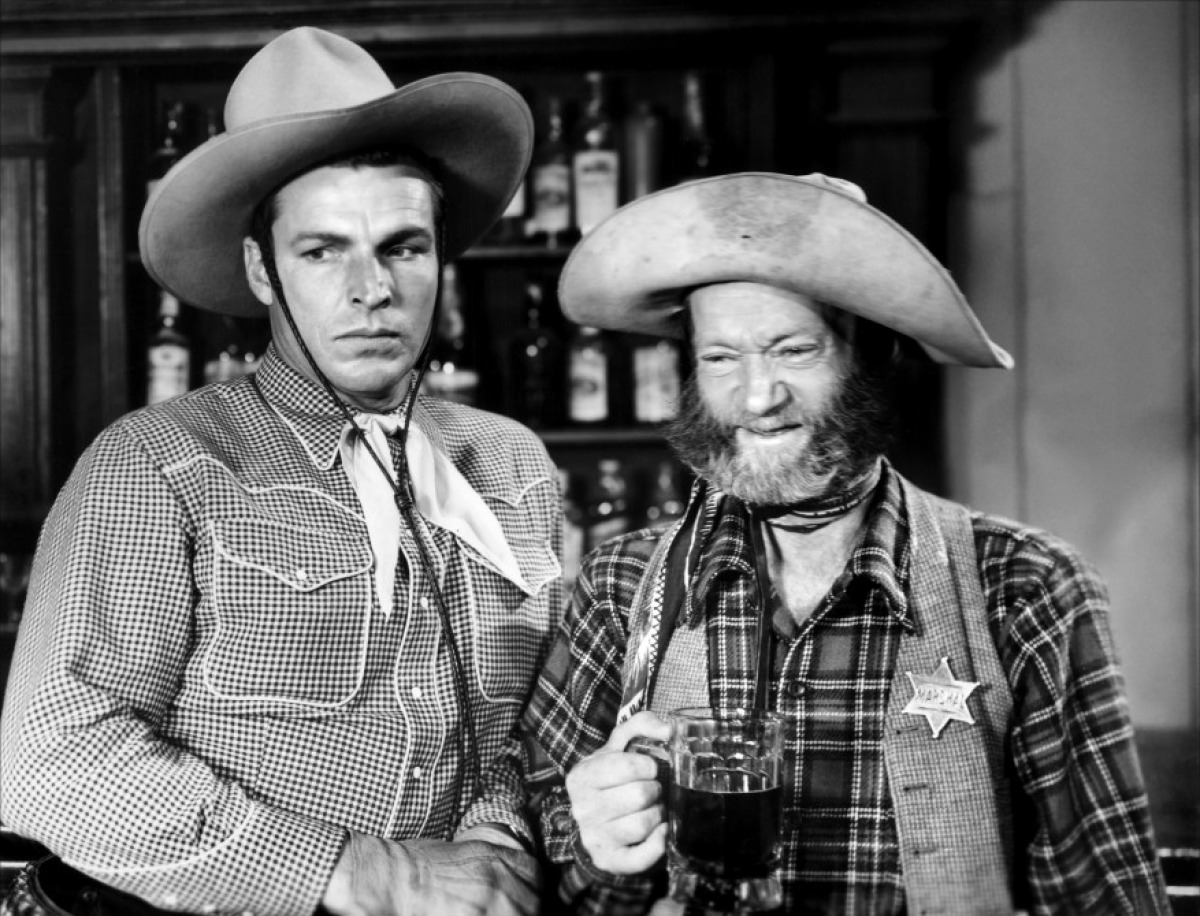


Early life and athletic achievements
Crabbe began swimming in childhood and later attended the University of Southern California, where he was among the first university swimmers to achieve wide acclaim. He represented the United States at two Olympic Games, earning a bronze medal in 1928 and a gold medal in 1932 in the 400-metre freestyle. Over his competitive career he set a large number of national and world marks, and was widely regarded as one of the era's leading distance freestylers. His athletic background supplied the physical skills that would serve his later screen roles.
Film and television career
After his Olympic successes Crabbe relocated to Hollywood and began a prolific career in genre cinema. He starred in more than a hundred feature films, many produced as low-budget "B" pictures, and headlined several movie serials that were shown episodically in theaters. His most famous screen persona was the science-fiction hero Flash Gordon, whom he portrayed in multiple serial productions during the 1930s. He also played other iconic pulp characters of the period, notably Buck Rogers and Tarzan, a distinction that remains notable among screen actors.
Later work and business ventures
In the late 1940s and early 1950s Crabbe expanded into live entertainment and television. He created and toured a water-themed show, then moved into broadcasting as the host of a children's program in New York City and as the star of the adventure series Captain Gallant of the Foreign Legion, produced for national television. Outside performing, he developed business interests connected to swimming and recreation, including a chain of swim pool enterprises. Later in life he retired to Arizona and remained a recognized figure for both his athletic and cinematic accomplishments.
Legacy and notable distinctions
Buster Crabbe is remembered for the rare trajectory from Olympic champion to screen action star. He is often cited as the only actor to have portrayed, on screen, three of the most popular pulp-era heroes of the 1930s: Flash Gordon, Buck Rogers and Tarzan. His work helped define the serial-adventure format that influenced later generations of science-fiction and superhero adaptations. Although many of his films were produced on modest budgets, they reached wide audiences in their day and contributed to the popular imagery of genre heroes.
Selected films, television and honors
- Olympic medals: 1928 (bronze) and 1932 (gold) in freestyle events; collegiate and national championships at USC. See Olympic records and USC athletics.
- Flash Gordon serials and matinee adventures (1930s). More on the role: Flash Gordon.
- Portrayals of Buck Rogers and Tarzan among many genre films. Profiles: Buck Rogers, Tarzan.
- Television: host work in New York City and the NBC-era series Captain Gallant on NBC.
Further reading and resources
- Biographical overview and timeline
- Filmography and credits
- Television appearances
- Contemporary press coverage
- Olympic competition details
- Flash Gordon serials
- Movie serials overview
- Pulp fiction context
- Buck Rogers portrayals
- Tarzan film history
- University of Southern California history
- 1928 Olympic Games
- Hollywood during the 1930s
- Western and genre films
- B-movie production context
- Accounts of live shows and tours
- Children's television hosting
- New York City television history
- NBC network context
- Adventure television genre
- Captain Gallant of the Foreign Legion
- Later life and residency in Scottsdale
While many of Crabbe's films were commercial rather than critical successes, his dual reputation as an Olympic athlete and a screen action hero secures his place in both sports and entertainment history. For viewers and researchers today, his work offers insight into the development of serialized storytelling and the early popular culture of American heroes.
Questions and answers
Q: What was Buster Crabbe's profession?
A: Buster Crabbe was an American Olympic swimmer, and a movie and television actor.
Q: How many medals did he win in the Olympics?
A: He won a bronze medal in the 1928 Summer Olympics and a gold medal in the 1932 Summer Olympics.
Q: What roles did he play in movies?
A: He played the heroes in 103 feature length jungle, crime, drama, and western B-movies as well as the heroes in nine movie serials. He is also known for playing science fiction hero Flash Gordon in three movie serials.
Q: What other characters did he portray?
A: He is the only actor to have played the three most popular pulp fiction heroes of the 1930s — Flash Gordon, Buck Rogers, and Tarzan.
Q: When did he retire from acting?
A: In the late 1940s, Crabbe left movies to put together his own water show. He got into debt and looked for ways to make money so he turned to television. After his debts were paid, his acting skills grew less in demand so he developed several business interests including Buster Crabbe Swim Pools before retiring to Scottsdale, Arizona.
Q: Where did he die?
A: He died of a heart attack in Scottsdale, Arizona in 1983.
Related articles
Author
AlegsaOnline.com Buster Crabbe: Olympic Champion and Pulp-Serial Film Star Leandro Alegsa
URL: https://en.alegsaonline.com/art/115792
Sources
- nytimes.com : "Buster Crabbe, Swimmer and Actor, dies at 75"