
Buddy Bolden
Charles “Buddy” Bolden, influential African-American cornetist from New Orleans credited with shaping early New Orleans jazz and rhythmic innovations; no recordings survive but his legacy persists.
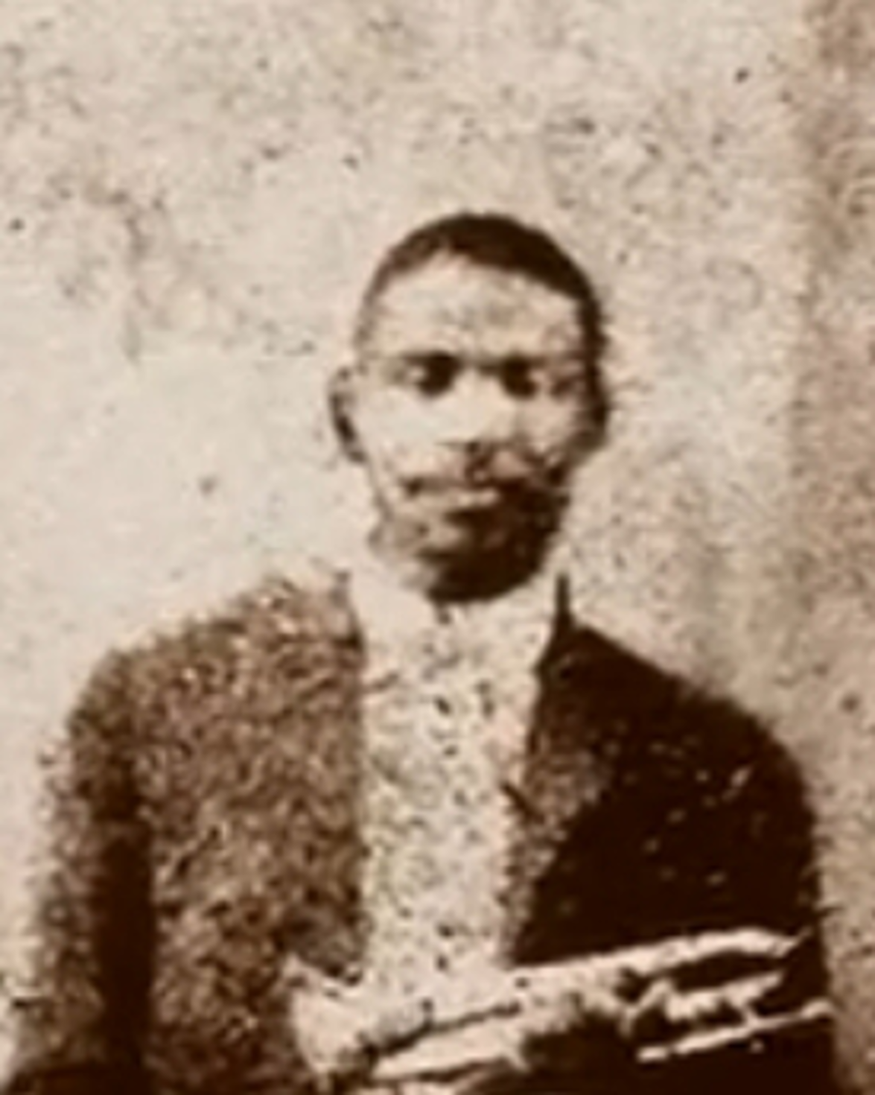
Charles "Buddy" Bolden (commonly called Buddy Bolden) was an African-American cornetist and bandleader active in late 19th- and early 20th-century New Orleans. He is widely remembered as an energetic performer whose loud tone, improvisatory style and rhythmic drive helped move ensemble music toward what became modern jazz. Bolden's exact biography blends documented fact and local memory, and no known commercial recordings of his playing survive.
Image gallery
5 Images

Life and career
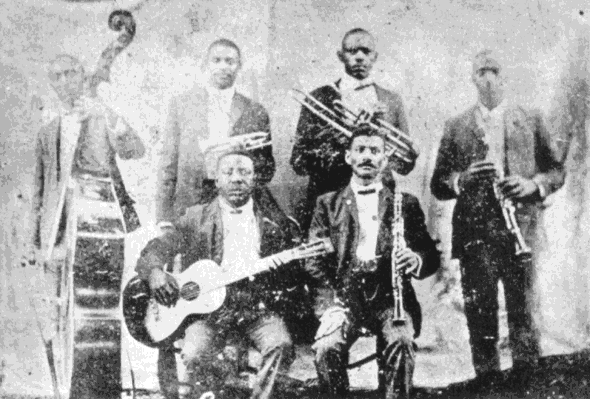
Bolden led a popular dance band that played around New Orleans for roughly a decade. His repertory drew on marches, blues, and popular piano styles, including ragtime, but he and his band reworked those materials with freer phrasing and emphasis on collective improvisation. Contemporary accounts describe him as a commanding presence whose loud cornet could be heard through the streets and halls where his band performed.
Style and influence
Musical observers credit Bolden with contributing several innovations often associated with early jazz: a new kind of syncopation sometimes called the "big four," a blues-inflected approach to melody and soloing, and a focus on rhythmic momentum over strict adherence to written arrangements. He played the cornet and encouraged bandmates to respond spontaneously, which helped shape the ensemble interaction central to New Orleans jazz.
Although Bolden left no recordings, his reputation spread through musicians who heard him and later recounted his performances. Figures in the next generation of New Orleans players acknowledged his role as a local exemplar and a catalyst for change in popular wind-band music.
Legacy and notable facts
- No commercial recordings are known to exist of Bolden's playing; knowledge of his sound comes from interviews, newspaper accounts and reminiscences.
- In 1907 Bolden was committed to a psychiatric institution and spent the remainder of his life in care; he died in 1931. This abrupt end contributed to his mythic status.
- Scholars treat Bolden as a pivotal, though partly legendary, figure in the transition from ragtime and brass-band music to New Orleans jazz.
Because Bolden's life sits at the boundary between recorded history and oral tradition, modern assessments balance admiration for his reported innovations with caution about specifics. He remains a symbol of New Orleans's role in the birth of jazz and a touchstone for discussions of early African-American musical creativity.
Related articles
Author
AlegsaOnline.com Buddy Bolden Leandro Alegsa
URL: https://en.alegsaonline.com/art/115751