
Buddy Hackett
American comedian and actor Leonard “Buddy” Hackett (1924–2003), known for his warm, improvisational stand-up, television variety appearances and film roles including Scuttle in The Little Mermaid and Paulie.
Buddy Hackett (born Leonard Hacker; August 31, 1924 – June 30, 2003) was an American stand-up comedian and character actor whose career spanned more than five decades. With a conversational delivery, improvisational instincts and an outspoken, warm persona, he became a familiar presence in nightclubs, on television variety shows and in films from the 1950s through the 1990s.
Image gallery
2 Images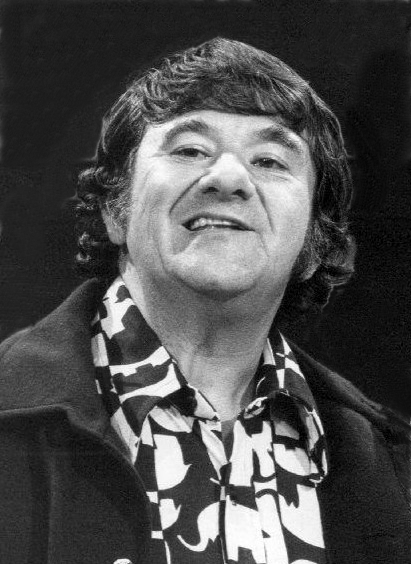

Early life and career beginnings
Hackett grew up in Brooklyn, New York, and began performing in local clubs and resort circuits that cultivated many midcentury comedians. He developed a nightclub act built around storytelling, quick riffs and a distinctive laugh. Those early engagements led to repeated television invitations and a transition into supporting roles in motion pictures.
Comedic style and public image
His comedic voice combined self-deprecating humor, observational jokes and an occasional burlesque edge. Audiences and peers remembered Hackett for his easy rapport, ability to improvise, and a delivery that felt like an intimate, comic conversation. He drew on popular and Jewish-American comedic traditions without becoming narrowly topical, which helped his material age well across decades.
Notable roles and appearances
- Feature and ensemble films, including a role in the large-cast comedy It’s a Mad, Mad, Mad, Mad World (1963).
- Voice work for animation, most famously the seagull Scuttle in Disney’s The Little Mermaid (1989).
- Late-career appearances such as the supporting role of Artie in Paulie (1998), among many television guest spots and specials.
Throughout his life Hackett moved fluidly between live performance, television variety shows and movies, making him a recognizable figure to multiple generations. His longevity reflected both a resilient stagecraft and an ability to adapt his comic persona to changing media.
Legacy
Hackett is remembered as a dependable comic character actor and a warm storyteller whose work influenced later stand-up performers who favored conversational, anecdotal material. He remained active in entertainment for decades and is often cited as an example of midcentury American club comedy that successfully crossed into mainstream film and family entertainment.
Related articles
Author
AlegsaOnline.com Buddy Hackett Leandro Alegsa
URL: https://en.alegsaonline.com/art/115756