
Bimini (Bahamas): islands, wildlife, history and fishing
Westernmost Bahamian district of small islands known for sport fishing, coral reefs, unique reptiles, and a history that attracted writers and anglers. Main settlement: Alice Town.
Overview
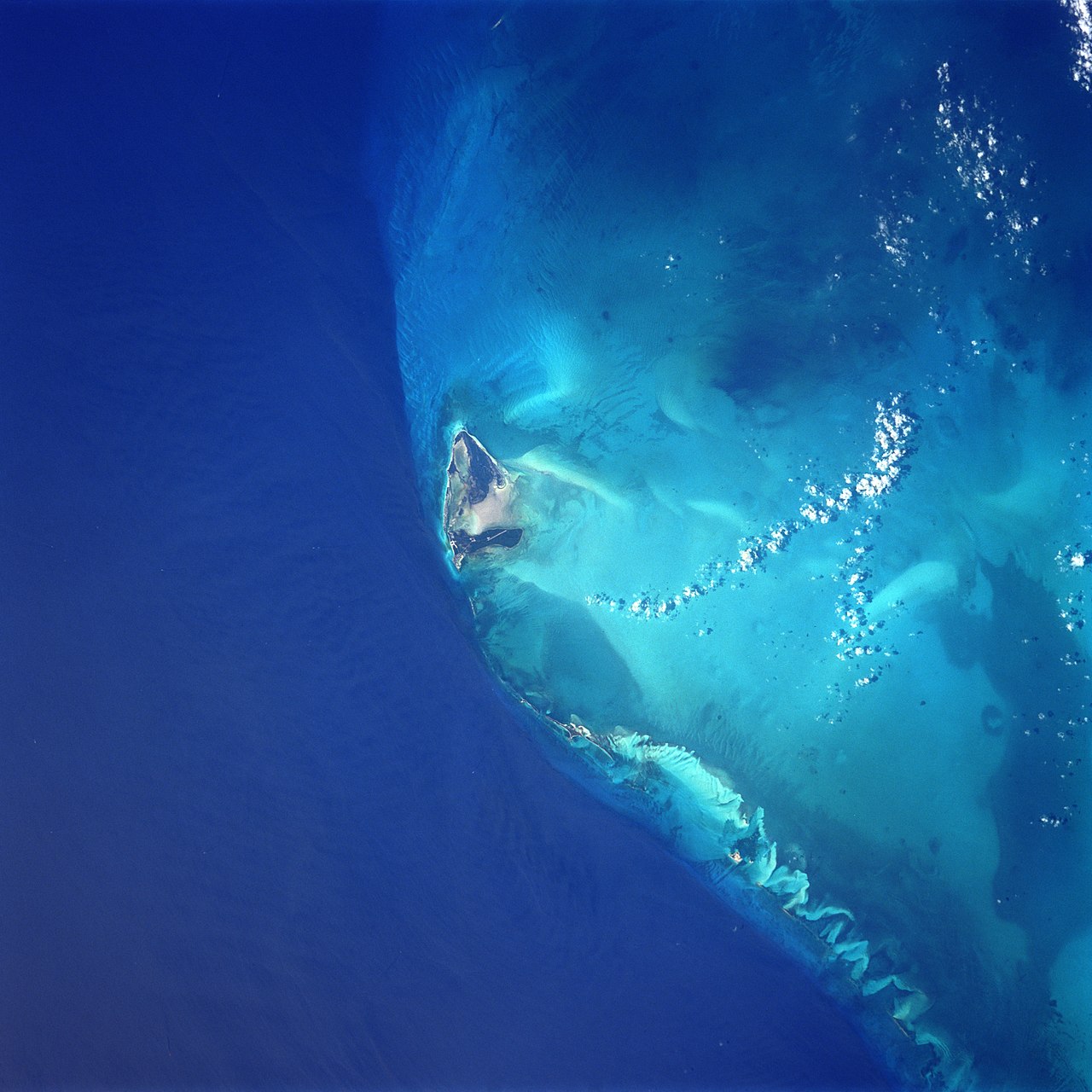
Bimini is the westernmost district of the Commonwealth of the Bahamas, a compact chain of islands and cays best known for its proximity to the United States and its marine-based economy. It is the closest point in the Bahamas to the U.S. mainland, a geographic fact often emphasized by visitors and transport services closest point to the U.S.. The island group lies roughly west-northwest of the Bahamian capital city, Nassau distance from Nassau, and supports a small resident population of about 1,600 people concentrated in a few settlements.
Image gallery
3 Images

Geography and access
Bimini comprises two main populated islands, commonly called North Bimini and South Bimini, together with numerous smaller cays and shallow banks. Alice Town on North Bimini functions as the principal town and service center. South Bimini houses the local airfield, South Bimini Airport, and smaller harbors. Travel to Bimini is by small commercial flights, private planes, ferries and pleasure craft; the short travel time from nearby coastal points on the mainland makes it a popular weekend and sport-fishing destination.
Natural environment and wildlife
The islands sit amid warm Bahamian waters, fringe reefs, mangrove-lined inlets and sandy flats that support diverse marine life and coastal habitats. Bimini is home to several locally distinctive reptiles and marine species, including:
- Bimini boa — one of the larger native reptiles observed on the islands.
- Bimini ameiva — a common, fast-moving lizard frequenting open sandy areas and littoral vegetation.
- Smalltooth sawfish — a rare and nationally/internationally vulnerable species found in surrounding waters; it is the subject of protective measures in many jurisdictions.
- Spiny dogfish — among the variety of fishes recorded offshore and in deeper channels.
Coral reefs, seagrass beds and mangroves provide nursery habitat for many commercial and sport-fish species, and the region is prized for sighting larger pelagic fish as well as for bonefishing in shallow flats.
History, culture and notable visitors
Bimini has a long human presence tied to fishing, boatbuilding and small-scale trade. It entered wider popular awareness in the 20th century when writers and anglers visited and stayed on the islands. Notably, the American author Ernest Hemingway lived and fished on Bimini during the mid-1930s Ernest Hemingway, an association that contributes to the islands’ literary and tourist cachet. The surrounding waters and seabed also feature interesting geological formations; one underwater limestone feature near North Bimini has attracted speculation and amateur research.
Economy, recreation and conservation
Bimini’s economy is dominated by tourism and recreational fisheries: charter boat fishing, diving, snorkeling, and small-scale hospitality services form the backbone of local employment. The islands are internationally known as a destination for big-game fishing and bonefishing, drawing seasonal anglers and tournament activity. Because of the ecological sensitivity of coral reefs, seagrass beds and endangered species like the smalltooth sawfish, conservation initiatives and local regulations seek to balance tourism with protection of habitats and wildlife. Ongoing efforts include fisheries management, protected-area designations, and community-based conservation projects aimed at sustaining the natural and cultural resources that define Bimini.
Practical notes
Visitors should plan for limited infrastructure, bring necessary supplies for marine activities, and respect local rules on fishing and wildlife interaction. The islands’ compact size makes them easy to explore by foot, bicycle or short boat trips, and Alice Town provides basic services, lodging and access points for reef and flats excursions.
Related articles
Author
AlegsaOnline.com Bimini (Bahamas): islands, wildlife, history and fishing Leandro Alegsa
URL: https://en.alegsaonline.com/art/11574
Sources
- islands.thebahamian.com : "The Bahamian" Reference Page
- jonesbahamas.com : "Bimini Landmark Destroyed"
- www6.miami.edu : Reptiles of Bimini