
Brian Cowen: Irish political leader and Taoiseach (2008–2011)
Brian Cowen is an Irish politician who led Fianna Fáil and served as Taoiseach from May 2008 to March 2011, presiding during Ireland’s financial crisis and a major realignment in Irish politics.
Brian Cowen (born 10 January 1960) is an Irish politician best known for serving as Taoiseach — the head of government or prime minister — of the Republic of Ireland from 7 May 2008 until 9 March 2011. He became leader of the Fianna Fáil party after the resignation of Bertie Ahern, and led a party that had been central to Irish politics for much of the 20th and early 21st centuries.
Image gallery
5 Images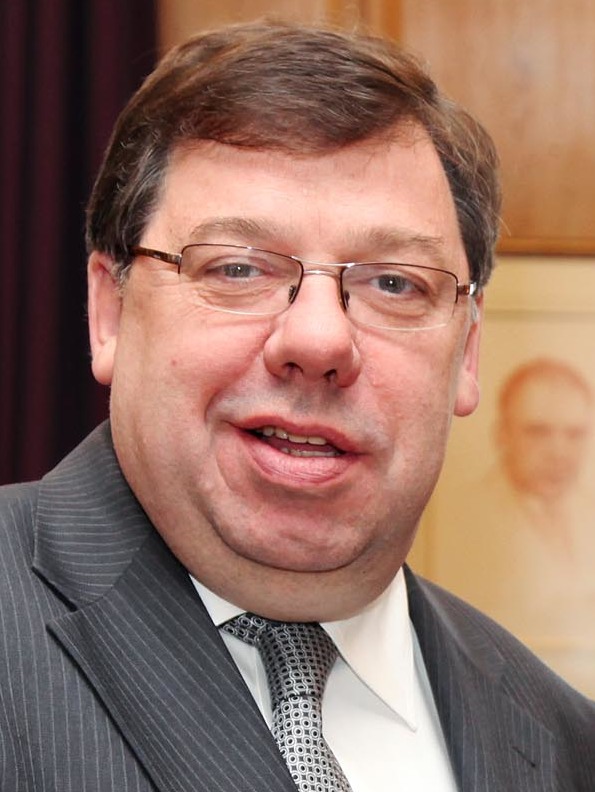


Overview of career
Cowen spent many years in senior government roles before becoming party leader and Taoiseach. He held several cabinet portfolios and was widely regarded as a senior figure within Fianna Fáil. His term as Taoiseach coincided with the global financial crisis; domestic banking problems and a deep recession dominated the political agenda during his time in office.
Government, coalition and support
During parts of his national political career, Fianna Fáil governed in coalition with other parties, including the Progressive Democrats and the Green Party, and at times relied on support from Independent TDs. Coalition arrangements and parliamentary support shaped policy choices and the government's capacity to respond to economic shocks.
Economic crisis and international assistance
As Taoiseach and as a former finance minister, Cowen was a central figure in managing Ireland’s response to a banking and fiscal crisis that followed the collapse of a property bubble. The government introduced emergency measures to stabilise the banking sector and public finances. In late 2010 the Irish state entered a programme of international financial assistance, which became a defining element of Cowen’s tenure and of contemporary Irish political history.
2011 election and aftermath
Cowen led Fianna Fáil into the 2011 general election following a period of sharply falling public support for the party. The election resulted in a substantial defeat for Fianna Fáil, after which he resigned the party leadership and lost his parliamentary seat. The outcome marked a major realignment in Irish politics and prompted reflection on economic management, regulation and party leadership.
Legacy and notable points
- His premiership is often discussed in the context of the global financial crisis and Ireland’s fiscal response.
- Observers note the electoral collapse of Fianna Fáil in 2011 as one of the most significant shifts in modern Irish party politics.
- Debate over policy choices, banking oversight and crisis communication has continued to shape assessments of his leadership.
For further reading on Ireland’s political institutions and the period of Cowen’s leadership, consult general overviews and analyses of Irish government and recent economic history available from reputable sources. See also materials on Fianna Fáil’s history and the roles of coalition partners such as the Progressive Democrats and the Green Party. Fianna Fáil remains an important reference point when tracing the developments of that era.
Related articles
Author
AlegsaOnline.com Brian Cowen: Irish political leader and Taoiseach (2008–2011) Leandro Alegsa
URL: https://en.alegsaonline.com/art/115600