
Billy the Kid (ballet)
One-act ballet by Aaron Copland with a libretto attributed to Lincoln Kirstein, premiered 1938; a landmark American ballet combining frontier themes, dance, and a popular orchestral score.
Billy the Kid is a one-act ballet created in the late 1930s that portrays a stylized, mythic version of the American West. The scenario—usually credited to Lincoln Kirstein—draws loosely on the legendary outlaw Billy the Kid and on broadly drawn frontier types rather than attempting a strict historical biography. Aaron Copland composed the score, which blends original themes with references to folk and cowboy tunes; the dances were staged by Eugene Loring while Jared French provided scenery and costumes.
Image gallery
2 Images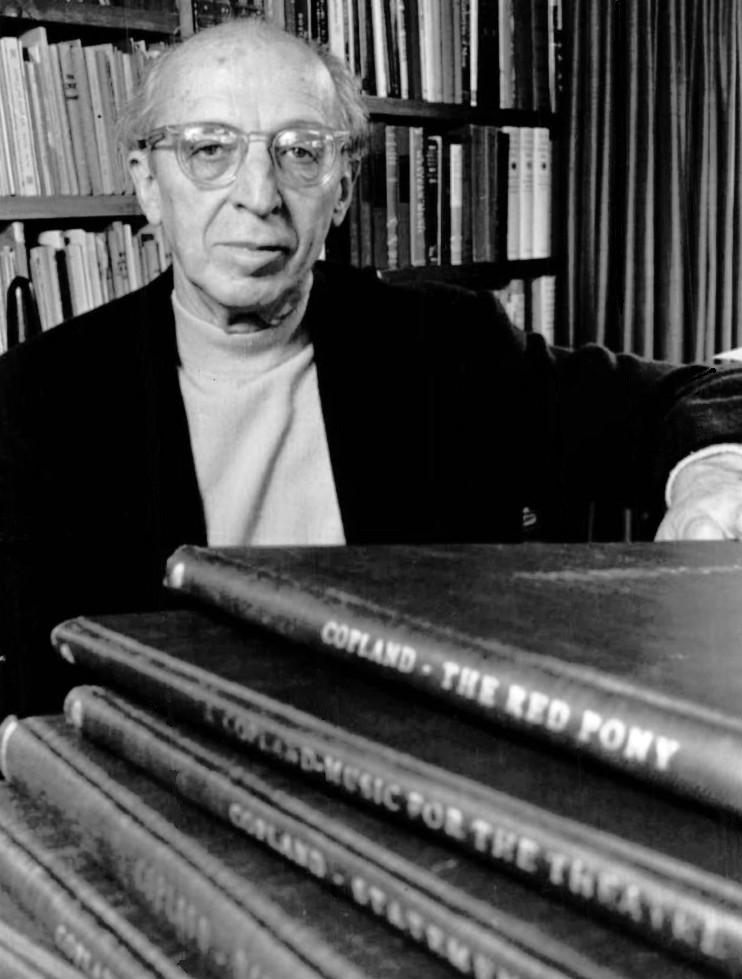

Creators and artistic approach
The work brought together several artists associated with an emerging American ballet identity. Copland’s music aimed for clarity, open textures and rhythms that suggested wide landscapes and energetic square dances; it quickly became one of his best-known stage scores. The libretto, attributed to Lincoln Kirstein, set up a compact dramatic arc with a small cast of vivid figures: the outlaw Billy, his mother, a Mexican sweetheart, a sheriff and townspeople. Eugene Loring’s choreography combined classical technique with vernacular steps—square-dance patterns, a Mexican dance, and a choreographed gun-battle sequence—to create theatrical characters rather than purely abstract dance.
Structure and notable episodes
- Opening and street scenes that evoke frontier towns and daily life.
- Dance episodes representing social gatherings (square dances, a Mexican dance) that contrast communal ritual with Billy’s isolation.
- A dramatic gun-battle and the killing of Billy, staged with choreography and music to heighten theatrical tension.
- Final episodes that close the action and reflect on the consequences of violence.
The score contains moments that orchestras and concert audiences adopted separately as an orchestral suite; several excerpts are frequently performed in symphonic programs and on recordings.
Premiere and early productions
The ballet premiered in Chicago in October 1938 and was presented in New York the following year. The original staging history is notable: early performances in Chicago led to a New York run at the Martin Beck Theater on May 24, 1939, with Loring himself dancing the role of Billy and Marie-Jeanne in the dual role of Mother and Mexican Sweetheart. Later in 1939, during the Christmas week season at the St. James Theater, Michael Kidd danced Billy opposite Alicia Alonso in the featured female parts. These milestones reflect the ballet’s quick integration into American stage repertory and touring programs.
Importance and legacy
Billy the Kid remains important for its role in defining an American style of ballet that used national themes and vernacular material. Copland’s score helped shape the popular image of the Western landscape in 20th-century American music, and the ballet’s dances influenced subsequent choreographers interested in blending classical technique with folk idioms. For further details on the work, its scenario and Copland’s music, see references on the ballet as a one-act work (one-act ballet), libretto issues (libretto), the historical figure (Billy the Kid), Aaron Copland’s composition (Aaron Copland), the Chicago premiere (Chicago) and the New York presentations (New York).
Questions and answers
Q: What is Billy the Kid?
A: Billy the Kid is a one-act ballet based on the life of Billy the Kid.
Q: Who wrote the libretto for Billy the Kid?
A: Lincoln Kirstein is credited with writing the libretto for Billy the Kid.
Q: Who composed the music for Billy the Kid?
A: Aaron Copland composed the music for Billy the Kid.
Q: Who designed the dances for Billy the Kid?
A: Eugene Loring designed the dances for Billy the Kid.
Q: Who designed the scenery and costumes for Billy the Kid?
A: Jared French designed the scenery and costumes for Billy the Kid.
Q: When was Billy the Kid first performed?
A: Billy the Kid was first performed in October 1938 in Chicago.
Q: Who played the lead roles of Billy and Mother/Mexican Sweetheart in the New York performances of Billy the Kid?
A: In the New York performances of Billy the Kid, Loring played Billy, and Marie-Jeanne played the dual role of Mother and Mexican Sweetheart. During Christmas week 1939, Michael Kidd played Billy, and Alicia Alonso played Mother and Mexican Sweetheart.
Tags
Related articles
Author
AlegsaOnline.com Billy the Kid (ballet) Leandro Alegsa
URL: https://en.alegsaonline.com/art/11560