
Billy the Kid (Henry McCarty) — American outlaw and Lincoln County War figure
Concise encyclopedia entry on Henry McCarty, known as Billy the Kid (William H. Bonney): life, crimes, role in the Lincoln County War, capture and death, and his enduring legend in American popular culture.
Overview
Henry McCarty (1859–1881), better known by the aliases William H. Bonney and Billy the Kid, was a young American frontier outlaw whose short, violent life helped shape the mythology of the Old West. He became widely known for his role in the Lincoln County War in New Mexico Territory and for a string of violent encounters that earned him a lasting reputation as a gunslinger. Popular accounts have long inflated his exploits; contemporary research treats many details cautiously and separates legend from documented fact. Some sources emphasize his notoriety as a gunman while archival records record fewer definitively proven killings.
Image gallery
10 Images


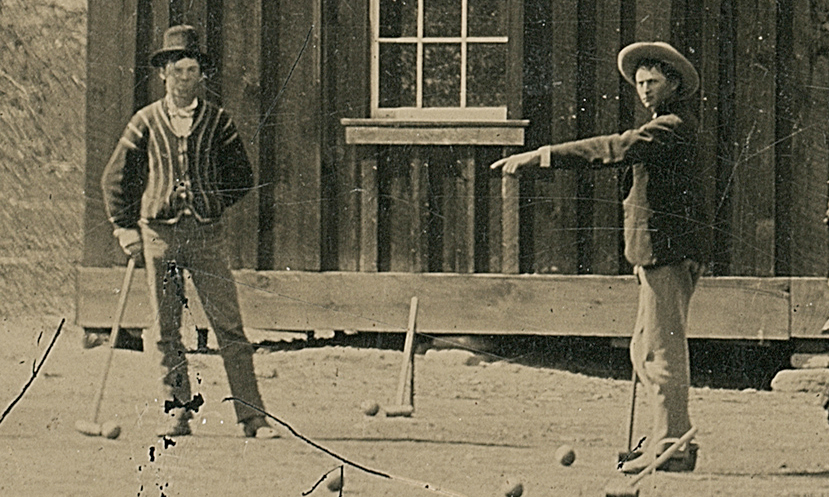
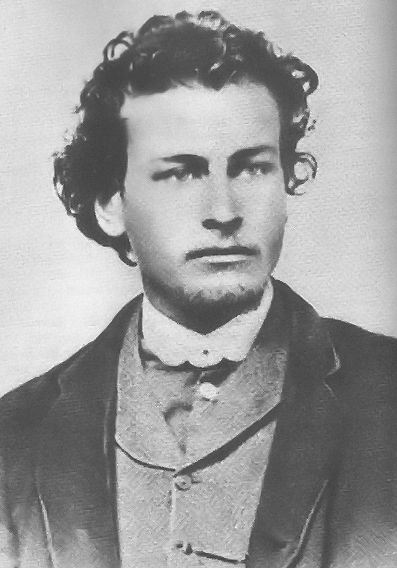

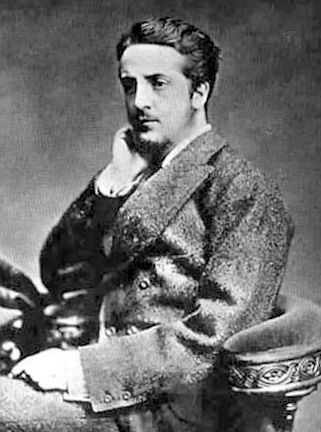
Early life and outlaw career
McCarty was born in 1859; sources differ on the exact date. His family moved several times during his childhood, and as a teenager he drifted through the American Southwest. Arrest records from the mid-1870s show a pattern of petty thefts and arrests for stealing food and clothing. After an escape from jail he spent time in the neighboring Arizona Territory, and by the late 1870s he had come to be associated with rustling and other outlaw activity. In August 1877 he killed a man in a dispute in Arizona, an act that made him a wanted man and pushed him deeper into outlaw circles.
The Lincoln County War
McCarty’s prominence rose when he joined the Regulators, a deputized posse formed amid a business and political feud in Lincoln County, New Mexico. The conflict was sparked by the 1878 murder of English rancher and merchant John Tunstall and escalated into a series of retaliatory killings. Members of the Regulators, including McCarty, were implicated in several high-profile slayings, among them the death of Lincoln County Sheriff William J. Brady and a deputy. Although folklore later credited Billy the Kid with as many as 21 victims, careful study of contemporary records supports a much smaller number of proven homicides — historians commonly cite at least four killings linked to him in court documents and newspaper reports of the time. For a general discussion of the feud and its participants see historical summaries of the Lincoln County War.
Capture, trial and death
After a period of continued violence and flight, McCarty was captured and sentenced to hang for one of the killings. He escaped from jail in April 1881, famously freeing several prisoners, before being tracked down months later. On July 14, 1881, he was killed in Fort Sumner, New Mexico, when Sheriff Pat Garrett shot him during an arrest attempt. Garrett later promoted the story of McCarty’s many killings, a claim that contributed to the outlaw’s mythic status; contemporary press and legal records are more restrained in what they confirm. The circumstances of his death, the contested count of his victims, and later tales of possible survival contributed to continuing debate and fascination; see accounts of his fatal encounter and burial at Fort Sumner for more on his death.
Reputation and legacy
Billy the Kid quickly became a romanticized figure in American popular culture. Dime novels, newspaper sensationalism, ballads, films and later scholarly studies alternately portrayed him as a cold-blooded killer, a wronged youth, or an emblem of frontier defiance. The contrast between legend and documentation is central to his enduring appeal: mythmakers multiplied his exploits, while historians have worked to reconcile contemporary records with folklore. The Kid’s story remains a staple of Western iconography and continues to influence literature, cinema and regional tourism in New Mexico.
Notable facts and distinctions
- Names and aliases: born Henry McCarty, often used William H. Bonney and known popularly as Billy the Kid.
- Age at death: 21 or 22, depending on the disputed birthdate; he died in 1881 at Fort Sumner.
- Violence and record: legend credits him with many more killings than contemporary court records reliably support; scholarly estimates emphasize a small number of documented homicides rather than the larger totals of popular lore. See comparative accounts.
- Role in conflict: an active member of the Regulators during the Lincoln County War, involved in several notable shootings and reprisals.
- Cultural impact: his life inspired numerous books, films and songs and remains a subject of academic and popular interest; for popular accounts and primary documents consult biographical surveys and collections of contemporary newspaper reports.
- Territorial context: his activities spanned parts of the New Mexico and Arizona Territories, illustrating the fluid and often lawless nature of some frontier regions.
For additional primary sources, modern biographies and archival material consult dedicated collections and regional historical societies; further links and repositories can be found through curated guides and modern historical overviews on well-known figures and on major incidents. These resources help separate contemporary reportage, later embellishment, and current historical interpretation.
Related articles
Author
AlegsaOnline.com Billy the Kid (Henry McCarty) — American outlaw and Lincoln County War figure Leandro Alegsa
URL: https://en.alegsaonline.com/art/115179
Sources
- aboutbillythekid.com : "Billy the Kid: How bad was he?"