
Billy McNeill — Scottish footballer and manager, captain of Celtic's Lisbon Lions
Scottish centre-back and long-serving Celtic captain who led the club to the 1967 European Cup; later became a manager and prominent club figure. (1940–2019)
Overview
Billy McNeill (2 March 1940 – 22 April 2019) was a Scottish footballer and manager best known for his long association with Celtic Football Club. A central figure in Scottish football for decades, he combined a distinguished playing career with later work in coaching and management. He was appointed MBE in recognition of his services to the sport.
Image gallery
4 Images


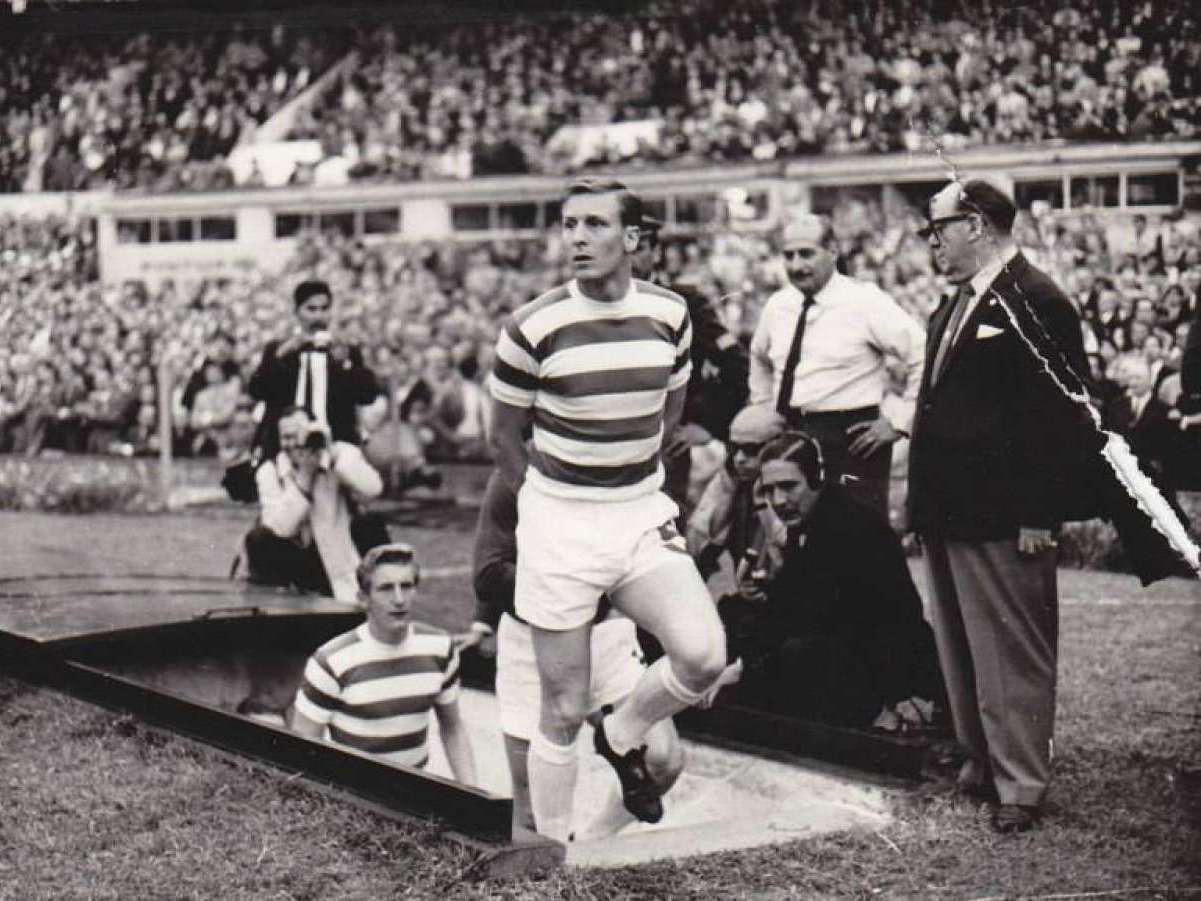
Playing career and style
Primarily a centre-back, McNeill was noted for his reading of the game, aerial ability and leadership on the pitch. As a player he embodied a calm, commanding presence that helped organise his team from the back. Contemporary reports and later reflections highlight his tactical intelligence and commitment to club football, qualities that made him an obvious captaincy choice.
Major achievements
McNeill captained Celtic during the club’s most celebrated era. In 1967 he led the team that became the first British club to win the European Cup, a squad still widely known as the "Lisbon Lions." That triumph remains one of the defining moments of his career and of Scottish club football more broadly. During his playing days he also helped Celtic secure multiple domestic trophies.
Management and later roles
After retiring as a player, McNeill moved into coaching and management. He had several spells as a manager, most notably returning to lead his old club in later years, and worked with other teams in the Scottish leagues. His experience as a former player informed his managerial approach and he remained a respected voice in the game.
Legacy and notable facts
- Football historians and supporters regard McNeill as one of Scotland’s most influential captains.
- He is most often remembered for captaining the Lisbon Lions to the European Cup in 1967, a landmark for British clubs.
- After his playing career he continued to shape the sport as a manager and mentor to younger players.
- His role as a player and later contributions as a defender and leader are frequently cited in discussions of Celtic’s history.
McNeill's life in football is commemorated by fans and institutions; his death in 2019 prompted widespread tributes across the Scottish game and beyond. For biographies, career summaries and archive material, see linked resources and club histories for further reading.
Related articles
Author
AlegsaOnline.com Billy McNeill — Scottish footballer and manager, captain of Celtic's Lisbon Lions Leandro Alegsa
URL: https://en.alegsaonline.com/art/11547
Sources
- bbc.com : "Celtic: Billy McNeill awarded Athletic Bilbao honour"
- theguardian.com : "Billy McNeill, captain of Celtic's European Cup-winning team, dies aged 79"
- bbc.com : "Family of Billy McNeill confirm he has dementia"
- celticfc.net : "Family's immense sadness as Celtic legend Billy McNeill passes away"
- independent.co.uk : "Billy McNeill death: Legendary former Celtic captain and manager dies aged 79"