
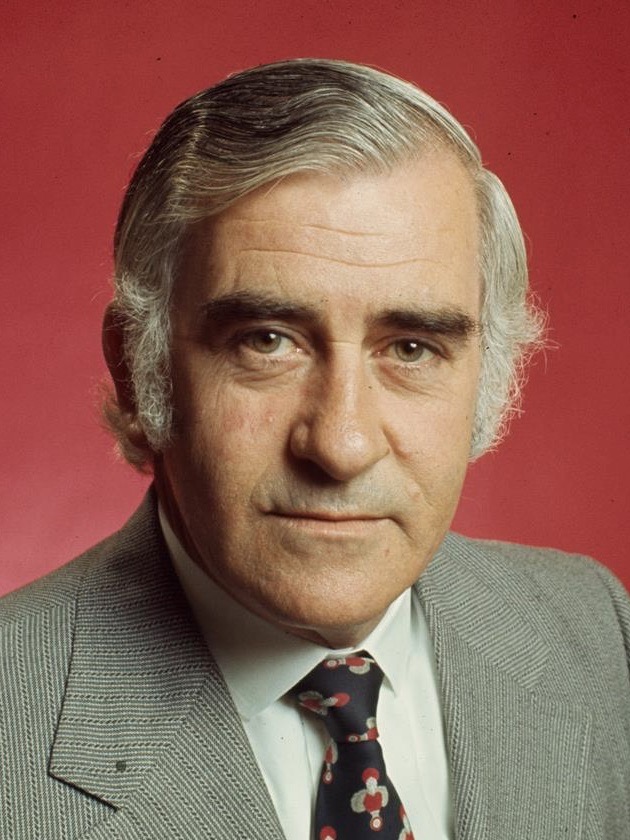
Sir Billy Snedden
Australian politician who led the Liberal Party (1972–1975), served in cabinet (1964–1972) and was Speaker of the House (1976–1983).

Overview
Sir Billy Mackie Snedden (1926–1987) was a prominent Australian federal politician active from the 1950s through the early 1980s. He led the Liberal Party and consequently the Opposition from 1972 until 1975, served in senior Cabinet roles across the 1960s and early 1970s, and later held the office of Speaker of the House of Representatives from 1976 to 1983. His career spanned periods of government and opposition, and he remained a well‑known public figure until his death in 1987.
Image gallery
7 Images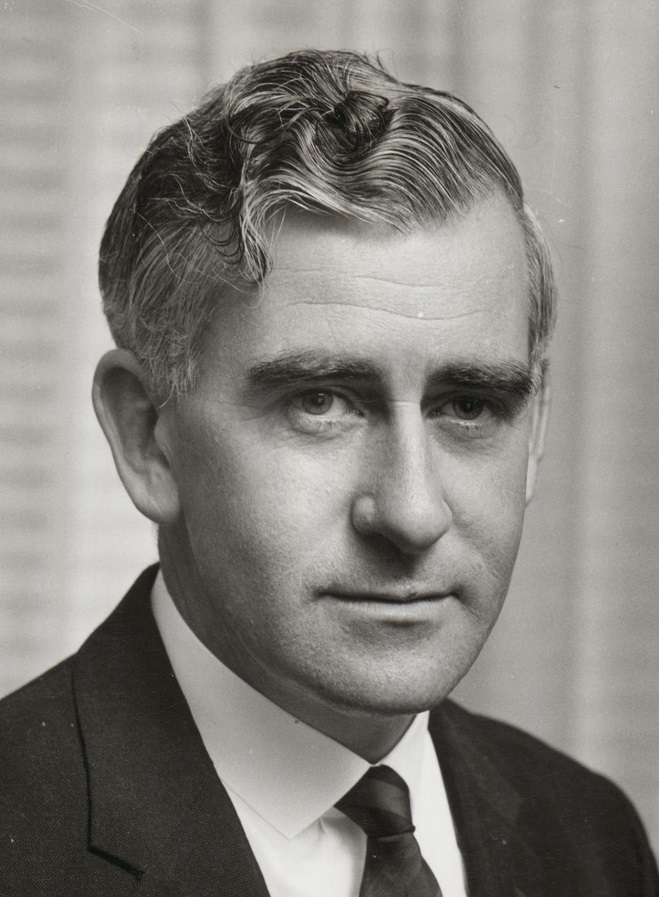



Early life and background
Born in West Perth, Western Australia, Snedden was educated locally at state schools and technical college before serving in the Royal Australian Air Force during the final stages of the Second World War. After the war he entered business and community life and then federal politics. He married Joy Forsyth in 1950 and the couple raised four children. His Western Australian origins and wartime service were recurring elements of his public persona.
Parliamentary career and ministerial service
Snedden entered federal politics in the 1950s and over time held a number of senior ministerial appointments in Liberal governments during the 1960s and into 1972. During this period he worked across multiple portfolios and took part in the policy debates of the era. After the Liberal–Country coalition lost the 1972 election, Snedden became Leader of the Liberal Party and Leader of the Opposition, charged with rebuilding and repositioning the party in response to a changing political landscape.
Leader of the Opposition and later roles
As leader, Snedden guided the party through internal debates about direction and strategy following defeat, a tense period that culminated in a leadership change in 1975. After the Coalition returned to power later that year, Snedden was appointed Speaker of the House of Representatives, a role he filled from 1976 until 1983. His tenure as Speaker required him to preside over parliamentary proceedings and to interpret standing orders during a turbulent era in Australian politics.
Reputation, style and legacy
Colleagues and commentators described Snedden as a skilled parliamentarian who combined a practical understanding of politics with a commitment to party organisation. He was addressed as "Sir," reflecting a knighthood awarded in recognition of his public service. Histories of the period note his part in the transition of the Liberal Party through the 1970s and his later contribution to parliamentary life as Speaker.
Death and public reaction
Snedden died suddenly of a heart attack in June 1987 at the age of 60 while in Sydney. Contemporary press coverage included sensational details about the circumstances of his death; reporting at the time prompted debate about the public interest and privacy of former public figures. His death came shortly after his attendance at an electoral campaign event for a fellow Liberal, and it marked the end of a long and high‑profile career in national politics.
Further information
- Role in the House of Representatives: House of Representatives
- Birthplace and early life in Western Australia: Western Australia
- Military service during World War II: Royal Australian Air Force / World War II
The above summary provides a concise account of Snedden's public life and major offices. For detailed timelines, speeches and archival material consult parliamentary records and biographical repositories linked above.
Related articles
Author
AlegsaOnline.com Sir Billy Snedden Leandro Alegsa
URL: https://en.alegsaonline.com/art/11555
Sources
- blogs.smh.com.au : "Achievements: Billy's bedtime story"
- news.com.au : "Sir Billy and son 'shared mystery lover'"
- theaustralian.com.au : "Time Capsule"