
Bob Newhart
Profile of Bob Newhart: American comedian and actor known for deadpan one-sided routines, landmark comedy albums, two hit sitcoms and a late-career Emmy win.
Overview
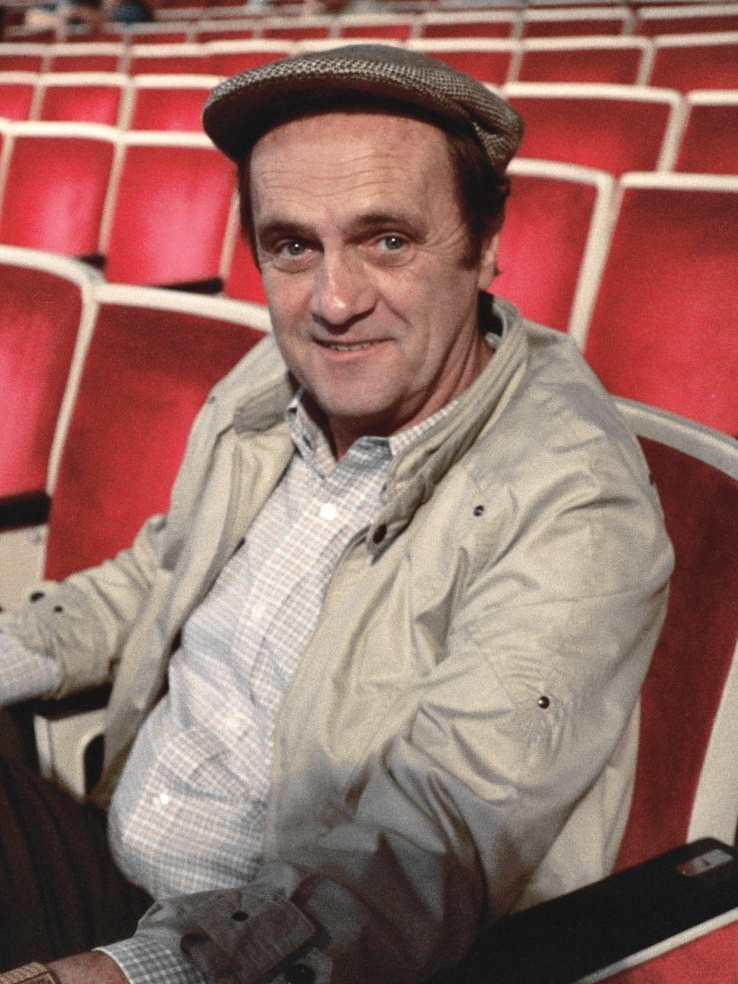
Bob Newhart (born September 5, 1929) is an American actor and stand-up comedian whose restrained, deadpan delivery and one-sided telephone monologues made him one of the most distinctive comic voices of the postwar era. He rose to national attention with a best-selling recorded routine and later became a familiar television presence through two long-running sitcoms. His low-key, reactive style emphasized pauses and timing rather than broad physical humor.
Image gallery
5 Images


Early life and education
Newhart was born in Oak Park, Illinois, and grew up in the Chicago area. He attended Loyola University Chicago and served in the United States Army before launching a career in entertainment. His Midwestern background and early experiences working outside show business informed the understated persona he developed for his routines.
Recordings and breakthrough
Newhart first achieved widespread success in the early 1960s with the comedy album "The Button-Down Mind of Bob Newhart," which presented sketches built around imagined conversations and single-sided telephone bits. The record became one of the best-selling comedy albums of its time and won major industry recognition. His approach—crafting entire scenes through one side of a dialogue and relying on timing, pauses and a skeptical, bemused tone—proved influential on later generations of stand-up performers.
Television career
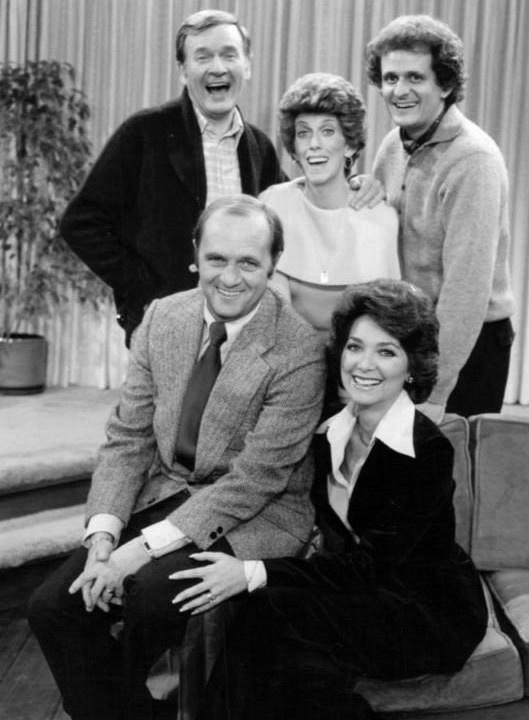
On television Newhart headlined two notable sitcoms that cemented his popularity. In The Bob Newhart Show he played a Chicago psychologist, a role that showcased his ability to play straight man to eccentric patients and colleagues while maintaining a dry, measured presence. A decade later he starred in Newhart, playing a Vermont innkeeper surrounded by an ensemble cast; that series is remembered for its writing, character interplay and for an unexpectedly famous series finale that referenced his earlier sitcom work. Newhart continued to make guest appearances on television through the decades.
Film and guest appearances
While primarily known for records and television, Newhart has appeared in feature films and made numerous guest appearances. He had a role in the popular holiday comedy Elf and made a cameo in the 2011 comedy Horrible Bosses. Late in his career he appeared as Professor Proton on the sitcom The Big Bang Theory, a recurring guest role that introduced him to a new generation of viewers and led to a significant industry award.
Awards and recognition
Newhart's recorded work earned him early accolades, including a Grammy award for his breakthrough album. Decades later, his guest-role portrayal of a beloved science-educator character on a major network sitcom earned him his first acting Emmy Award, a notable late-career honor that many commentators described as a recognition of his long and varied contributions to comedy and television.
Style and influence
Newhart's comedy is often described as quiet, observational and character-driven. He favored conversational routines that created vivid unseen characters through his responses, and he frequently used short, incredulous remarks and well-placed silences to build humor. Comedians and writers cite his timing, restraint and ability to sustain a scene through implication as enduring influences on stand-up and sitcom performance.
Personal life
Newhart was born in Oak Park and raised in the Chicago area, a background noted in profiles of his early life and influences. He has been married to Virginia Quinn since 1963 and they have four children. He has lived for much of his life outside the Hollywood spotlight and has occasionally discussed how family life and privacy shaped his work choices.
Selected works and further reading
- Major recordings and albums
- Television credits and series overviews
- Biographical background and early years
- Awards and honors
- Notable film appearances including holiday comedies
For those researching Newhart's career, archived interviews, contemporary reviews and retrospectives provide valuable context about the social and artistic environment in which he emerged. His work remains widely cited in surveys of American comedy for its economy of delivery, inventive use of implied interlocutors and longevity across multiple media.
Related articles
Author
AlegsaOnline.com Bob Newhart Leandro Alegsa
URL: https://en.alegsaonline.com/art/115413
Sources
- washingtontimes.com : "Bob Newhart finally gets his Emmy Award"