
Bobby Clarke
Bobby Clarke, Canadian ice hockey centre, longtime Philadelphia Flyers captain and team executive, known for leadership, two-way play, two Stanley Cups and a lasting influence on the NHL.
Overview
Bobby Clarke (born August 13, 1949) is a retired ice hockey player from Canada who spent his entire 15-season National Hockey League career as a centre with the Philadelphia Flyers in the NHL. Celebrated for his leadership, work ethic and effectiveness on both ends of the ice, Clarke became the face of the Flyers during the 1970s and later worked in coaching and executive roles with the club. His career bridged playing excellence and long-term influence on the organization.
Image gallery
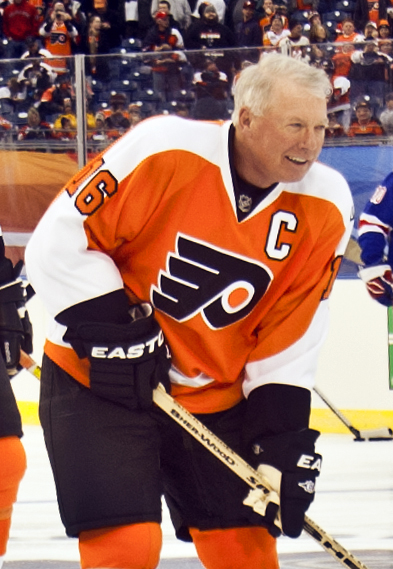
7 Images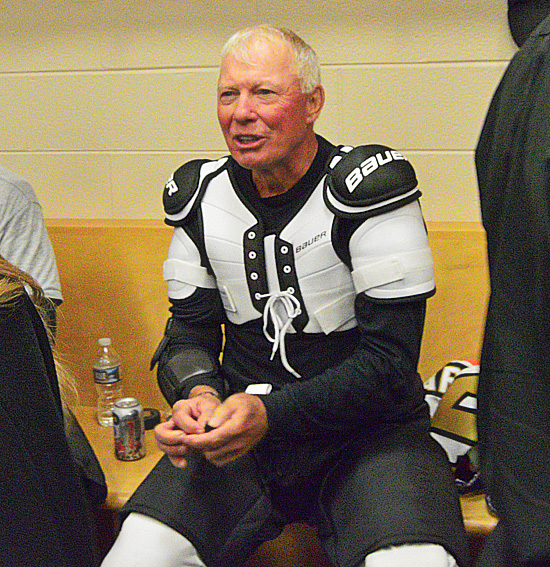


Playing style and characteristics
Clarke was known as a gritty, competitive two-way centre with exceptional faceoff skill and a fierce determination that often set the tone for his team. He combined playmaking ability and scoring touch with a willingness to engage physically. Despite a smaller stature compared with many contemporaries, Clarke used positioning, anticipation and relentlessness to produce at a high level and to neutralize opposing threats. He also managed a chronic medical condition while competing at the sport's highest level, which added to his reputation for toughness.
Career highlights and achievements
During his years with the Flyers, Clarke captained the club through its most successful decade, including back-to-back Stanley Cup championships that defined Philadelphia's identity in the 1970s. His personal honors include multiple league MVP awards and selection to All-Star teams. After retiring as a player he was inducted into the Hockey Hall of Fame, a recognition of both his on-ice achievements and broader impact on the game.
- Longtime team captain and cultural leader for the Flyers
- Key member of the Flyers' championship teams in the 1970s
- Multiple-time recipient of the NHL's most valuable player award
- Inductee of the Hockey Hall of Fame
History and context
Born and raised in a small mining town, Clarke rose through Canadian junior hockey to reach the NHL at a young age. He arrived in Philadelphia as the franchise was building an identity and quickly became central to the club's success, both as a scorer and as an emotional leader. The Flyers of that era earned the nickname that reflected their rough-and-tumble reputation, and Clarke's competitive style helped establish a durable team culture that lasted well beyond his playing days.
Legacy and later roles
After his playing career Clarke transitioned to behind-the-bench and front-office positions, serving in coaching, general management and executive capacities with the same organization. His name is closely tied to Philadelphia hockey history: fans remember him for leadership on the ice and for shaping the club's direction off it. Clarke's career is often discussed when assessing the evolution of the modern two-way centre and the role of leadership in team sports.
Notable facts and debates
Clarke's career included moments that generated debate—on-ice incidents and intense international matchups remain part of his public image—yet assessments of his contributions emphasize consistent high-level performance, resilience and an ability to inspire teammates. For further reading on Clarke's playing career and post-playing influence, consult team histories and archival accounts from the era, as well as institutional profiles maintained by the club and hockey organizations.
More information: Biography overview, game records, position analysis, league context, team history.
Questions and answers
Q: Who is Bobby Clarke?
A: Bobby Clarke is a Canadian former professional ice hockey centre who played his entire 15-year NHL career with the Philadelphia Flyers and is currently an executive with the team.
Q: What is Bobby Clarke's birth name?
A: Bobby Clarke's birth name is Robert Earle Clarke.
Q: When was Bobby Clarke born?
A: Bobby Clarke was born on August 13, 1949.
Q: What is Bobby Clarke's nickname?
A: Bobby Clarke's nickname is Bob Clarke, which he started using after retirement as a player. During his active years as a player, he was known as Bobby Clarke.
Q: How long was Bobby Clarke's NHL career?
A: Bobby Clarke's entire NHL career lasted for 15 years, during which he played with the Philadelphia Flyers.
Q: What is Bobby Clarke's current role with the Philadelphia Flyers?
A: Bobby Clarke is currently an executive with the Philadelphia Flyers.
Q: Did Bobby Clarke play for any other NHL team besides the Philadelphia Flyers?
A: No, Bobby Clarke played his entire NHL career with the Philadelphia Flyers.
Related articles
Author
AlegsaOnline.com Bobby Clarke Leandro Alegsa
URL: https://en.alegsaonline.com/art/115339
Sources
- flyers.nhl.com : "Bio - Clarke - Philadelphia Flyers - Team"