
Bill Bradley
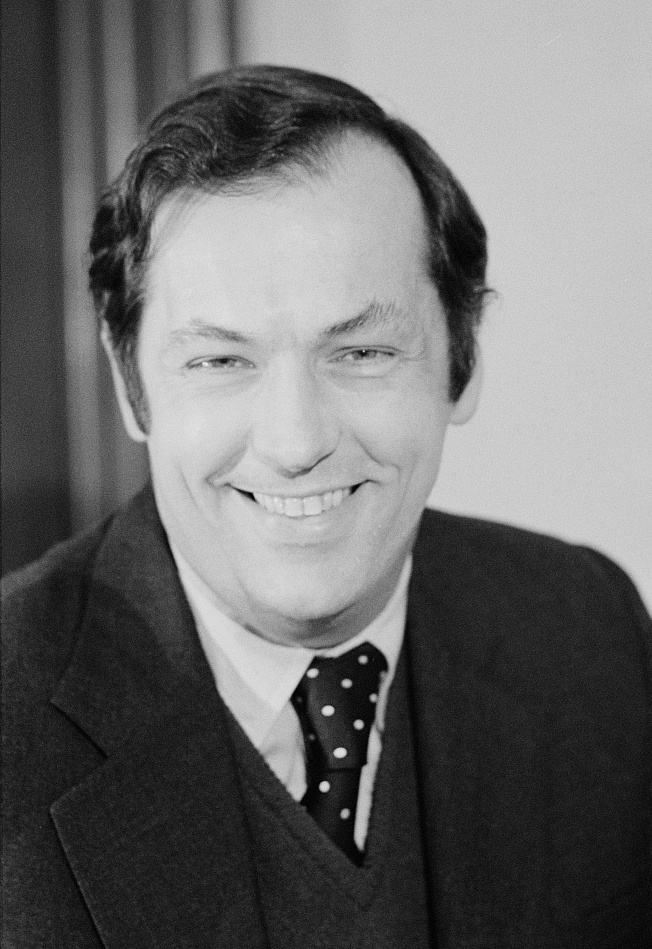
William Warren "Bill" Bradley (born 1943) is an American former professional basketball player, Rhodes Scholar, three-term U.S. senator from New Jersey and author who sought the 2000 Democratic presidential nomination.
Overview
William Warren "Bill" Bradley (born July 28, 1943) is an American public figure known for a multi‑faceted career in sports, scholarship and public service. He rose to national prominence as a collegiate star and professional basketball player, later serving three terms as a United States senator from New Jersey before seeking the 2000 Democratic presidential nomination. After leaving elective office he continued to write, lecture and work on public policy and civic initiatives.
Image gallery
6 Images



Early life and education
Bradley was born in Crystal City, Missouri and was raised in a family that emphasized education and civic engagement. He attended Princeton University, where he was both an outstanding student and a standout on the basketball team. After Princeton he won a Rhodes Scholarship and pursued postgraduate study in the United Kingdom, broadening his academic and international outlook before returning to the United States to begin a professional athletic career.
Basketball career
Bradley played professional basketball for the New York Knicks in the National Basketball Association. He was known for his intelligence on the court, disciplined approach and team play. During his time with the Knicks he helped the team win championships and earned a reputation as a cerebral small forward who combined shooting skill with strong fundamentals. His sports career gave him a national profile that helped when he later entered public life.
United States Senate
Entering public life as a member of the Democratic Party, Bradley was elected to the United States Senate to represent New Jersey, serving from 1979 to 1997. During his three terms he focused on a wide range of issues including education, health policy, campaign finance and fiscal reform. He developed a reputation as a policy‑oriented legislator who favored detailed proposals and pragmatic approaches to complex problems. His Senate career included work on legislation and public debates touching on the federal budget, tax policy and political reform.
2000 presidential campaign
Bradley launched a campaign for the Democratic presidential nomination in 1999 for the 2000 election. His campaign emphasized ideas about economic fairness, health care, campaign finance reform and education, often presenting detailed policy plans rather than relying only on rhetoric. He competed for delegates and attention in the primary calendar but withdrew before the party convention; the nomination ultimately went to Al Gore.
Post‑Senate career and writing
After leaving the Senate Bradley wrote books, gave lectures and participated in public discussions about domestic policy, democratic reform and civic life. He has worked as an author, speaker and commentator and has been involved in various educational and philanthropic activities. His later work has continued to reflect interests in economic policy, public service and strengthening democratic institutions.
Personal life
Bradley married Ernestine in 1974; their marriage ended in divorce in 2007 and they have one child. In later years he has been in a relationship with Betty Sue Flowers, who formerly directed the Lyndon Baines Johnson Library and Museum. He has remained engaged in public affairs, education and community initiatives since leaving elective office.
Legacy and reputation
Bradley is often noted for bridging worlds that are sometimes seen as separate: high‑level athletics, scholarship and government. He is remembered as a Rhodes Scholar who became a professional athlete and later an influential senator, an unusual combination that informed both his public image and his approach to policy. Observers commonly describe him as pragmatic, policy‑driven and willing to engage in detailed policy work rather than merely offering broad political slogans.
Quick facts
- Born: July 28, 1943, in Crystal City, Missouri.
- Education: Princeton University; postgraduate study as a Rhodes Scholar in the United Kingdom.
- Professions: professional basketball player, politician, author and educator.
- Senate service: represented New Jersey in the United States Senate from 1979 to 1997.
- Presidential run: sought the Democratic nomination for president in 2000.
- Public engagement: writing, lecturing and civic initiatives on public policy and reform.
For more information, biographical summaries and archival materials consult institutional and reference pages that collect his speeches, legislative record and published work: general biography portals (regional biography), academic profiles (education), party and campaign summaries (party affiliation), official Senate records (Senate service), state history resources (state history), campaign archives (campaign materials), contemporary news overviews (media coverage) and institutional collections such as the Lyndon Baines Johnson Library and Museum (LBJ Library).
Related articles
Author
AlegsaOnline.com Bill Bradley Leandro Alegsa
URL: https://en.alegsaonline.com/art/115197
Sources
- commondreams.org : "The Case For Bill Bradley"