
Billy Graham (wrestler) — 'Superstar' Billy Graham (Eldridge Wayne Coleman)
Eldridge Wayne Coleman (born June 7, 1943), known as "Superstar" Billy Graham, is a retired American professional wrestler noted for his bodybuilding-influenced look, theatrical promos, and influence on modern pro wrestling.
Overview
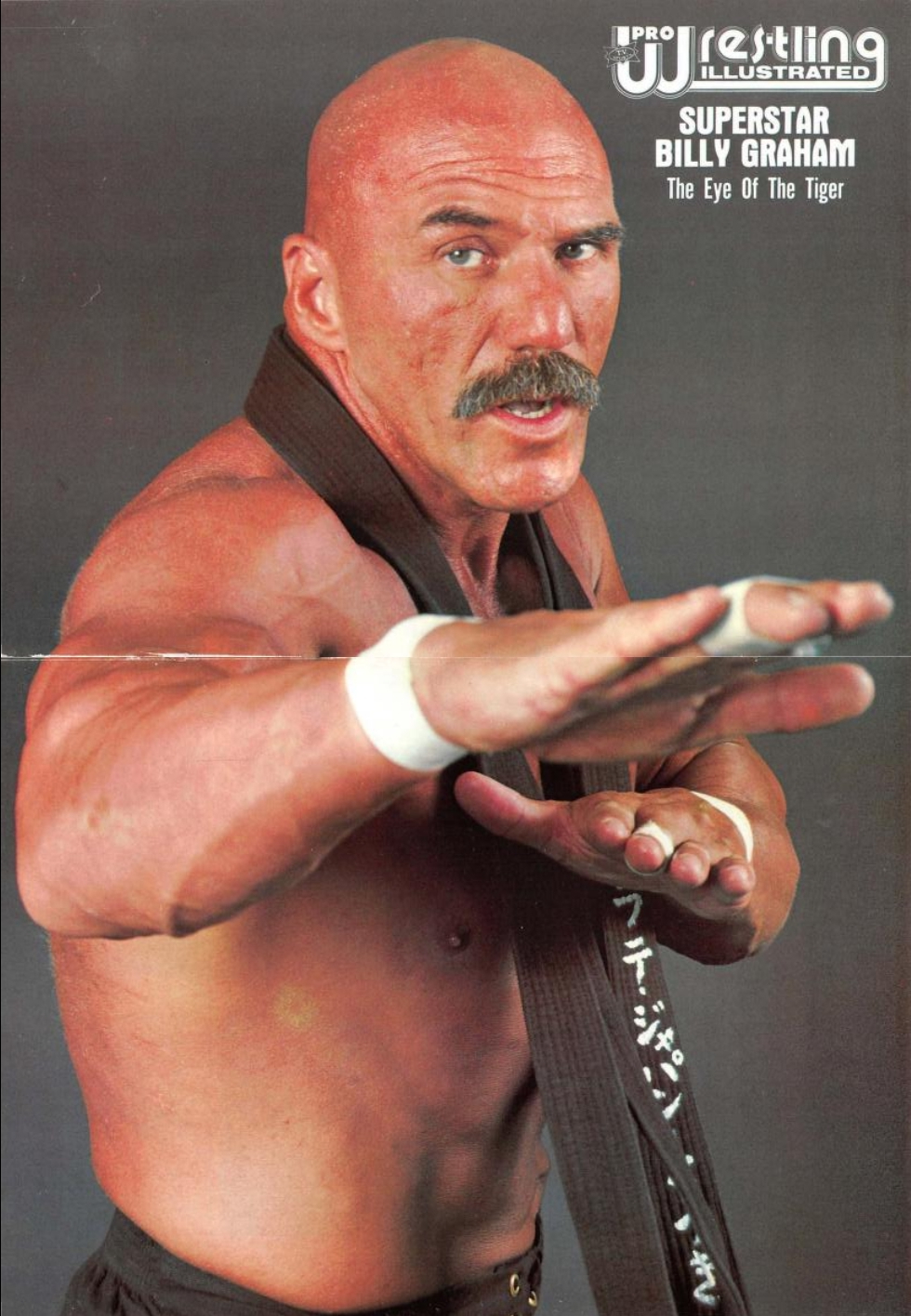
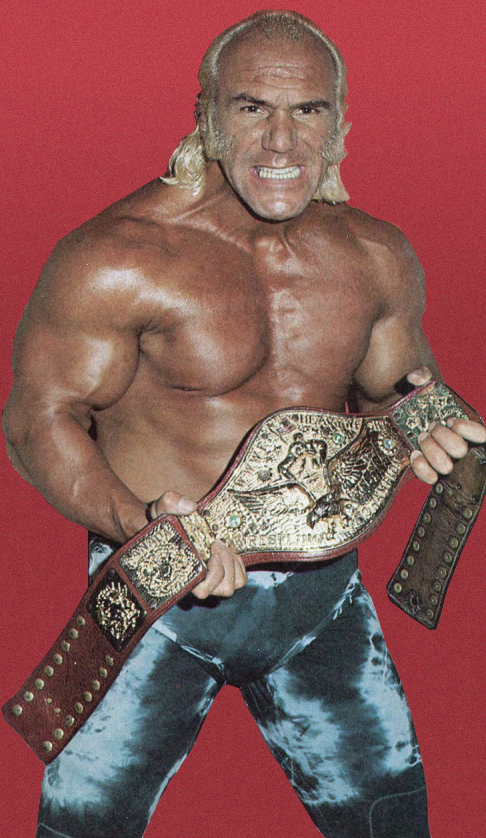
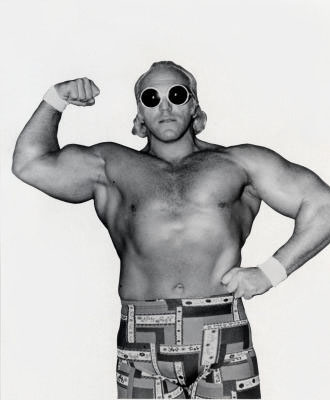
"Superstar" Billy Graham is the best-known ring name of Eldridge Wayne Coleman, a retired American professional wrestler born on June 7 1943 in Phoenix, Arizona. He rose to prominence in the 1970s and 1980s for a flamboyant, larger-than-life style that blended theatrical promos, bodybuilding aesthetics, and showmanship. Graham's presentation—bulging musculature, colorful costumes, and long, fiery interviews—helped redefine how personality, physique, and spectacle could drive a wrestling career, and he is widely cited as a formative influence on later mainstream stars.
Image gallery
7 Images


Early life and background
Coleman grew up in Arizona and developed an early interest in athletics and physical culture. He later turned to bodybuilding before training as a professional wrestler, and he incorporated the sculpted look, poses, and confidence common to bodybuilders into his in-ring persona. Those elements distinguished him from many contemporaries and made his character immediately recognizable to fans of both sports and entertainment.
Wrestling persona and style
Graham's ring persona emphasized bravado and theatricality. He used long, often improvisational interviews—commonly called promos—to provoke audiences, build feuds, and sell matches. His entrances and in-ring behavior featured exaggerated poses, facial expressions, and a conscious display of physical conditioning. This blend of bodybuilding image and promo work helped to shift audience expectations about how a top wrestling attraction might present himself.
Career highlights
Graham competed extensively in North American regional promotions and is closely associated with the World Wide/World Wrestling Federation (WWWF/WWF). During his career he reached the top of the card in major territories and carried himself as a main-event level performer. He held high-profile titles and headlined important events of his era, and his matches and interviews received significant attention from promoters and television producers at the time.
- Notable attributes: bodybuilder physique, flamboyant costumes and poses, forceful promo delivery.
- In-ring tactics: emphasis on selling, crowd work, and theatrical heat rather than purely technical displays.
- Influence: credited with inspiring later performers who emphasized physique and mic work, including a number of 1980s and 1990s main-event stars.
Controversies and public admissions
Graham's career later intersected with broader public debates about performance-enhancing drugs in professional athletics and entertainment. In the early 1990s he made front-page and television news appearances in which he candidly discussed past steroid use and the pressures that contributed to it. One widely covered interview brought his admissions into a national spotlight and strained relationships with some industry figures for a period. These events are often cited in discussions about wrestler health, workplace pressures, and changing standards in the sport; contemporary coverage and interviews offer additional context and reporting about the controversy.
Later life and activities
After stepping away from regular in-ring competition, Coleman remained linked to professional wrestling as an influential elder statesman and occasional guest on programs and at conventions. He also pursued visual art and painting as a serious avocation and exhibited work in various settings. In interviews and retrospectives he has reflected on the changes in the business, the costs of a long career in a physically demanding profession, and his role in shaping the modern sports-entertainment approach.
Legacy
Wrestling historians and performers commonly acknowledge Graham's role in popularizing a bodybuilding-influenced look and integrating highly theatrical promos into mainstream professional wrestling. By placing equal emphasis on physique, fashion, and microphone skill, he helped create a template followed by many later stars. Assessments of his legacy typically note both his creative contributions and the ways his public statements influenced later industry conversations about athlete welfare and regulation.
Further reading and resources
For general biographical and historical background consult available biographies and archival material: biographical references, public records summaries, local history sources, promotion histories, and reporting on interviews and controversies about performance-enhancing drugs and industry reaction. These sources provide contemporary reporting, first-person interviews, and retrospective analysis.
Note: This article focuses on broadly reported and verifiable aspects of Coleman’s public career and influence. Personal medical details, private family matters, and unverified claims are not covered here except where they have been widely reported by reliable sources.
Related articles
Author
AlegsaOnline.com Billy Graham (wrestler) — 'Superstar' Billy Graham (Eldridge Wayne Coleman) Leandro Alegsa
URL: https://en.alegsaonline.com/art/115162
Sources
- wrestlingnewsworld.com : ""Superstar" Billy Graham Wants Out Of The WWE Hall Of Fame; Blasts Chris Jericho"