
Bertha von Suttner — Austrian Novelist and Pacifist, Nobel Peace Laureate
Austrian-Bohemian novelist and leading pacifist (1843–1914). Author of Die Waffen nieder! and the first woman awarded the Nobel Peace Prize for her advocacy of disarmament and international arbitration.
Bertha Sophie Felicitas Freifrau von Suttner (born Countess Kinsky von Wchinitz und Tettau; 9 June 1843 – 21 June 1914) was an Austrian-Bohemian writer and one of the most prominent peace activists of the late 19th and early 20th centuries. She combined literary talent with a sustained public campaign against militarism and for peaceful conflict resolution. Her life and work helped bring the subject of disarmament and arbitration to a wide European readership.
Image gallery
10 Images


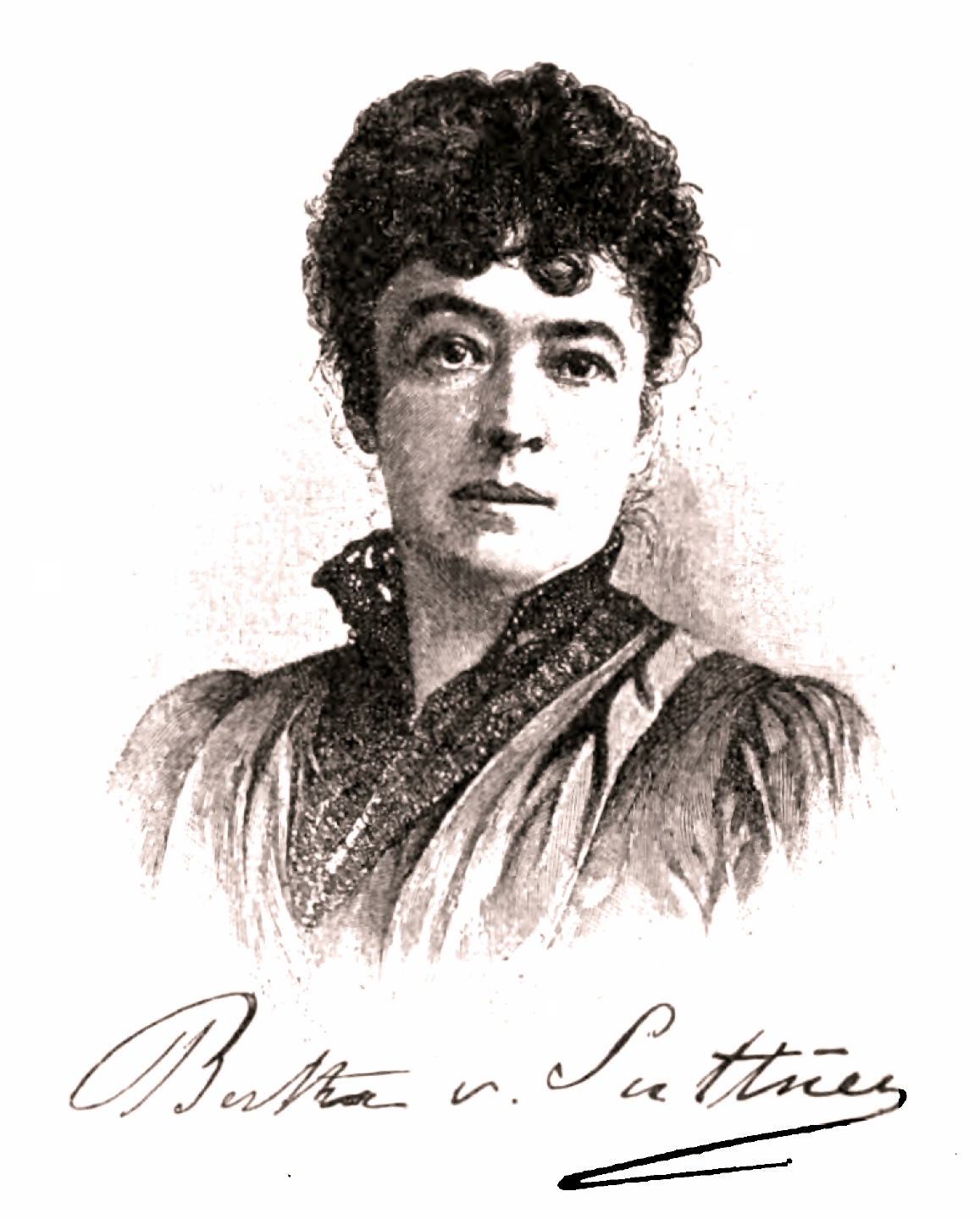




Early life and background
Born into a Czech aristocratic family in the Habsburg lands, she spent much of her youth as a governess and companion in upper‑class households, an experience that shaped both her writing and her social outlook. Later in life she adopted the name and title by marriage and moved in intellectual and diplomatic circles in Central Europe. Her career developed at a time when debates over national armaments and the organization of international law were growing more urgent.
Literary work and Die Waffen nieder!
Suttner achieved her greatest literary and political impact with the novel Die Waffen nieder! (commonly translated as Lay Down Your Arms!), published in 1889. The book portrays the human cost of war through an intimate narrative and vivid character study, making a moral appeal against romanticized views of military glory. It reached a wide readership across Europe, was translated into several languages, and became a touchstone for late‑century pacifist movements.
Peace activism and influence
Beyond fiction, she wrote essays, delivered lectures, and engaged in organizational work to promote arbitration and limits on armaments. She corresponded with prominent figures of her day, including Alfred Nobel, and is often credited with helping to popularize the idea of an international prize rewarding peaceful initiatives. In recognition of her leadership and public influence she received the Nobel Peace Prize in 1905 — the first woman to be so honored.
Legacy and historical context
Von Suttner's advocacy helped shape an international conversation about nonviolent dispute settlement and civilian costs of war. Her death in June 1914 occurred only weeks before the outbreak of World War I, a conflict that underscored both the urgency and the difficulties of the pacifist cause she championed. Historians view her as a formative figure in the development of organized peace movements and in the cultural shift toward humanitarian critiques of war.
Notable facts
- First female Nobel Peace Prize laureate: awarded in 1905 for her persistent work on behalf of peace.
- Best‑known book: Die Waffen nieder! (Lay Down Your Arms!), which reached international audiences.
- Public role: author, lecturer, and campaigner who linked literary influence with organized activism.
For further reading on von Suttner's life and writings, see collections of her correspondence and contemporary accounts of the European peace movement, or follow this reference: resources on Bertha von Suttner.
Related articles
Author
AlegsaOnline.com Bertha von Suttner — Austrian Novelist and Pacifist, Nobel Peace Laureate Leandro Alegsa
URL: https://en.alegsaonline.com/art/115072