
Bert Lahr: American Comedian and Character Actor (1895–1967)
American comedian and character actor best known as the Cowardly Lion in The Wizard of Oz (1939); his career spanned vaudeville, Broadway, radio, film and early television.
Overview
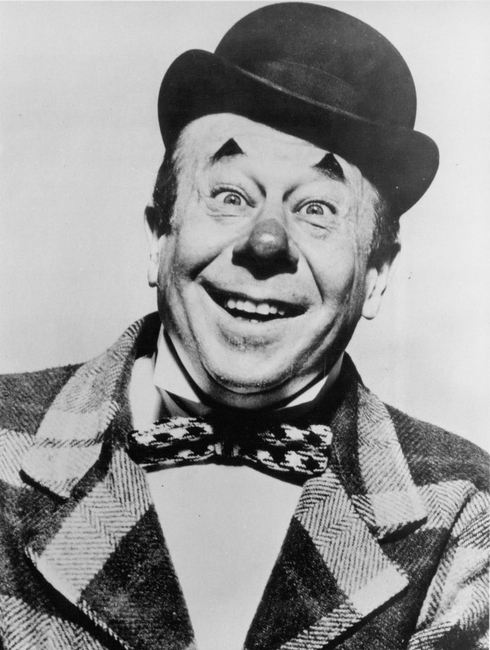
Bert Lahr (born Irving Lahrheim, August 13, 1895 – December 4, 1967) was an American comedian and character actor whose career ranged from vaudeville stages to Broadway, radio, film and television. He is most widely remembered for his performance as the Cowardly Lion in MGM's 1939 film The Wizard of Oz, a role that brought him enduring popular recognition and showcased his mix of broad physical comedy and surprising vulnerability.
Image gallery
5 Images



Early life and beginnings
Born and raised in New York City, Lahr began performing at an early age and worked on the popular touring circuits of the time. He rose through the ranks of vaudeville, where performers honed comic timing, song-and-dance routines and character work that would serve him for decades. From vaudeville he transitioned to musical comedy and revue, finding regular employment on Broadway and in nightclubs.
Stage and film highlights
On stage Lahr became known for his energetic physicality, expressive face and a distinctive voice that could carry a comic patter as well as a plaintive song. He appeared in several Broadway productions and musical comedies, including work with prominent songwriters and producers of the era; one notable stage credit from 1939 was Cole Porter’s DuBarry Was a Lady. In the same year he reached a wider audience through the motion picture The Wizard of Oz, in which his portrayal of the Cowardly Lion combined slapstick, bravado and moments of genuine tenderness. He performed the number "If I Were King of the Forest" in the film, a sequence that further cemented the character in popular memory.
Cowardly Lion and performance style
Lahr’s Lion is often cited as a model of how a comic character can be fully rounded: loud and pompous on the surface, yet clearly insecure and sympathetic at key moments. The role required heavy makeup and a cumbersome costume, and Lahr’s expressive features and vocal flexibility allowed him to animate the character despite those constraints. His background in live theatre and improvisation informed the spontaneity he brought to screen performances.
Later career and legacy
After 1939 Lahr continued to appear on stage, in films, on radio broadcasts and in early television programs. He remained a familiar figure to American audiences for several decades and is often discussed in histories of 20th-century popular entertainment as an example of performers who moved from vaudeville into the mass media age. Theatre critics and later character actors have cited his ability to blend broad comedy with emotional truth as influential.
Personal life and death
Born Irving Lahrheim, he was married twice and had three children; one of his sons, John Lahr, became a noted theatre critic and author. Lahr died of cancer on December 4, 1967, at the age of 72. His work, especially the Cowardly Lion, remains part of the popular cultural memory of American cinema and musical theatre.
Further reading and resources
For overviews of the traditions that shaped his career — American variety entertainment, Broadway musical comedy and early film musicals — consult general histories and reference works on 20th-century American theatre and cinema. Additional contemporary and retrospective accounts of his performances appear in biographies, theatrical anthologies and archive materials available through performing-arts libraries and databases. For background on the circuits where he began, see resources on Broadway and related stage traditions.
Selected appearances
- The Wizard of Oz (1939) — Cowardly Lion
- DuBarry Was a Lady (stage, 1939) — Cole Porter musical
- Decades of work in vaudeville, Broadway musical comedy, radio and television
Related articles
Author
AlegsaOnline.com Bert Lahr: American Comedian and Character Actor (1895–1967) Leandro Alegsa
URL: https://en.alegsaonline.com/art/115079