
Bernard Greenhouse: American cellist and founding member of the Beaux Arts Trio
Bernard Greenhouse (1916–2011) was an American cellist celebrated for chamber music as a founding member of the Beaux Arts Trio, and for his recordings, teaching and influence on trio repertoire.
Overview
Bernard Greenhouse (January 3, 1916 – May 13, 2011) was an American cellist admired for a warm, singing tone and a lifelong commitment to chamber music. He combined solo work with an exceptional devotion to ensemble playing, building a reputation for lyrical phrasing, sensitive balance and expressive intimacy that influenced twentieth-century cello performance.
Image gallery
1 Image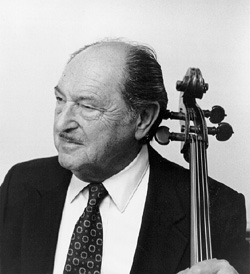
Formation of the Beaux Arts Trio
Greenhouse was one of the original members of the Beaux Arts Trio, a piano trio formed in the mid-1950s that became one of the most celebrated chamber ensembles of its time. The trio centered on the interplay of pianist, violinist and cellist: Greenhouse helped define the cello's role as both a supportive bass voice and a lyrical partner to the pianist and violinist. Through concert tours and recordings the ensemble brought core trio repertoire to wide audiences and set standards for ensemble cohesion.
Repertoire and musical approach
Greenhouse favored the central piano trio and sonata literature—works by Beethoven, Brahms, Schubert and Dvořák feature prominently in his recorded legacy—but he also promoted lesser-known pieces and contemporary composers when appropriate. Critics noted his clear articulation, tasteful use of vibrato and an instinctive sense of chamber balance that prioritized musical conversation over individual display.
Recordings and performance
Across a long performing life Greenhouse took part in numerous recordings that document his approach to ensemble playing. These recordings remain reference points for students and listeners interested in the interpretive possibilities of piano trio literature. He toured extensively with chamber partners and appeared in recital and concerto settings, always returning to the collaborative demands of chamber repertoire.
Teaching and influence
Beyond performance, Greenhouse devoted much energy to pedagogy. He gave masterclasses, mentored younger cellists and encouraged students to cultivate chamber skills as part of their musical training. Many of his pupils pursued professional careers and teaching posts, carrying forward his emphasis on partnership, stylistic awareness and expressive clarity. Short biographical sketches and further reading can be found in concise artist entries and ensemble histories such as a basic biography and general resources on chamber music.
Legacy
Greenhouse is frequently cited in histories of twentieth-century chamber music as a central figure for the cello in ensemble settings. His recordings and the Beaux Arts Trio's discography continue to be studied by performers and music lovers interested in the repertoire and the art of ensemble playing. His career illustrates how a dedicated chamber musician can shape public appreciation of intimate musical forms.
Further notes
- The piano trio formation—piano, violin and cello—relies on close listening and blend; Greenhouse's playing exemplified those priorities.
- Biographical summaries, discographies and recorded examples are widely available in music libraries and artist pages for those seeking detailed chronologies.
Related articles
Author
AlegsaOnline.com Bernard Greenhouse: American cellist and founding member of the Beaux Arts Trio Leandro Alegsa
URL: https://en.alegsaonline.com/art/115039