
Belle de Jour (pen name of writer Brooke Magnanti)
Pen name used by Brooke Magnanti for her blog and books about working as a London call girl; notable for a popular weblog, published memoirs and a television adaptation, and later public life as a writer and researcher.
Overview
Belle de Jour is the nom de plume adopted by Brooke Magnanti for a widely read weblog and a series of books that recounted experiences of working as a call girl in London. The blog, often cited simply as Belle de Jour: Diary of a London Call Girl, won early attention and was selected as blog of the year by The Guardian. Material from the site was edited and expanded into books released in the UK and the US, and the stories reached larger audiences through a television adaptation.
Image gallery
2 Images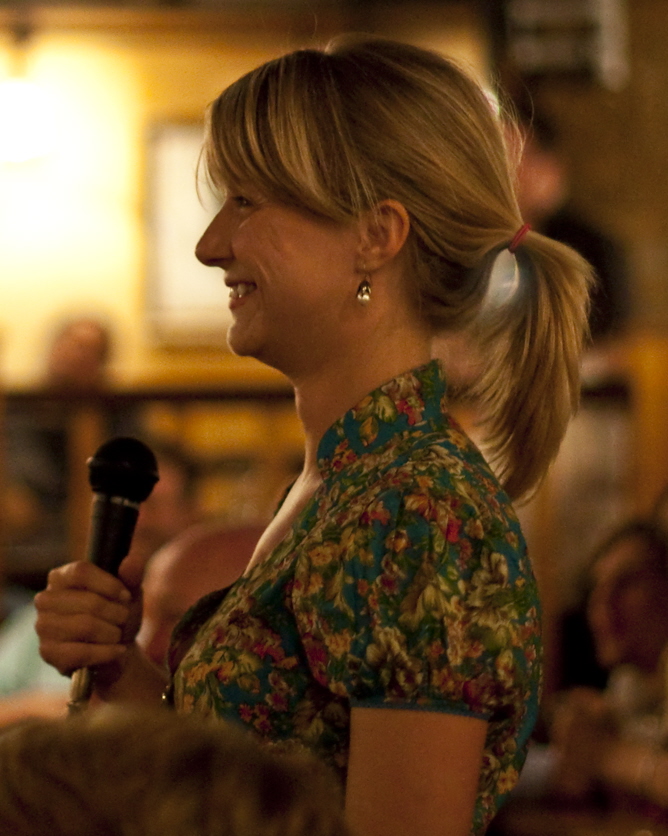

Background and identity
Brooke Magnanti was born in Clearwater, Florida, to a family with mixed heritage; her father is Italian American and her mother is Jewish American (Jewish). She later moved to the United Kingdom, where for a period she worked as a research scientist while also writing anonymously about sex work. Magnanti maintained her anonymity for several years before announcing her authorship publicly in 2009. She subsequently became a British citizen and has lived in Lochaber in the Scottish Highlands.
Name and cultural references
The pen name alludes to earlier cultural works titled Belle de Jour: a 1928 novel and, more famously, the 1967 film often identified as the 1967 film starring Catherine Deneuve and directed by Luis Buñuel. In French the phrase literally translates as "beauty of the day," and it is sometimes contrasted with terms meaning "woman of the night." The phrase has been used as a euphemism in discussions of prostitution and related subjects (euphemisms).
Publications and adaptations
Entries from the blog were adapted into books that combined memoir, social observation and candid commentary on the realities of sex work. The books' popularity helped inspire a televised drama loosely based on the diaries, which brought the material to an international audience and prompted broader public discussion about representation, privacy and the economics of sex work. Magnanti has written further nonfiction and has appeared in public forums to discuss research, policy and media issues related to her experience.
Reception and significance
The Belle de Jour project is notable for intersecting popular culture, journalism and debates about sex work. Its anonymity while active raised questions about authorial voice, verification and the ethics of telling intimate stories about clients and the sex industry. When Magnanti revealed her identity, responses included both praise for candidness and criticism from commentators concerned about glamorization or disclosure. Her work has been used as a point of reference in broader conversations about labor, stigma and legal approaches to prostitution.
Notable facts
- Blog recognition: early acclaim including selection by The Guardian.
- Books and markets: published editions appeared in the UK and US.
- Cultural echo: title references a novel and the 1967 film featuring Catherine Deneuve and directed by Luis Buñuel (1967 film).
- Personal background: born in Clearwater, Florida, with Italian American and Jewish family roots; later resident of Lochaber.
- Language and meaning: the name means "beauty of the day" and contrasts with terms for night-time sex work (euphemisms).
- Online presence: original diary and related writing were central to public interest in the story (blog).
For readers seeking the original entries or further commentary, the diary and its subsequent editions remain a frequently cited case study in examining how personal narrative, anonymity and mass media interact in discussions about sex work, privacy and public policy.
Related articles
Author
AlegsaOnline.com Belle de Jour (pen name of writer Brooke Magnanti) Leandro Alegsa
URL: https://en.alegsaonline.com/art/114942
Sources
- orionbooks.co.uk : "Belle de Jour"
- technology.guardian.co.uk : "British Blog Awards 2003"