
Benedicta Boccoli
Italian actress born in Milan (1966), best known for her long career on the stage and appearances in films such as Gli angeli di Borsellino, Valzer and Pietralata.
Overview
Benedicta Boccoli (born 11 November 1966 in Milan) is an Italian actress whose work has been most prominent in the theatre. She is recognized for a steady presence in contemporary Italian stage productions and occasional film and television roles. Her career spans several decades and demonstrates a commitment to live performance as her primary medium. For basic biographical references see sources on her birthplace and background.
Image gallery
4 Images


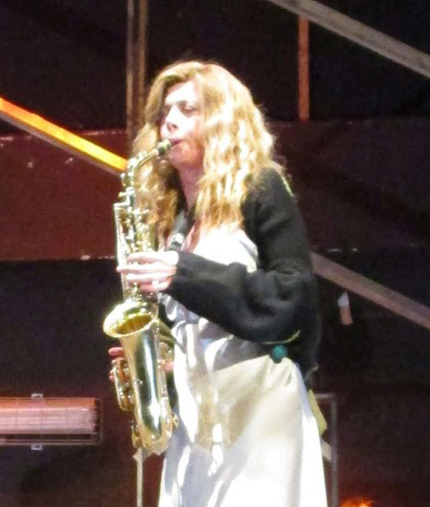
Career and specialties
Boccoli has focused largely on stage acting, taking on a wide range of parts across comedies, dramas and modern works. Her repertoire often includes both ensemble pieces and leading roles, and she has been involved in productions that emphasize text-driven theatre as well as more commercially oriented shows. Outside the theatre she has appeared in Italian film and television projects that brought her work to a broader audience.
Selected screen work
- Gli angeli di Borsellino (2003) — a film that addresses contemporary Italian history and public memory; more on this title.
- Valzer (2007) — a feature in which Boccoli participated among a wider ensemble of Italian cinema; reference.
- Pietralata (2008) — another film credit often cited in summaries of her screen work; details.
Artistic approach and reception
Observers note Boccoli's versatility and stage presence. Critics and audiences have tended to appreciate performers who sustain careers across different theatrical genres, and Boccoli's focus on live performance situates her among actors who prioritize stage craft. Her work is often described as professional and adaptable to both intimate dramatic pieces and larger, popular productions.
Personal life and connections
Benedicta Boccoli is part of a family with ties to the entertainment industry; her sister Brigitta Boccoli is also an actress. The two have been identified in media coverage as members of a performing family, although each has pursued an independent career. Beyond these family ties, Boccoli's public profile is defined mainly by her theatrical engagements rather than by a large number of leading film roles.
Legacy and context
Within the landscape of contemporary Italian theatre, Boccoli represents the type of career built on steady stage work supplemented by selective screen appearances. For readers interested in Italian theatre and film of the late 20th and early 21st centuries, her career offers an example of a performer whose primary identity remains that of a stage actor while maintaining visibility in cinema and television.
Related articles
Author
AlegsaOnline.com Benedicta Boccoli Leandro Alegsa
URL: https://en.alegsaonline.com/art/114951
Sources
- gratis.bloo.it : Benedicta Boccoli
- liquida.it : Il meglio di Benedicta Boccoli
- benedictaboccoli.it : benedictaboccoli.it/stampa.asp