
Ayaan Hirsi Ali: Somali-born Activist, Author, and Critic of Religious Practices
Ayaan Hirsi Ali (born 1969) is a Somali-born activist and author known for campaigning against female genital mutilation, critiquing political Islam, serving in Dutch politics, and founding a women's rights organization.
Overview
Ayaan Hirsi Ali is a Somali-born writer and activist who has been a prominent and polarizing voice on issues of women's rights, immigration and religion. Born in Somalia in 1969, she later sought refuge in the Netherlands, entered Dutch politics and became internationally known for her criticism of aspects of Islam and advocacy against female genital mutilation. She later moved to the United States and became a dual Dutch-American citizen.
Image gallery
6 Images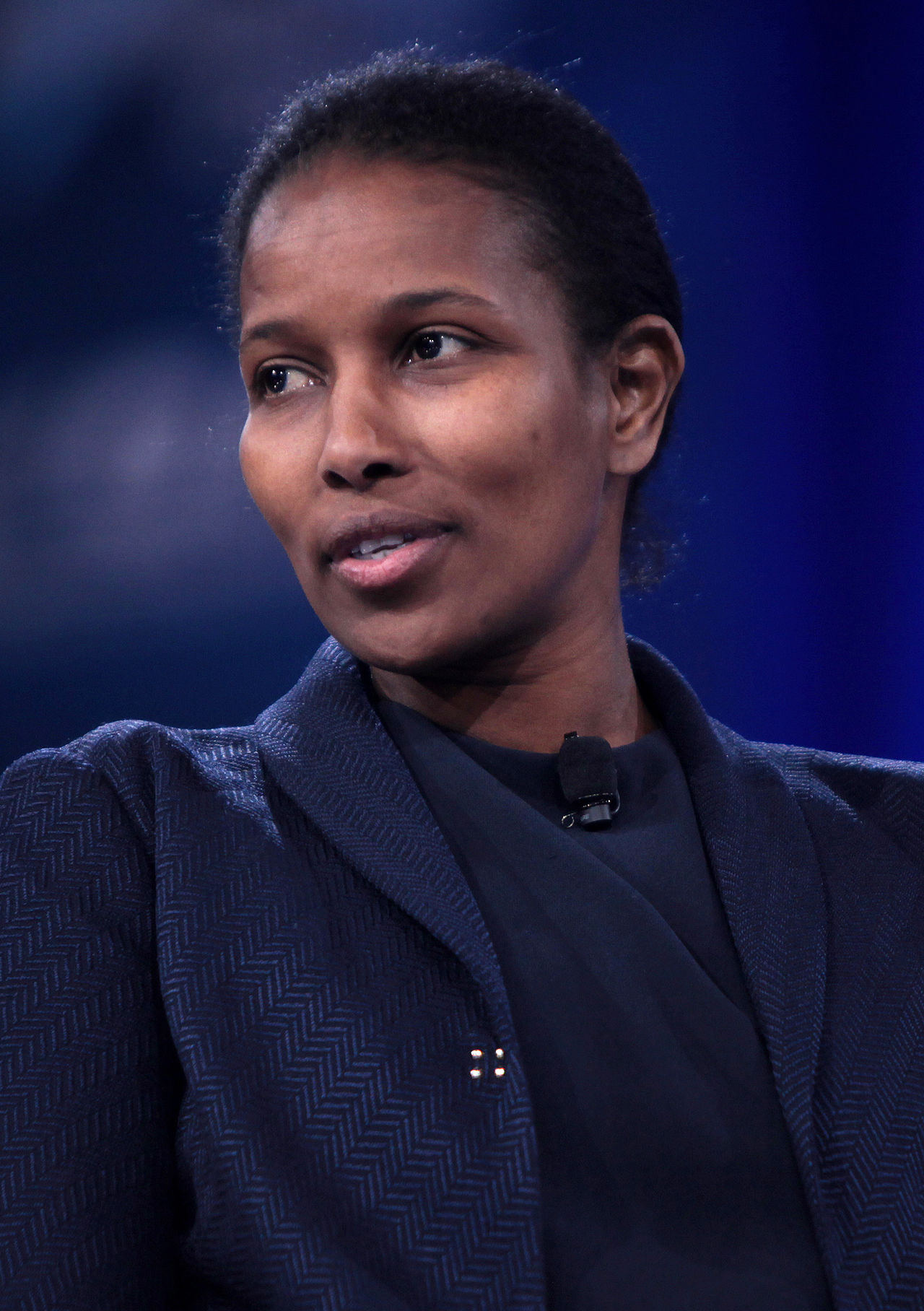


Early life and migration
Hirsi Ali grew up moving between countries in the Horn of Africa and the Arabian Peninsula. Her family background and childhood experiences—she has written openly about undergoing female genital mutilation and facing arranged marriage—shaped her later activism. In the early 1990s she relocated to the Netherlands where she claimed asylum and eventually became involved in public life.
Political career and controversies
In the Netherlands Hirsi Ali rose to national prominence as a member of parliament and a critic of religious conservatism. Her collaboration on a short film that criticized the treatment of women drew international attention after the film's director was murdered; Hirsi Ali received threats and lived under protection. Her outspoken commentary on religion and society has generated both support and strong criticism, and a controversy over aspects of her asylum application contributed to her resignation from parliament in 2006.
Activism, organizations and writing
Hirsi Ali founded organizations focused on protecting women from practices such as forced marriage, honor violence and FGM. She is the author of several widely read books, including a memoir and works calling for reform and debate about religious practices and secular values. Her public interventions mix personal testimony, policy proposals and cultural critique.
Reception and legacy
Supporters praise her courage in speaking about sensitive subjects and drawing attention to abuses against women. Critics question some of her generalizations about religion and politics and disagree with her policy prescriptions. She was named among Time magazine's 100 most influential people in 2005 and later became an American citizen in 2013. Her life and work continue to provoke debate about free speech, integration, and women's rights.
Notable facts
- Born in Somalia in 1969 and raised across several countries.
- Served in the Dutch parliament and later resigned amid controversy.
- Founder of a nonprofit focused on defending women from harmful practices.
- Author of bestselling books that combine memoir and polemic.
- Listed in Time's 100 most influential people (2005) and later gained U.S. citizenship.
- Married to historian and commentator Niall Ferguson and continues to write and speak internationally.
For further context on her positions and work, readers can consult profiles, her own publications and analyses from a range of political and academic perspectives. See also discussions of migration, gender-based violence and contemporary debates about religious reform for related topics.
Birthplace and early background • Campaigns against FGM • Critiques of Islam
Questions and answers
Q: Who is Ayaan Hirsi Ali?
A: Ayaan Hirsi Ali is a Dutch-American activist who was born in Somalia and is known for being critical of female genital mutilation and Islam.
Q: What is Ayaan Hirsi Ali's background?
A: Ayaan Hirsi Ali is the daughter of Somali politician Hirsi Magan Isse.
Q: What recognition did Ayaan Hirsi Ali receive in 2005?
A: Ayaan Hirsi Ali was in Time magazine's list of the 100 most influential people in the world in 2005.
Q: When did Ayaan Hirsi Ali become an American citizen?
A: Ayaan Hirsi Ali became an American citizen in 2013.
Q: Who is Ayaan Hirsi Ali married to?
A: Ayaan Hirsi Ali is married to British historian and public commentator Niall Ferguson.
Q: What is Ayaan Hirsi Ali critical of?
A: Ayaan Hirsi Ali is critical of female genital mutilation and Islam.
Q: What is Ayaan Hirsi Ali's profession?
A: The text does not mention Ayaan Hirsi Ali's current profession.
Related articles
Author
AlegsaOnline.com Ayaan Hirsi Ali: Somali-born Activist, Author, and Critic of Religious Practices Leandro Alegsa
URL: https://en.alegsaonline.com/art/114760
Sources
- parlement.com : Bio at Parlement.com
- thedailybeast.com : www.thedailybeast.com
- Ayaan Hirsi Ali