
Ayman al‑Zawahiri: Egyptian Islamist Militant and al‑Qaeda Leader
Overview of Ayman al‑Zawahiri (1951–2022), his background as an Egyptian physician, leadership of al‑Qaeda, affiliations, legal designation, and death in 2022.
Overview
Ayman al‑Zawahiri (19 June 1951 – 31 July 2022) was an Egyptian-born physician who became a prominent Islamist militant and the leader of the al‑Qaeda network. He rose through the ranks of organized extremist movements to become a primary ideologue and strategist for transnational violent Islamist activity. Many governments and international bodies designated him as a terrorist and placed sanctions on him during his lifetime. For background on his nationality see Egyptian sources and for his association with the organization see al‑Qaeda records.
Image gallery
4 Images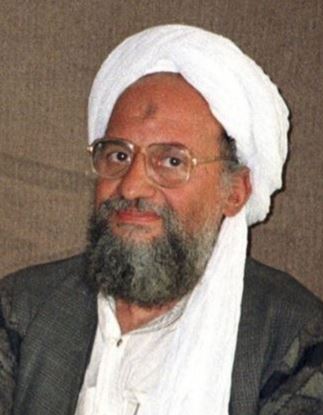


Early life and development
Trained as a medical doctor, al‑Zawahiri’s early political activity was rooted in Islamist opposition groups in Egypt. During the 1970s and 1980s he became involved with networks that rejected secular governance and sought to establish states governed by their interpretation of Islamic law. Over time his focus shifted from national activism to global jihad, a transition that mirrored broader changes among militant Islamist movements at the end of the Cold War and into the 1990s.
Affiliations and role
Al‑Zawahiri was a founding member of or closely linked to militant groups that operated in multiple regions. These networks carried out or supported attacks across continents and influenced local affiliates and cells in North America, Asia, Africa and the Middle East; see regional reporting for North America (North America), Asia (Asia), Africa (Africa) and the Middle East (Middle East). He later merged his Egyptian network with al‑Qaeda and became a principal deputy and public voice for the organization, often issuing statements and calls to action. In 2012 he publicly encouraged kidnappings of Western tourists in some countries, an appeal noted by international observers and media (Western tourists).
Legal status and international response
Following major terrorist attacks at the end of the twentieth and start of the twenty‑first centuries, al‑Zawahiri was indicted, sanctioned and placed on wanted lists by numerous states. After the September 11 attacks in 2001 (September 11 attacks), he was among those most sought by counterterrorism authorities. The U.S. government at one point offered a reward for information leading to his arrest, and United Nations sanctions committees listed him as an affiliate of designated extremist organizations. Such measures reflected international attempts to disrupt financing, travel and communications linked to his activities.
Death and legacy
Al‑Zawahiri succeeded Osama bin Laden as al‑Qaeda’s leader after bin Laden’s death in 2011. He remained a symbolic and operational figure for supporters of the group until his own death in 2022. His life and activity influenced the evolution of several militant groups, the strategic framing of violent Islamist propaganda, and international counterterrorism policy. Analysts continue to study his writings and recorded statements to understand the group’s ideology and organizational shifts.
Key points
- Professionally trained as a medical doctor before entering full‑time militant activity.
- Leader and ideologue associated with al‑Qaeda, shaping messaging and strategy.
- Linked to operations and networks across multiple regions, prompting global sanctions and indictments.
- Subject of international law‑enforcement and counterterrorism actions until his death, which marked a significant moment in the organization’s history.
For further reading and primary documents, consult official statements and academic analyses that trace the group’s development and the international response to violent extremism. Relevant links above provide starting points for region‑specific reporting and organizational context.
Questions and answers
Q: Who was Ayman Mohammed Rabie al-Zawahiri?
A: Ayman Mohammed Rabie al-Zawahiri was an Egyptian terrorist and the leader of the militant Islamist organization al-Qaeda.
Q: What kind of activities was Ayman al-Zawahiri involved in?
A: Ayman al-Zawahiri was a member of Islamist organizations which have organized and carried out attacks in North America, Asia, Africa and the Middle East.
Q: What did Ayman al-Zawahiri call on fellow Muslims to do in 2012?
A: In 2012, Ayman al-Zawahiri called on fellow Muslims to kidnap western tourists in Muslim countries.
Q: How much did the US State Department offer as a reward for information leading to Ayman al-Zawahiri's arrest?
A: The U.S. State Department offered a US$25 million reward for information leading to Ayman al-Zawahiri's arrest.
Q: Was Ayman al-Zawahiri sanctioned by the United Nations Security Council 1267 Committee?
A: Yes, Ayman al-Zawahiri was under worldwide sanctions by the United Nations Security Council 1267 Committee as a member or affiliate of al-Qaeda.
Q: In what areas were the attacks carried out by the Islamist organizations Ayman al-Zawahiri was involved in?
A: The Islamist organizations Ayman al-Zawahiri was involved in carried out attacks in North America, Asia, Africa and the Middle East.
Q: When did Ayman al-Zawahiri pass away?
A: Ayman Mohammed Rabie al-Zawahiri passed away on July 31, 2022.
Related articles
Author
AlegsaOnline.com Ayman al‑Zawahiri: Egyptian Islamist Militant and al‑Qaeda Leader Leandro Alegsa
URL: https://en.alegsaonline.com/art/114767
Sources
- bbc.com : "Al-Qaeda's remaining leaders"
- biography.com : "Ayman al Zawahiri"
- fbi.gov : "AYMAN AL-ZAWAHIRI"
- bbc.com : "Zawahiri 'becomes al-Qaeda chief'"
- cnn.com : "Al Qaeda leader calls for kidnapping of Westerners"
- edition.cnn.com : "CNN Programs - People in the News"
- un.org : "UN list of affiliates of al-Qaeda and the Taliban"
- tribune.com.pk : "Succession to throne: Ayman al Zawahiri named head of al Qaeda"
- memri.org : "Al-Qaeda Deputy Head Ayman Al-Zawahiri in Audio Recording: Musharraf Accepted Israel's Existence"
- telegraph.co.uk : "Al-Qa'eda chief Ayman Zawahiri attacks Pakistan's Pervez Musharraf in video"