
Andrei Tarkovsky: Soviet director and poet of cinema
Andrei Tarkovsky (1932–1986) was a Soviet filmmaker, screenwriter and stage director known for meditative, spiritual films such as Andrei Rublev, Solaris and Stalker and for his distinctive long takes.
Andrei Tarkovsky was a Soviet film director, screenwriter and stage/opera director whose work reshaped art cinema in the second half of the 20th century. Active from the early 1960s until his death in 1986, Tarkovsky combined literary, religious and philosophical concerns with a cinematic language built around long takes, deliberate pacing and richly composed images. His films are frequently described as poetic rather than plot-driven and continue to provoke study and admiration worldwide.
Image gallery
3 Images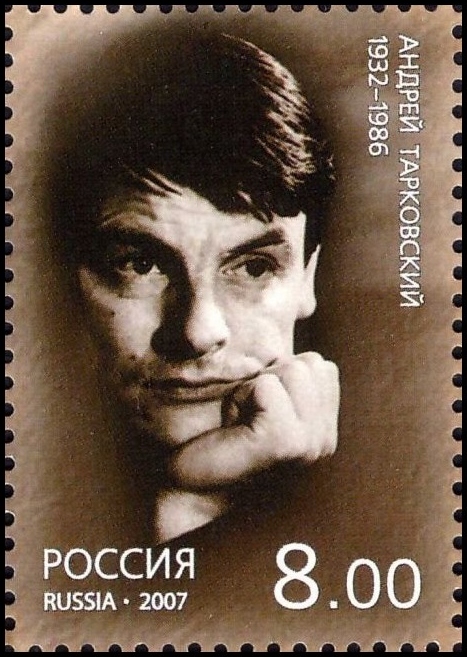


Style and recurring themes
Tarkovsky’s films are noted for their contemplative tempo, extended uninterrupted shots, and careful use of natural elements such as water, fire, wind and earth as symbolic motifs. Memory, faith, artistic vocation, human suffering and the search for transcendence recur across his work. Soundscapes and silence are used as expressive tools; scenes often linger to allow viewers to inhabit psychological and metaphysical space rather than follow conventional narrative momentum.
Major films
- Ivan’s Childhood (early breakthrough that announced his voice in feature cinema)
- Andrei Rublev (a historical meditation on the artist and faith)
- Solaris (a philosophical science‑fiction adaptation exploring memory and grief)
- Mirror (an associative, autobiographical film blending memory and history)
- Stalker (a metaphysical journey set around a forbidden zone)
- Nostalghia and The Sacrifice (films made while working outside the Soviet Union)
Life and career
Born in 1932 into a cultural family (his father was the poet Arseny Tarkovsky), he studied film direction at VGIK and emerged as a distinctive voice in the Soviet film community. He often clashed with official censorship because of his unconventional forms and ambiguous spiritual content. In the later part of his career he worked abroad and made his final films outside the USSR, where he continued to refine his aesthetic until his death in 1986.
Influence and legacy
Tarkovsky’s approach to cinematic time and image influenced generations of filmmakers, cinematographers and critics. His films are the subject of academic study and retrospectives and have inspired diverse directors who cite his formal rigor and moral seriousness. Scholarship around Tarkovsky often debates his philosophical and religious concerns and the ways his formal choices shape viewers’ experience. For an introductory overview and curated resources see further reading and film listings.
Related articles
Author
AlegsaOnline.com Andrei Tarkovsky: Soviet director and poet of cinema Leandro Alegsa
URL: https://en.alegsaonline.com/art/114098
Sources
- Category:Andrej Tarkovskij
- theyshootpictures.com : "The 1,000 Greatest Films: the Top 100 Directors"