
Bight of Benin
Shallow bay on the Gulf of Guinea coast of West Africa, historically part of the Slave Coast and named for the Benin Empire; important for regional geography, history, and maritime activity.
The Bight of Benin is a broad, curved indentation of the West African shoreline that forms part of the eastern section of the Gulf of Guinea. It lies along the coasts of present-day eastern Ghana, Togo, Benin and southwestern Nigeria. The name derives from the historic Benin Empire and the modern Republic of Benin; the area has been a significant maritime and cultural zone for centuries.
Image gallery
5 Images


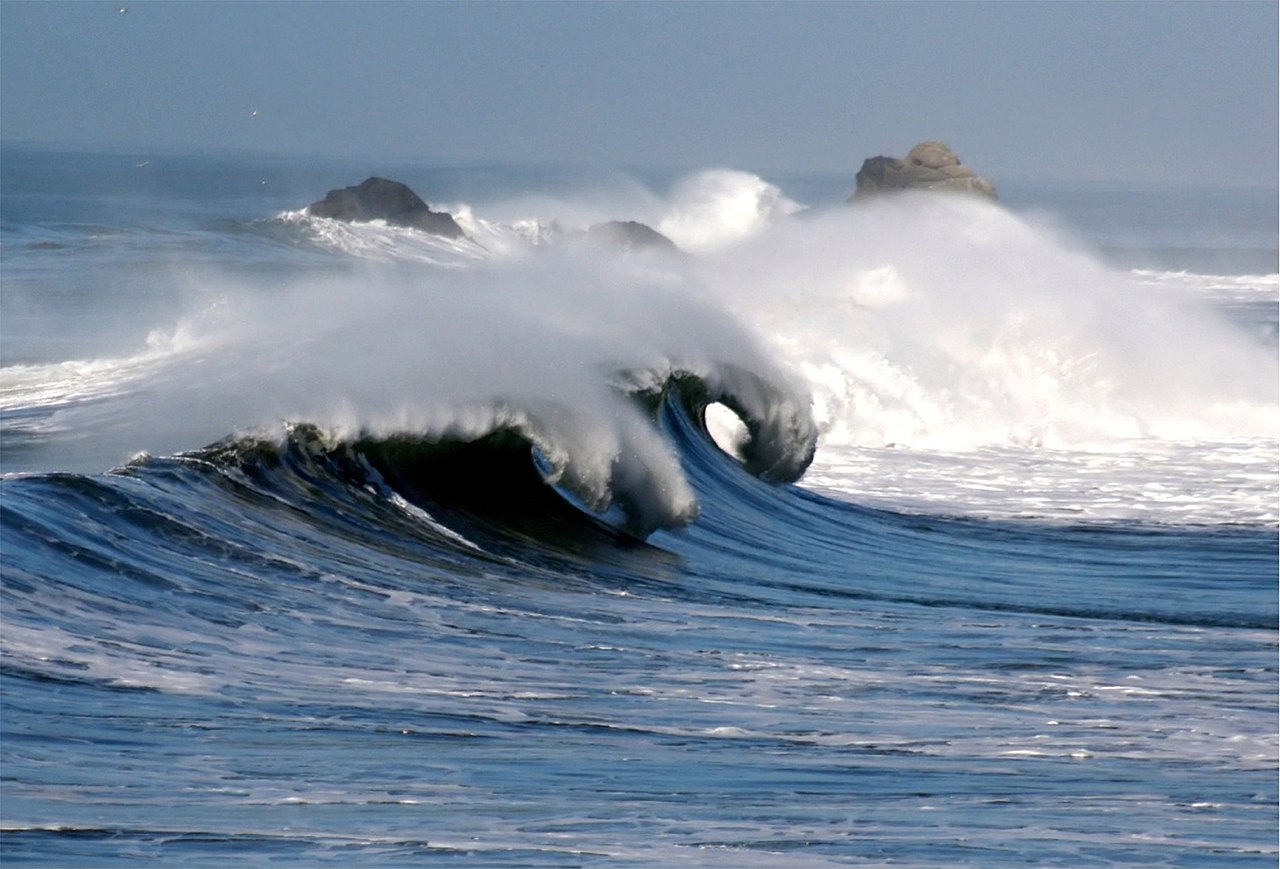

Geography and physical characteristics
The bight is a relatively shallow coastal expanse rather than a narrow gulf, with a coastline of lagoons, estuaries and river mouths including several seasonal deltas. Currents and seasonal winds influence navigation and local fisheries. Coastal ecosystems include mangroves and wetlands that support fish nurseries and migratory birds. Human settlements range from fishing villages to larger port towns that handle regional trade.
Historical significance
From the late 15th century onward the Bight of Benin formed a core part of what European traders called the Slave Coast. Coastal forts, trading posts and caravan routes connected inland polities to Atlantic commerce. The region was involved in long-distance trade in people, goods and ideas, and it was linked to the rise and fall of local powers such as the Benin Empire. The historical legacy of that period has had lasting cultural and demographic effects in West Africa and across the Atlantic world.
Modern economy and environment
Today the Bight of Benin remains important for fishing, small-scale trade and increasingly for offshore petroleum exploration in the wider Gulf of Guinea. Coastal development, port activity, pollution and erosion present environmental challenges. International and regional efforts seek to manage fisheries sustainably and protect mangroves while supporting livelihoods.
Notable distinctions and facts
- The bight is distinct from neighboring bays such as the Bight of Biafra to the east; it is identified by its historical ties to the Benin polity.
- Navigation in the area can be affected by shifting sandbars, seasonal currents and a tropical climate.
- Coordinates commonly given for a central point are recorded on navigational charts; see a general location reference at map coordinates.
Because of its combination of natural resources, strategic maritime position and complex history, the Bight of Benin figures prominently in studies of West African geography, colonial history, and contemporary coastal development.
Related articles
Author
AlegsaOnline.com Bight of Benin Leandro Alegsa
URL: https://en.alegsaonline.com/art/11392